
- Home page
- buying guide
- AC motor
AC motor
AC motor: A technical guide
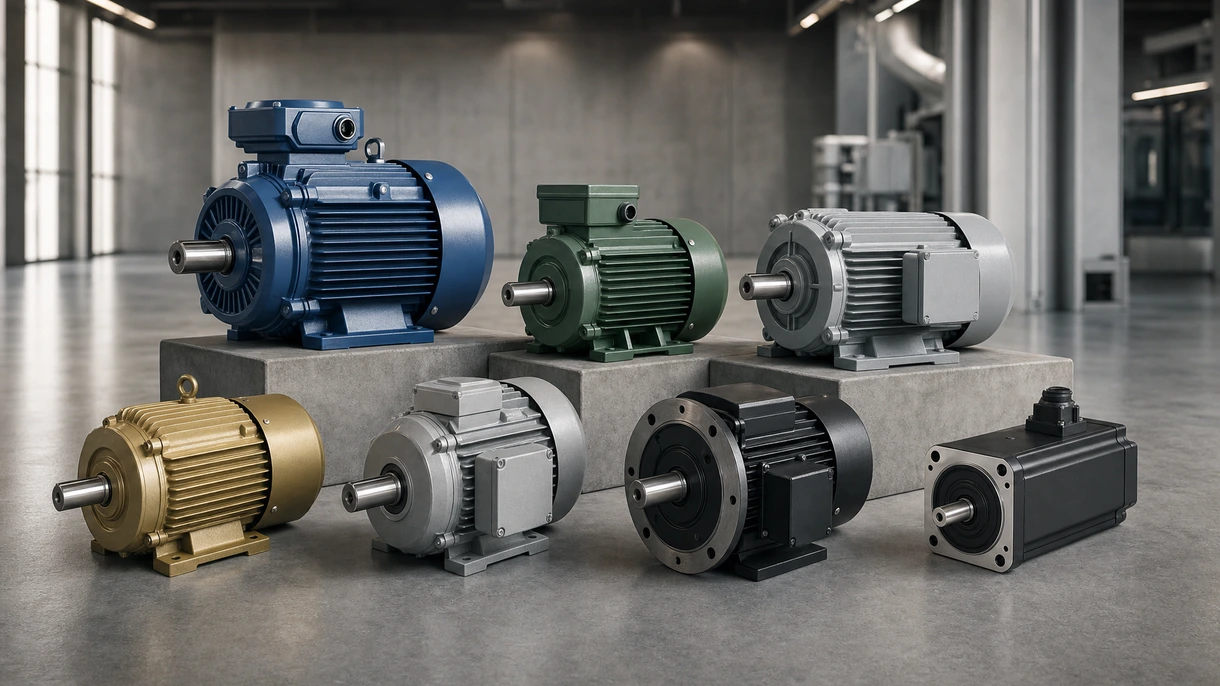
4 Criteria to choose your AC motor
Energy Efficiency Class
High efficiency motors reduce total cost of ownership through significant energy savings during continuous high load industrial production cycles.
Nominal Torque Output
Accurate alignment of starting torque with load requirements prevents mechanical failure and ensures operational stability under heavy stress.
Ingress Protection Level
Robust housing certifications protect internal windings from corrosive dust, moisture, and chemical exposure in harsh manufacturing environments.
Thermal Management Capability
Integrated temperature sensors and cooling mechanisms prevent premature insulation breakdown, extending the operational lifespan of the drive system.
Available technologies and advantages
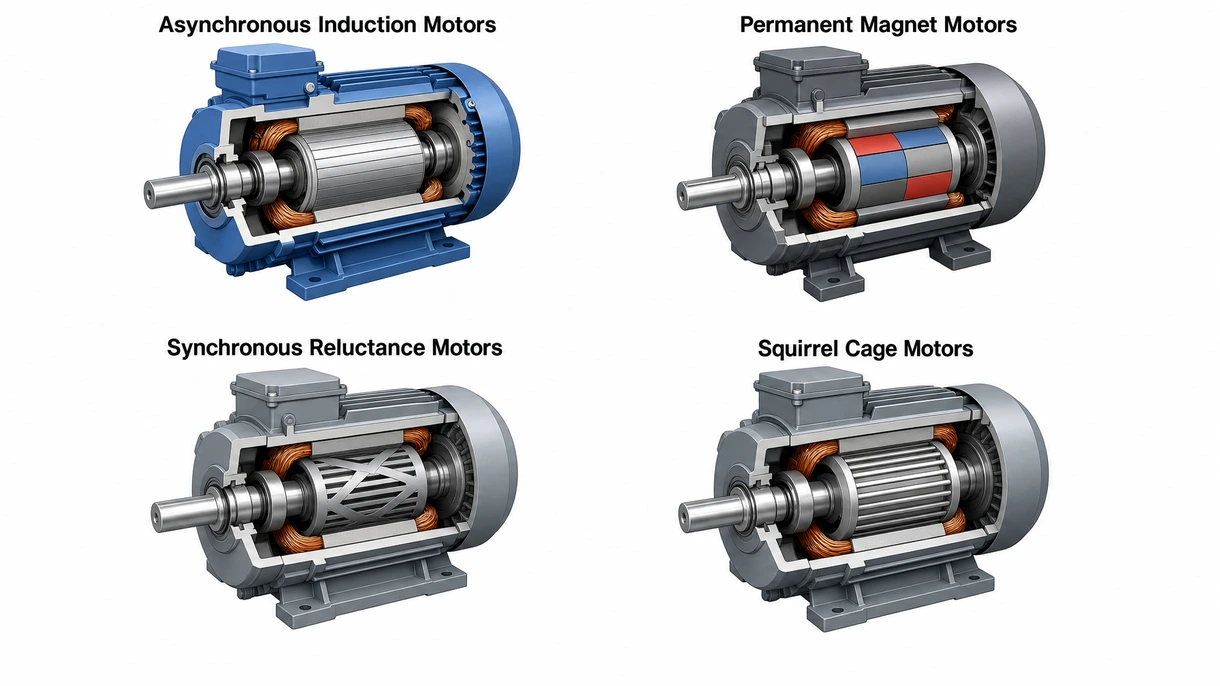
Asynchronous Induction Motors
These units offer superior reliability and lower maintenance costs compared to synchronous types, although they exhibit inherent slip and lower efficiency.
Permanent Magnet Motors
These systems provide exceptionally high power density and peak efficiency across variable speeds, requiring sophisticated electronic controllers for precise process operation.
Synchronous Reluctance Motors
This technology utilizes high efficiency rotor designs without permanent magnets, combining the simplicity of induction motors with performance levels near maximum standards.
Squirrel Cage Motors
These components deliver a robust and cost effective solution for constant speed applications, featuring a simple design that withstands high mechanical stress.
6 expert tips
Prioritize premium efficiency motor classes to minimize long term energy expenditure and comply with evolving international carbon regulations.
Verify compatibility with variable frequency drives to ensure precise speed control and reduce mechanical wear during startup phases.
Evaluate the total cost of ownership by calculating maintenance intervals against the initial acquisition price of high performance units.
Assess bearing insulation requirements to prevent electrical discharge damage when operating motors on high frequency pulse width modulation drives.
Select appropriate frame materials like cast iron for heavy duty vibration dampening or aluminum for weight sensitive robotic applications.
Always verify the technical certification to ensure compliance with local building safety standards and long-term durability.
Innovations and Trends
Integrated modules monitor vibration and temperature to reduce unplanned downtime by identifying potential mechanical failures early.
Rare earth free designs utilize innovative alloy compositions to achieve high efficiency while mitigating significant supply chain risks.
Combined motor and drive units reduce control cabinet space requirements while simplifying electrical installation and commissioning processes.
Software simulations allow engineers to model motor performance in complex systems to optimize overall energy consumption.
*Prices are pre-tax. They exclude delivery charges and customs duties and do not include additional charges for installation or activation options. Prices are indicative only and may vary by country, with changes to the cost of raw materials and exchange rates.
About DirectIndustry
DirectIndustry is a marketplace that offers B2B players a complete experience, from product sourcing to purchase. DirectIndustry is an entity of VirtualExpo Group.
Are you a buyer?
Are you a supplier?
About Us
- VirtualExpo Group
- Our Partners
- Recruitment
- Testimonials