
- Home page
- buying guide
- linear actuator
linear actuator
linear actuator: A technical guide
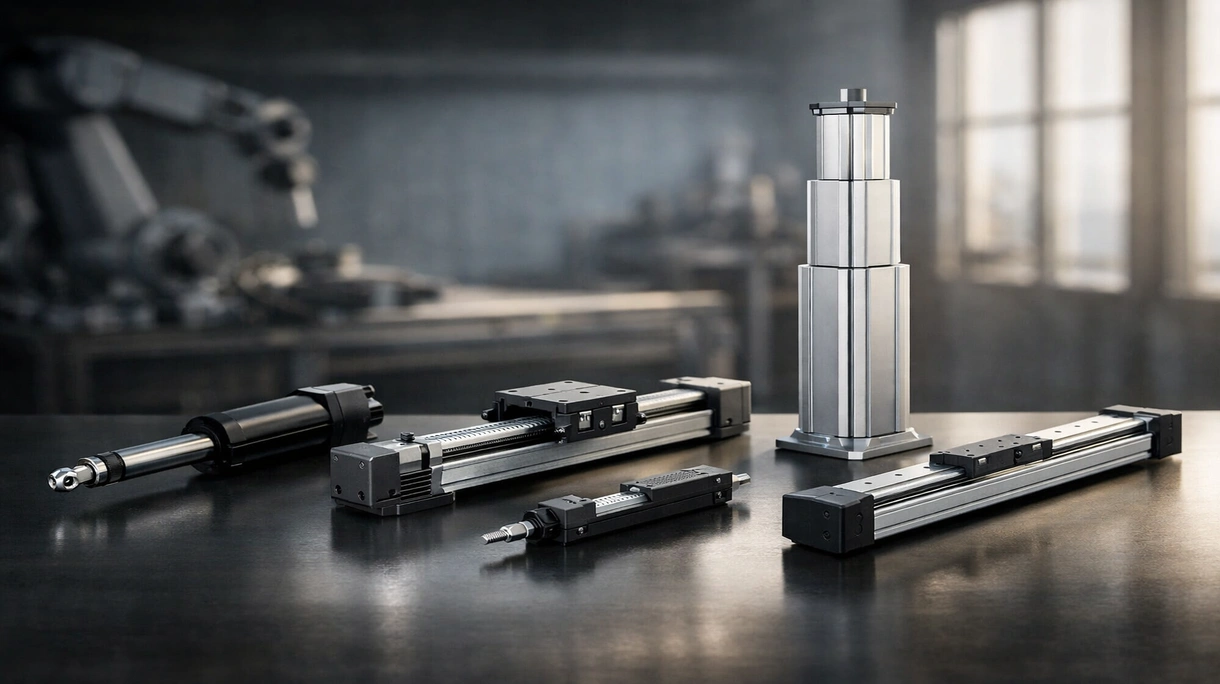
4 Criteria to choose your linear actuator
Dynamic Load Capacity
Determining the maximum force required during movement ensures the drive mechanism handles peak operational stresses without mechanical fatigue.
Positioning Accuracy Repeatability
High precision requirements in automation demand minimal backlash and tight tolerances to maintain consistent cycles in manufacturing environments.
Duty Cycle Limits
Calculating the ratio of operating time to rest prevents overheating and premature failure in high-frequency production line applications.
Environmental Protection Rating
Industrial settings require specific IP ratings to withstand dust, moisture, or washdown procedures common in heavy machinery operation.
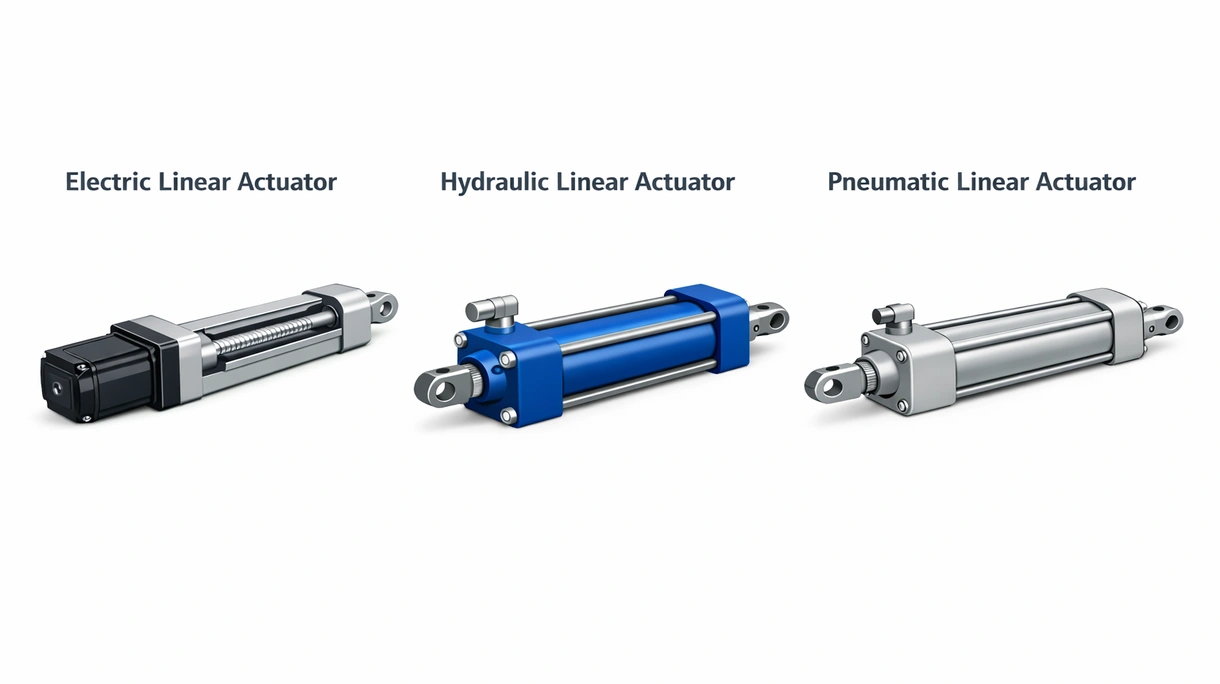
Available technologies and advantages
Electric Linear Actuators
Mechanical units using motor-driven screws provide precise control and energy efficiency. They offer superior repeatability despite higher costs and thermal limits in heavy duty cycles.
Hydraulic Linear Actuators
Fluid-powered cylinders generate massive force density via pressurized oil. These systems provide unmatched power for heavy lifting but risk environmental leaks and require extensive maintenance infrastructure.
Pneumatic Linear Actuators
Compressed air systems enable rapid movement for simple positioning. They are cost-effective and durable but lack precision and exhibit lower efficiency compared to electric alternatives.
6 expert tips
Prioritize total cost of ownership by evaluating energy consumption and maintenance frequency against the initial purchase price of systems.
Specify integrated sensors for real-time feedback to enable predictive maintenance and reduce unplanned downtime in critical production workflows.
Always verify the technical certification to ensure compliance with local building safety standards and long-term durability.
Conduct thorough thermal modeling to ensure the selected drive technology handles the heat dissipation requirements of specific duty cycles.
Evaluate the compatibility of mounting accessories to ensure mechanical alignment and prevent side-loading forces from damaging the internal drive.
Select modular designs to allow for rapid component replacement and minimize spare parts inventory across different machine generations.
Innovations and Trends
Embedded IO-Link technology provides real-time diagnostic data to optimize cycle times and predict mechanical wear before failure occurs.
Advanced high-torque motors are replacing hydraulic systems to improve precision and eliminate the risk of environmental oil contamination.
Manufacturers are utilizing lightweight, recycled alloys to reduce moving mass and decrease the overall carbon footprint of machinery.
Decentralized processing units allow actuators to make autonomous positioning adjustments, significantly reducing latency in complex robotic cell interactions.
*Prices are pre-tax. They exclude delivery charges and customs duties and do not include additional charges for installation or activation options. Prices are indicative only and may vary by country, with changes to the cost of raw materials and exchange rates.
About DirectIndustry
DirectIndustry is a marketplace that offers B2B players a complete experience, from product sourcing to purchase. DirectIndustry is an entity of VirtualExpo Group.
Are you a buyer?
Are you a supplier?
About Us
- VirtualExpo Group
- Our Partners
- Recruitment
- Testimonials