
- Home page
- buying guide
- knife gate valve
knife gate valve
knife gate valve: A technical guide
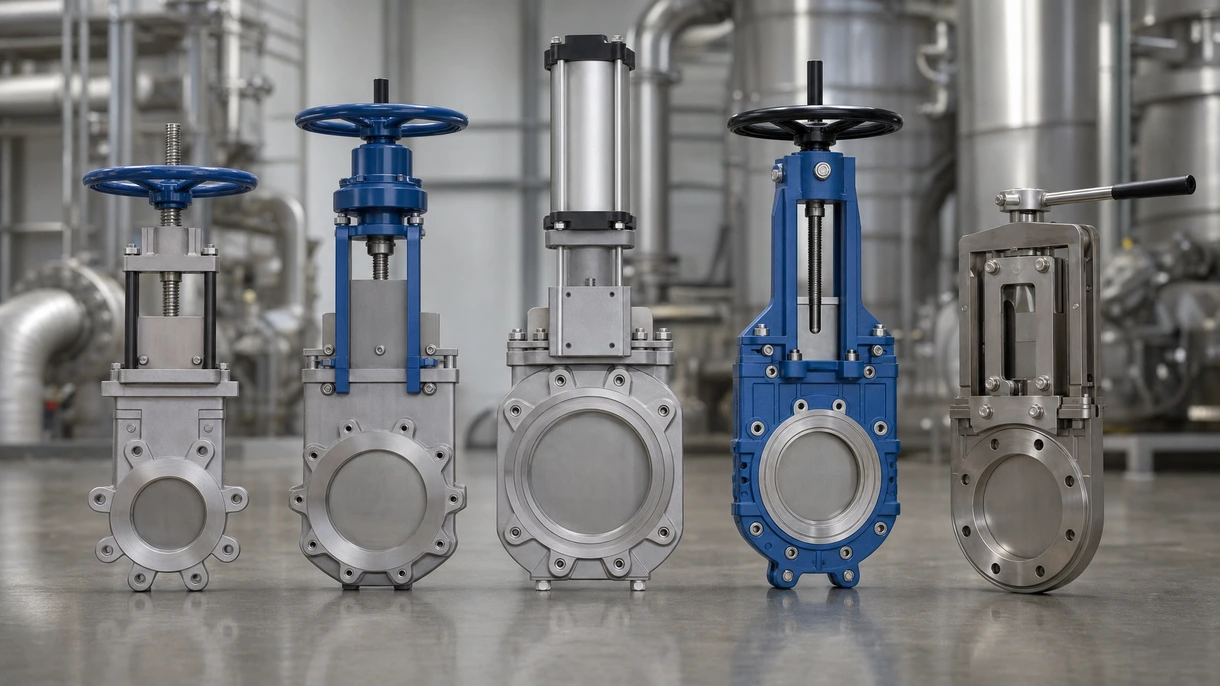
4 Criteria to choose your knife gate valve
Slurry and Solid Handling
Knife gates must shear through thick media or dry solids without clogging the internal cavity to maintain flow integrity.
Seating and Tightness Grade
Selecting between resilient or metal seats determines the bubble-tight shutoff capability and resistance to abrasive wear in harsh cycles.
Material Chemical Compatibility
Alloy selection for the gate and body prevents galvanic corrosion and premature failure when handling acidic or alkaline industrial fluids.
Actuation and Response Time
Automated systems require specific pneumatic or electric torque ratings to overcome friction from solids during high-pressure opening and closing sequences.
Available technologies and advantages
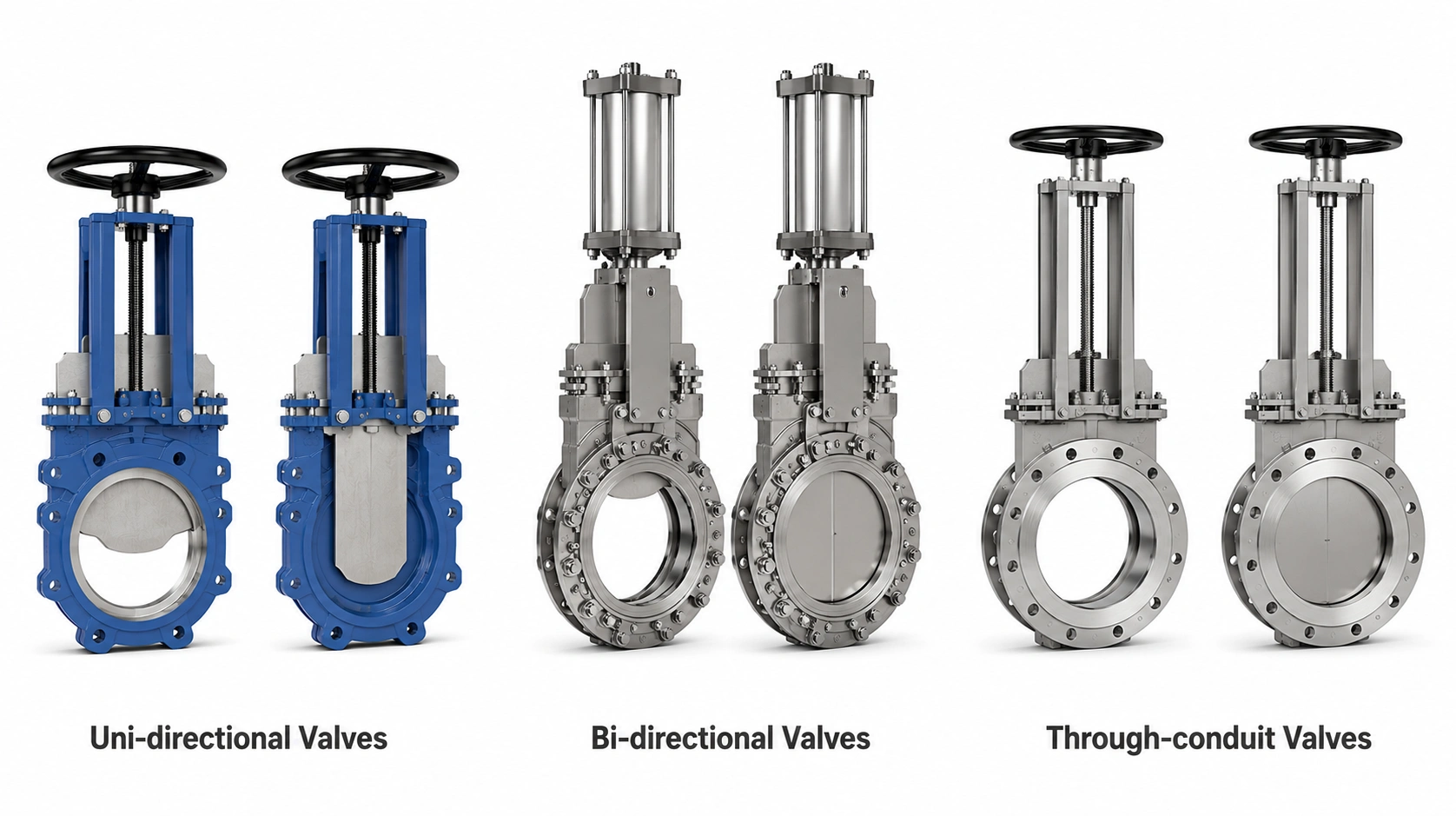
Uni-directional Valves
Compared to standard models, these utilize line pressure to push the gate against the resilient seat for tight single direction shutoff. These offer cost-effective isolation for standard slurries but fail if backflow occurs or if the pressure reverses significantly during operation.
Bi-directional Valves
Compared to standard models, these incorporate dual seats to provide tight shutoff regardless of pressure direction within complex piping systems. They are excellent for complex loops but require higher maintenance and more robust actuation due to increased seal surface friction.
Through-conduit Valves
Distinguished by a gate opening matching the pipe bore, these eliminate the turbulence and cavity accumulation found in standard valve designs. These are ideal for high-density pulp flows though they require a larger footprint to accommodate the extended gate travel.
6 expert tips
Prioritize stainless steel gates with polished finishes to minimize friction and prevent material buildup during high-frequency cycling operations.
Specify reinforced perimeter seats for abrasive applications to extend the operational lifespan and reduce the frequency of maintenance shutdowns.
Always verify the technical certification to ensure compliance with local building safety standards and long-term durability.
Select pneumatic actuators with integrated manual overrides to ensure emergency operation during power failures or control system malfunctions.
Evaluate the overall financial impact by including seat replacement kits and specialized packing within the initial procurement budget.
Implement proximity sensors on the valve yoke to provide real-time feedback to the controller regarding the exact gate position.
Innovations and Trends
Provide predictive maintenance data by analyzing gate friction trends and alerting operators before mechanical failure occurs in production.
Applied to the gate edge significantly increase abrasion resistance in mining and heavy industrial slurry applications.
Eliminates packing gland leaks by utilizing high-performance elastomers that provide a permanent seal against the atmosphere.
Reduce environmental impact by preventing product stagnation and minimizing the volume of flushing water required between batches.
*Prices are pre-tax. They exclude delivery charges and customs duties and do not include additional charges for installation or activation options. Prices are indicative only and may vary by country, with changes to the cost of raw materials and exchange rates.
About DirectIndustry
DirectIndustry is a marketplace that offers B2B players a complete experience, from product sourcing to purchase. DirectIndustry is an entity of VirtualExpo Group.
Are you a buyer?
Are you a supplier?