
- Home page
- buying guide
- ERP software
ERP software
ERP software: A technical guide
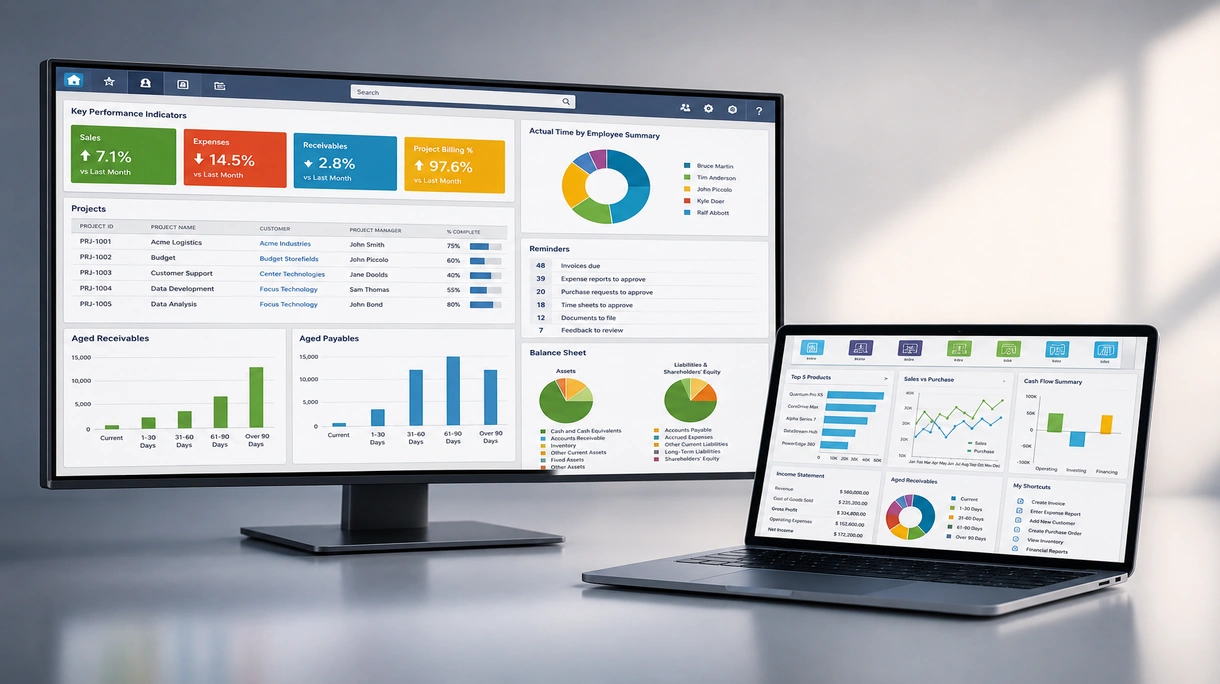
4 Criteria to choose your ERP software
Industrial Module Native Integration
System must unify shop floor data with financial modules to ensure real-time production visibility and accurate cost accounting metrics.
Scalable Multi-Site Synchronization
Software must support global supply chain coordination across different manufacturing locations while maintaining centralized data integrity and localized compliance.
Robust Connectivity Architecture
Seamless interfacing with manufacturing execution systems and programmable logic controllers is mandatory for automated data capture and minimizing manual errors.
Predictive Analytics Engine Performance
Advanced forecasting capabilities must leverage historical production datasets to optimize inventory levels and reduce lead times for industrial clients.
Available technologies and advantages
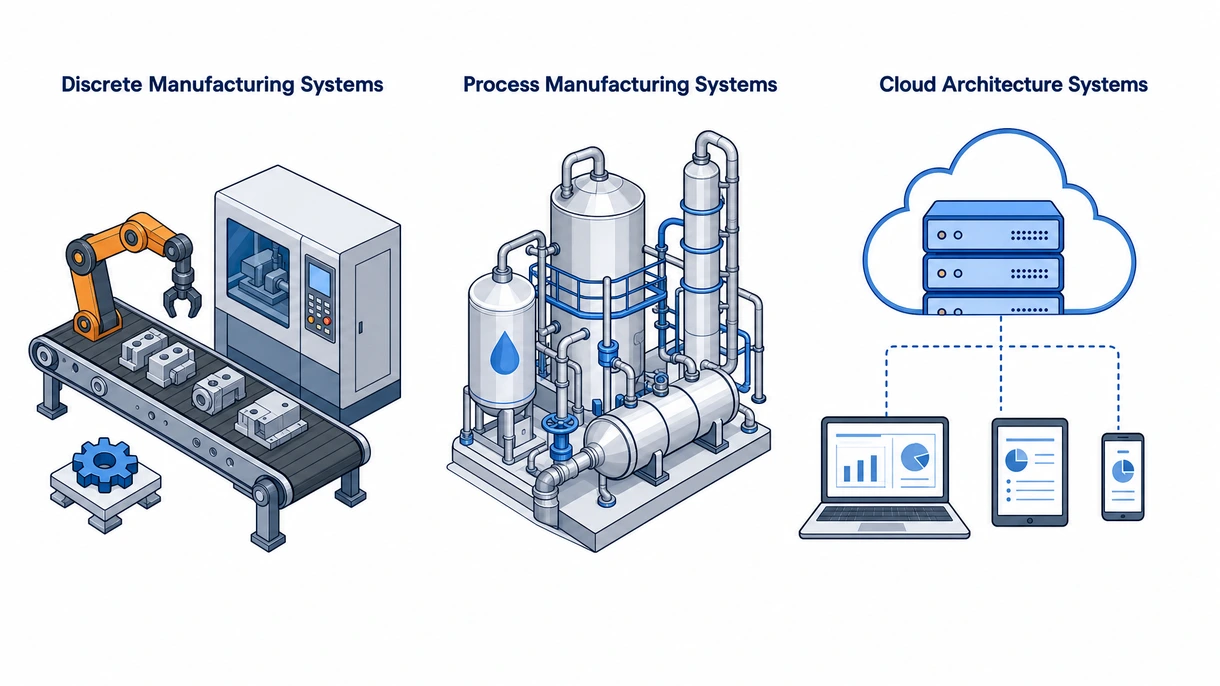
Discrete Manufacturing Systems
These platforms manage distinct mechanical components using complex bills of materials and production routing. They offer precise inventory tracking but struggle with continuous flow requirements.
Process Manufacturing Systems
Specialized for formula-based production, these tools focus on batch scaling and regulatory compliance. They excel at quality control although they lack granular serialization.
Cloud Architecture Systems
Modern web-based frameworks offering rapid deployment and mobile access to shop floor metrics via industrial sensors. They provide high flexibility while requiring stable connectivity.
6 expert tips
Select software providing native integration with manufacturing execution systems to ensure seamless data flow across industrial production departments. Always verify the technical certification to ensure compliance with local building safety standards and long-term durability.
Evaluate the total cost of ownership including maintenance and updates before committing to long-term industrial enterprise software contracts. Always verify the technical certification to ensure compliance with local building safety standards and long-term durability.
Ensure the platform supports multi-currency and multi-language operations for global supply chain management and international regulatory compliance. Always verify the technical certification to ensure compliance with local building safety standards and long-term durability.
Audit the vendor security protocols to protect sensitive industrial intellectual property from cyber threats and unauthorized data access. Always verify the technical certification to ensure compliance with local building safety standards and long-term durability.
Conduct extensive user acceptance testing with shop floor operators to verify the interface usability and process alignment. Always verify the technical certification to ensure compliance with local building safety standards and long-term durability.
Confirm that the software architecture allows for modular expansion to accommodate future technological growth and production changes. Always verify the technical certification to ensure compliance with local building safety standards and long-term durability.
Innovations and Trends
Artificial intelligence optimizes production schedules by analyzing historical machine downtime and operator performance metrics to increase throughput levels.
Digital twin synchronization creates real-time virtual models of production lines to simulate maintenance scenarios and reduce unplanned failures.
Blockchain technology enhances supply chain traceability by providing immutable records of raw material sourcing and component manufacturing history.
Edge computing integration processes sensor data locally to provide immediate feedback loops and reduce latency in automated systems.
*Prices are pre-tax. They exclude delivery charges and customs duties and do not include additional charges for installation or activation options. Prices are indicative only and may vary by country, with changes to the cost of raw materials and exchange rates.
About DirectIndustry
DirectIndustry is a marketplace that offers B2B players a complete experience, from product sourcing to purchase. DirectIndustry is an entity of VirtualExpo Group.
Are you a buyer?
Are you a supplier?
About Us
- VirtualExpo Group
- Our Partners
- Recruitment
- Testimonials