
- Home page
- buying guide
- heat treatment oven
heat treatment oven
heat treatment oven: A technical guide
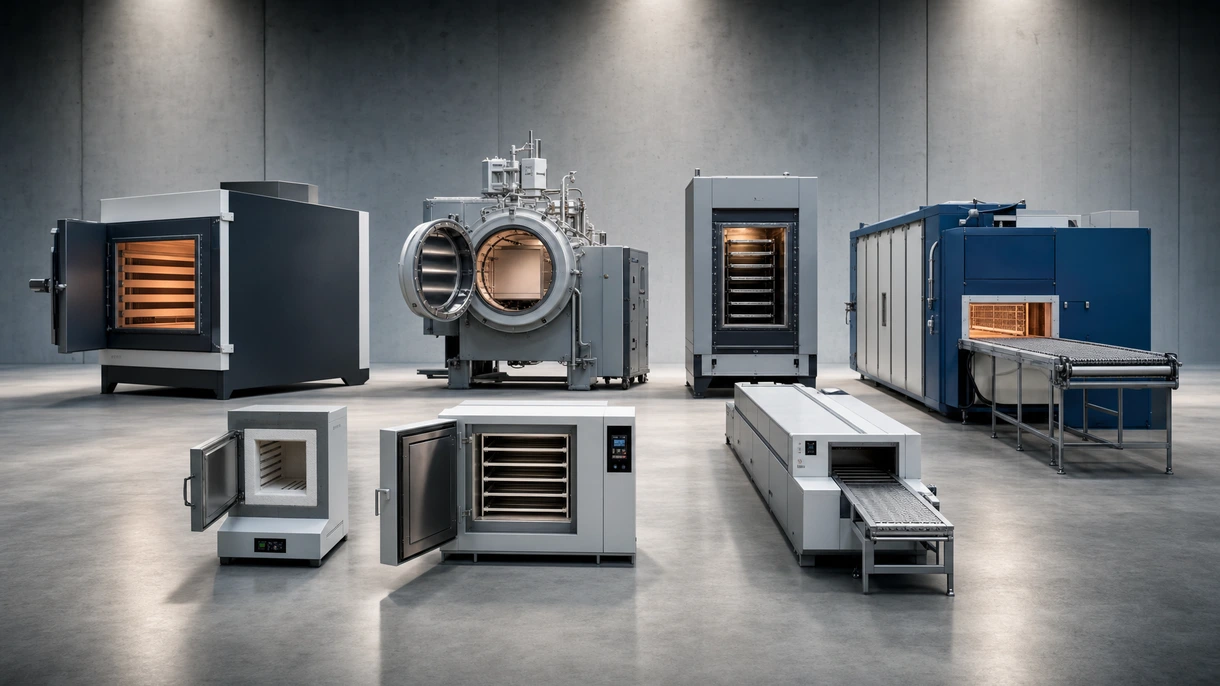
4 Criteria to choose your heat treatment oven
Thermal uniformity range
Precise temperature distribution across the work zone ensures consistent metallurgical properties and prevents localized stress or part deformation during processing.
High-speed cooling capacity
Rapid gas quenching systems enable specific martensitic transformations and reduce total cycle times for high-volume industrial automotive component manufacturing.
Atmospheric control precision
Maintaining oxygen-free environments prevents surface oxidation and decarburization, ensuring high-quality finishes for critical aerospace and heavy machinery components.
Energy efficiency rating
Advanced insulation materials and recuperative burners significantly lower operational costs while meeting stringent European and American environmental standards.
Available technologies and advantages
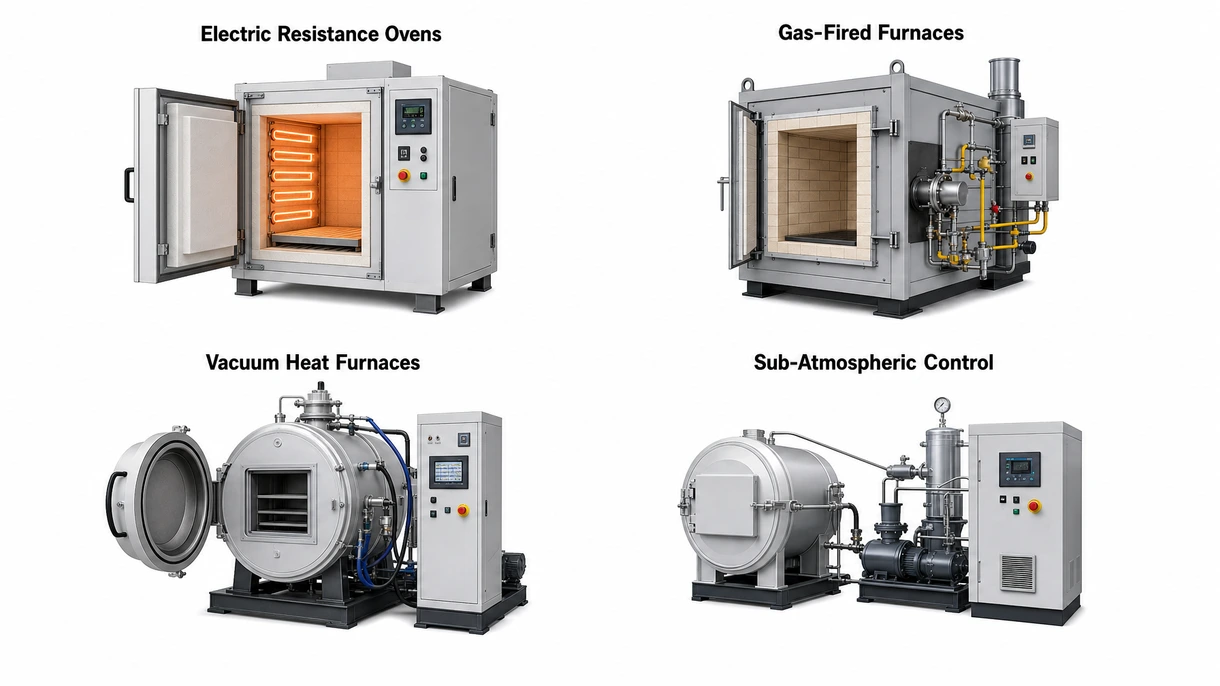
Electric Resistance Ovens
These systems utilize metallic or ceramic heating elements to provide clean, precise temperature control suitable for tempering and annealing processes across various industrial sectors.
Operational Performance
They offer superior temperature stability and lower emissions but involve higher electricity costs and slower heating ramps than direct combustion systems.
Gas-Fired Furnaces
Direct or indirect burner systems provide high energy density for heavy-duty forging and large-scale industrial melting or stress-relieving operations in massive production plants.
Combustion Dynamics
They are advantageous for lower operational costs in high-output facilities, although they require complex exhaust systems and strict emissions monitoring protocols.
Vacuum Heat Furnaces
Operating in sub-atmospheric conditions, these units eliminate convection to prevent contamination and oxidation during high-precision brazing and specialized metallurgical hardening stages.
Sub-Atmospheric Control
They deliver exceptional surface purity and metallurgical control, yet demand significant capital investment and rigorous vacuum seal maintenance schedules.
6 expert tips
minimizes heat loss and significantly reduces long-term operational energy expenditures in heavy industrial manufacturing environments.
ensures repeatable thermal cycles and provides comprehensive data logging for strict industrial quality assurance audits.
against production bottlenecks optimizes inventory levels and improves overall manufacturing facility efficiency and workflow.
reduce manual labor safety risks and improve thermal cycle time consistency across the production line.
mitigates downtime risks and ensures spare parts access during critical peak manufacturing and processing periods.
Always verify the technical certification to ensure compliance with local building safety standards and long-term durability.
Innovations and Trends
Integrating hydrogen burners reduces carbon emissions in thermal processing, aligning with European decarbonization mandates and industrial sustainability targets.
Predictive algorithms optimize heating cycles in real-time, reducing energy consumption by twelve percent while ensuring absolute metallurgical consistency.
Combining electric elements with gas burners allows manufacturers to switch energy sources based on fluctuating grid prices and availability.
Advanced sensor networks provide continuous diagnostic data, enabling predictive maintenance to prevent catastrophic furnace failures and unscheduled production halts.
*Prices are pre-tax. They exclude delivery charges and customs duties and do not include additional charges for installation or activation options. Prices are indicative only and may vary by country, with changes to the cost of raw materials and exchange rates.
About DirectIndustry
DirectIndustry is a marketplace that offers B2B players a complete experience, from product sourcing to purchase. DirectIndustry is an entity of VirtualExpo Group.
Are you a buyer?
Are you a supplier?
About Us
- VirtualExpo Group
- Our Partners
- Recruitment
- Testimonials