
- Home page
- buying guide
- sheet metal cutting machine
sheet metal cutting machine
sheet metal cutting machine: A technical guide
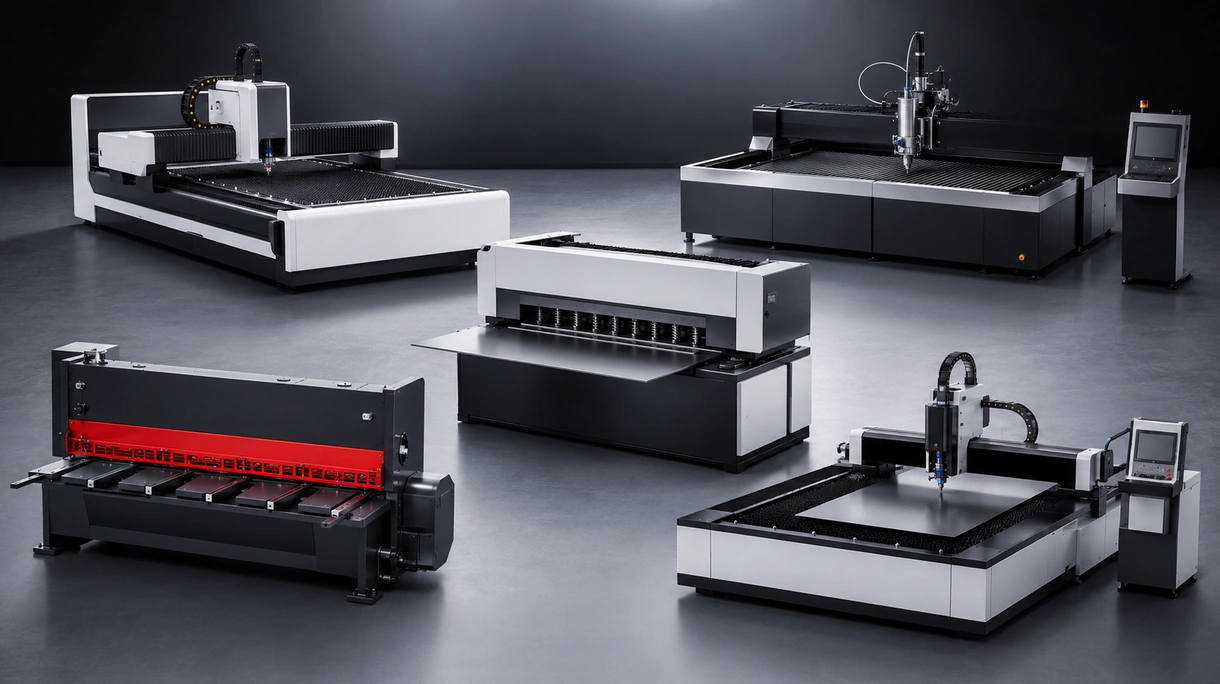
4 Criteria to choose your sheet metal cutting machine
Material thickness range capacity
Ensures the machine handles specific gauge requirements for carbon steel or aluminum without compromising edge quality or speed.
Positioning and repeatability precision
Critical for downstream assembly processes where tight tolerances reduce welding rework and ensure high-quality finished industrial components.
Total hourly operating cost
Includes gas consumption, electricity usage, and consumable lifespan to determine the real-world profitability of high-volume production runs.
Integrated automation compatibility
Evaluates how easily the system connects with loading robots or CAD/CAM software to maximize throughput and minimize labor.
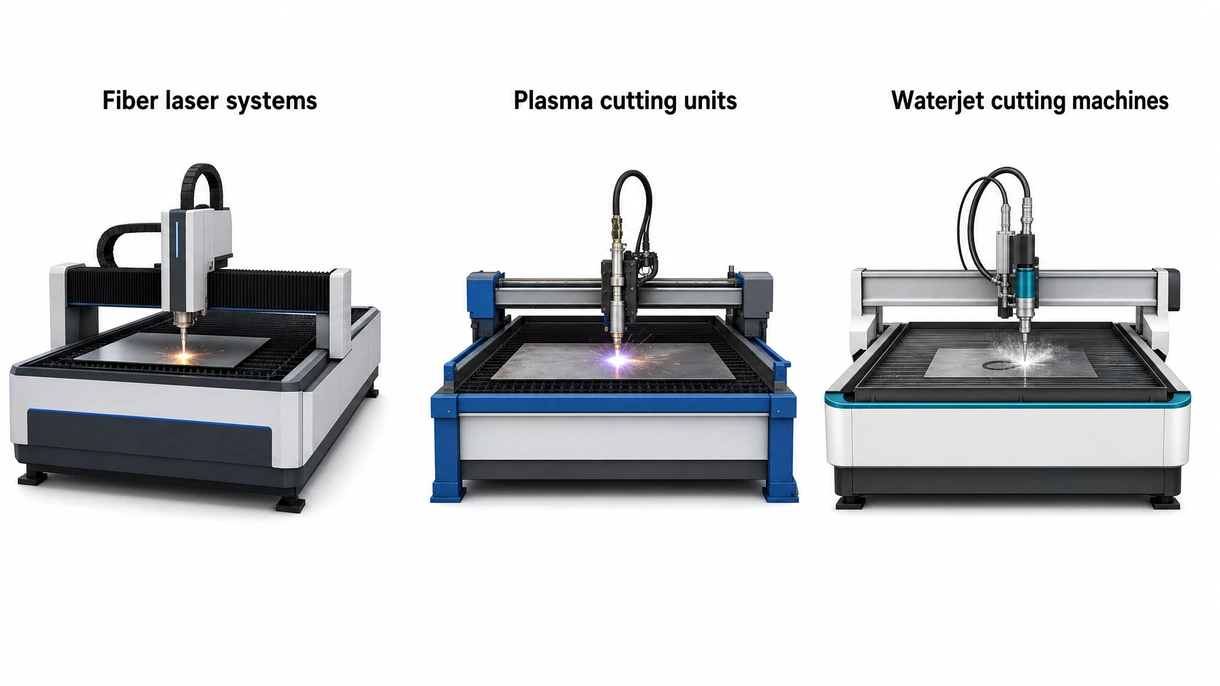
Available technologies and advantages
Fiber laser systems
Superior efficiency for thin materials compared to carbon dioxide systems, though higher initial costs require high-volume throughput for strategic amortization.
Plasma cutting units
Robust technology for thick plates where high speed is prioritized over precision. Low entry costs are offset by frequent consumable nozzle replacements.
Waterjet cutting machines
Cold process preserving material integrity for reflective metals. Slower speeds and high abrasive costs represent the primary trade-off for superior edge quality.
6 expert tips
Prioritize fiber laser technology to maximize throughput and minimize secondary finishing costs in high-volume industrial sheet metal production.
Calculate the total cost of ownership including gas, electricity, and maintenance intervals before committing to a specific brand.
Evaluate the software integration capabilities to ensure seamless communication between your design department and the machine shop floor.
Assess the local technical support availability and spare parts inventory to prevent costly downtime during critical manufacturing cycles.
Invest in automated loading systems to significantly reduce idle time and improve the overall equipment effectiveness of the machine.
Always verify the technical certification to ensure compliance with local building safety standards and long-term durability.
Innovations and Trends
Predictive sensors analyze wear patterns to automatically adjust parameters, reducing scrap rates and extending consumable life significantly.
Multi-axis systems allow for immediate weld preparation on complex parts, eliminating separate machining steps and improving throughput.
New linear motors reduce power consumption significantly while increasing acceleration rates for high-precision industrial cutting applications.
Real-time telemetry provides actionable data on performance, allowing plant managers to optimize production schedules across multiple sites.
*Prices are pre-tax. They exclude delivery charges and customs duties and do not include additional charges for installation or activation options. Prices are indicative only and may vary by country, with changes to the cost of raw materials and exchange rates.
About DirectIndustry
DirectIndustry is a marketplace that offers B2B players a complete experience, from product sourcing to purchase. DirectIndustry is an entity of VirtualExpo Group.
Are you a buyer?
Are you a supplier?
About Us
- VirtualExpo Group
- Our Partners
- Recruitment
- Testimonials