
- Home page
- buying guide
- coaxial gear reducer
coaxial gear reducer
coaxial gear reducer: A technical guide
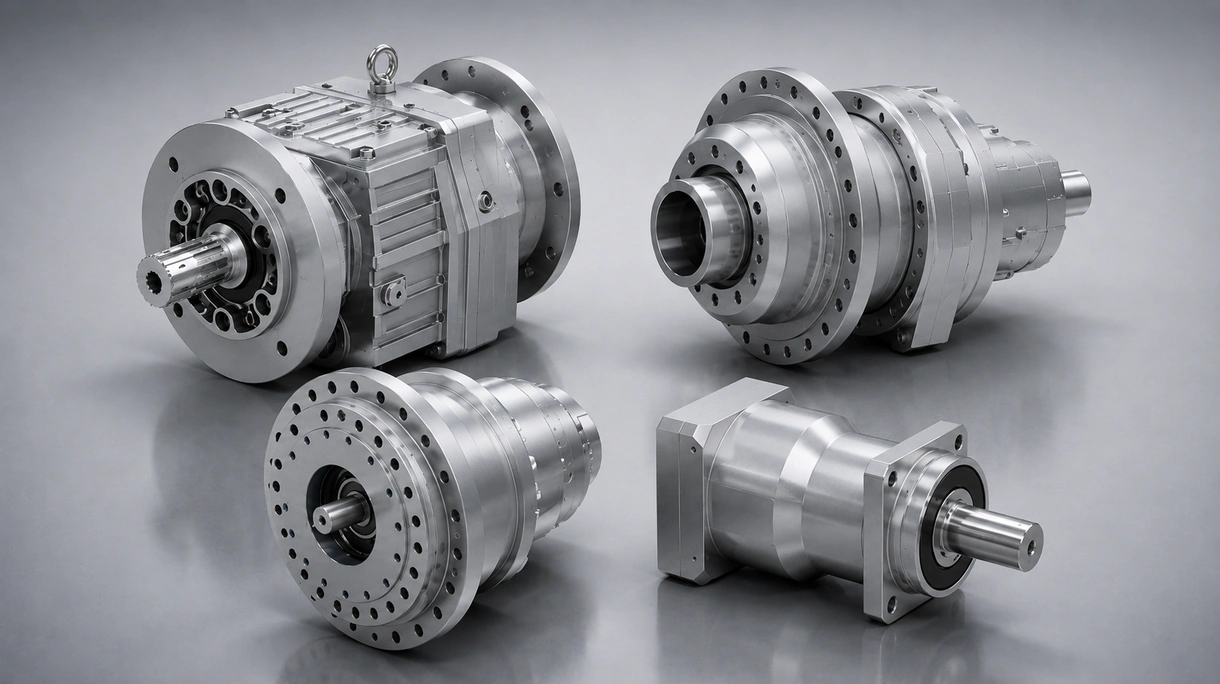
4 Criteria to choose your coaxial gear reducer
Rated torque capacity
Ensure output torque exceeds peak operational loads while maintaining safety factors for continuous industrial cycles and shock resistance.
Transmission efficiency percentage
Minimize energy losses through high precision helical gearing to reduce heat generation and long term electricity consumption in plants.
Backlash and precision
Limit angular play for positioning accuracy in automated production lines requiring synchronized motion and repeatable mechanical stop points.
Thermal dissipation rating
Validate the gearbox performance to operate under ambient temperatures without exceeding oil degradation limits or requiring external cooling.
Available technologies and advantages
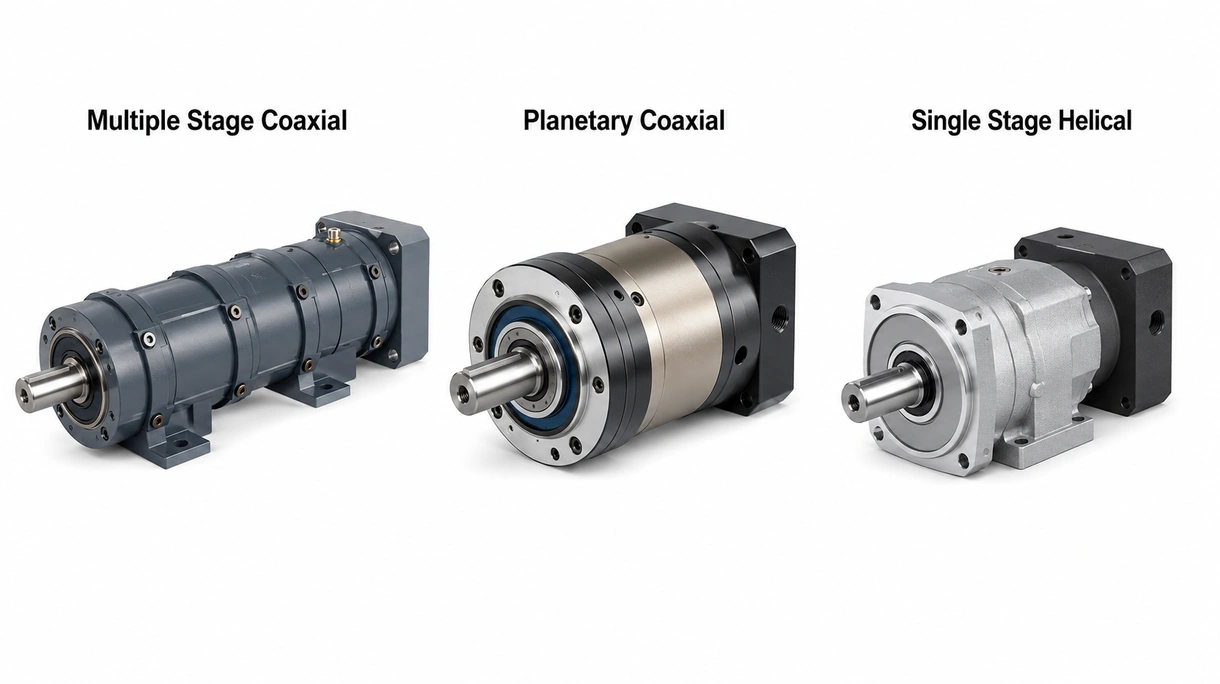
Multiple stage coaxial units
Multiple gear sets are aligned on the same axis to achieve high reduction ratios within a narrow cylindrical housing footprint for machinery.
Operational trade offs
These units deliver massive torque density and versatile mounting options, though increased internal components slightly lower the overall mechanical efficiency during operation.
Planetary coaxial systems
Central sun gears drive several planet gears to distribute torque loads across multiple teeth simultaneously for extreme power density requirements in heavy industry.
Performance constraints
They provide unparalleled torque capacity and compact dimensions, yet involve higher initial costs and complex maintenance compared to standard helical designs.
Single stage helical units
These units utilize a single set of helical gears for simple speed reduction with minimal internal friction and heat generation across moderate ratios.
Application limitations
They offer high efficiency and compact footprints but provide limited reduction ratios, making them unsuitable for high torque industrial heavy equipment applications.
6 expert tips
Always verify the technical certification to ensure compliance with local building safety standards and long term durability.
Verify the service factor against actual load cycles to prevent premature bearing failure and unplanned production line downtime.
Prioritize units with ground helical gears to ensure low noise levels and high efficiency during continuous industrial operations.
Select reducers with standardized IEC or NEMA input flanges to simplify motor replacement and reduce global inventory costs.
Request synthetic lubrication as the factory fill to extend maintenance intervals and improve performance in extreme temperature ranges.
Evaluate the housing material against environmental corrosivity to prevent structural degradation in chemical processing or food washdown areas.
Innovations and Trends
Integration of IoT sensors for vibration and temperature monitoring allows predictive maintenance to prevent catastrophic mechanical transmission failures.
Advanced surface coatings for gear teeth increase wear resistance and extend the operational lifespan of high torque industrial reducers.
Lightweight aluminum alloy housings for smaller units improve heat dissipation while maintaining structural integrity for high speed robotics applications.
Eco design focuses on modularity to allow individual component replacement, significantly reducing industrial waste and long term total ownership costs.
*Prices are pre-tax. They exclude delivery charges and customs duties and do not include additional charges for installation or activation options. Prices are indicative only and may vary by country, with changes to the cost of raw materials and exchange rates.
About DirectIndustry
DirectIndustry is a marketplace that offers B2B players a complete experience, from product sourcing to purchase. DirectIndustry is an entity of VirtualExpo Group.
Are you a buyer?
Are you a supplier?
About Us
- VirtualExpo Group
- Our Partners
- Recruitment
- Testimonials