
- Home page
- buying guide
- centrifugal fan
centrifugal fan
centrifugal fan: A technical guide
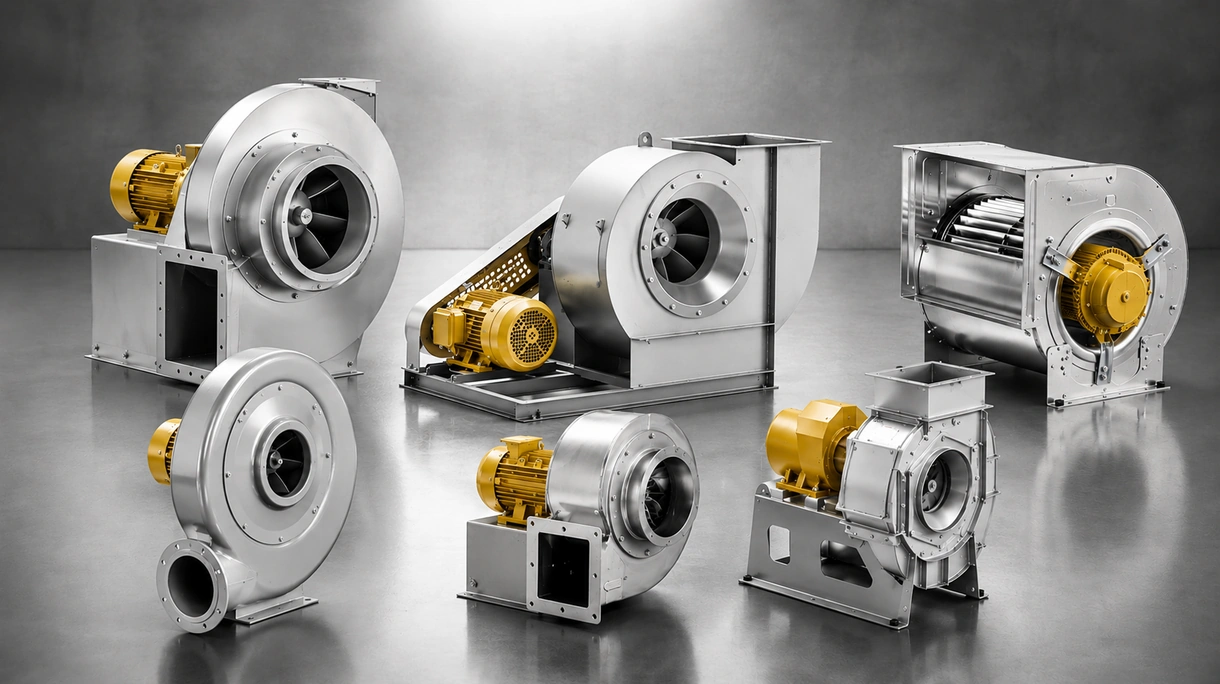
4 Criteria to choose your centrifugal fan
Pressure-Volume Flow Correlation
Matching static pressure requirements with airflow volume ensures optimal ventilation efficiency across specific industrial ductwork and resistance levels.
System Energy Efficiency
Implementing premium high-efficiency motors with variable frequency drives reduces operational expenses and minimizes carbon footprint in continuous processes.
Material and Environmental Resistance
Selecting corrosion-resistant alloys or specialized coatings prevents premature failure when handling caustic gases or high-temperature industrial exhaust streams.
Acoustic Performance Levels
Evaluating decibel outputs at various frequencies ensures compliance with workplace safety regulations and prevents noise-induced hearing loss for operators.
Available technologies and advantages
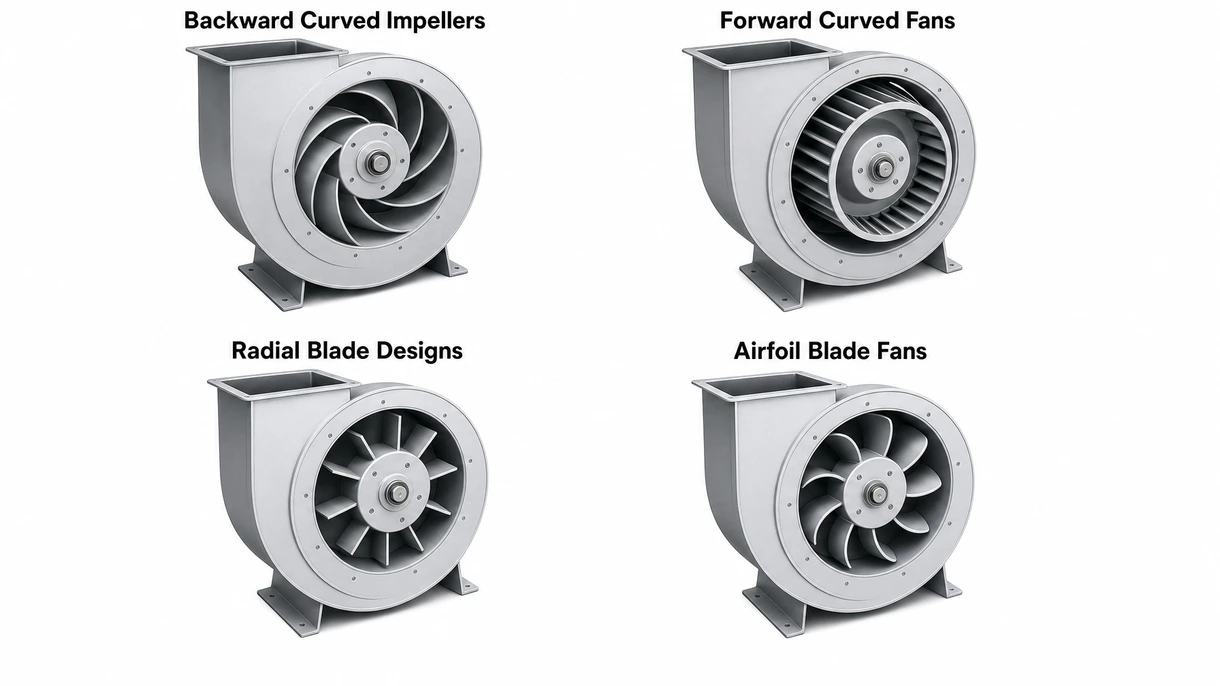
Backward Curved Impellers
These feature blades curving away from direction of rotation, delivering high efficiency and stable pressure curves without motor overloading. Advantages: Superior efficiency and quiet operation. Limitations: Sensitive to dust buildup. Trade-offs: High initial cost for lower energy consumption.
Forward Curved Fans
Utilizing numerous small blades curved in the rotation direction, these units provide high flow rates within extremely compact housings. Advantages: Space-saving and cost-effective. Limitations: Prone to motor overload if resistance drops. Trade-offs: Low cost versus lower aerodynamic efficiency.
Radial Blade Designs
Featuring straight blades extending from the hub, these robust units excel at moving heavy particulate matter or materials. Advantages: High durability and easy cleaning. Limitations: Loudest and least efficient profile. Trade-offs: High maintenance resilience versus operational power waste.
Airfoil Blade Fans
Incorporating hollow blades shaped like wings, these provide the highest efficiency and quietest performance for clean air applications. Advantages: Peak aerodynamic performance. Limitations: Not suitable for particulate-heavy air. Trade-offs: Maximum efficiency requiring high-purity air streams.
6 expert tips
Always verify the technical certification to ensure compliance with local building safety standards and long-term durability.
Prioritize direct drive configurations to eliminate belt maintenance costs and improve total system efficiency in heavy-duty manufacturing environments.
Conduct a comprehensive life cycle cost analysis comparing initial purchase price against long-term energy and maintenance expenditure forecasts.
Specify vibration monitoring sensors to detect early mechanical imbalances and prevent catastrophic failure during critical continuous production cycles.
Select modular housing designs that facilitate easy access for impeller cleaning and bearing replacement to minimize planned downtime.
Validate performance curves through independent laboratory testing to ensure the equipment meets specified airflow and pressure requirements.
Innovations and Trends
Implementation of virtual models allows real-time performance tracking and predictive maintenance to maximize industrial system uptime and reliability.
Utilizing carbon-fiber reinforced polymers reduces impeller weight, allowing for higher rotational speeds and increased aerodynamic efficiency levels.
Integrated electronics optimize motor speed dynamically based on real-time demand, significantly reducing energy waste in variable processes.
Bio-inspired trailing edge serrations reduce turbulent noise, helping facilities meet stricter environmental noise regulations without losing throughput.
*Prices are pre-tax. They exclude delivery charges and customs duties and do not include additional charges for installation or activation options. Prices are indicative only and may vary by country, with changes to the cost of raw materials and exchange rates.
About DirectIndustry
DirectIndustry is a marketplace that offers B2B players a complete experience, from product sourcing to purchase. DirectIndustry is an entity of VirtualExpo Group.
Are you a buyer?
Are you a supplier?
About Us
- VirtualExpo Group
- Our Partners
- Recruitment
- Testimonials