
- Home page
- buying guide
- diesel engine
diesel engine
diesel engine: A technical guide
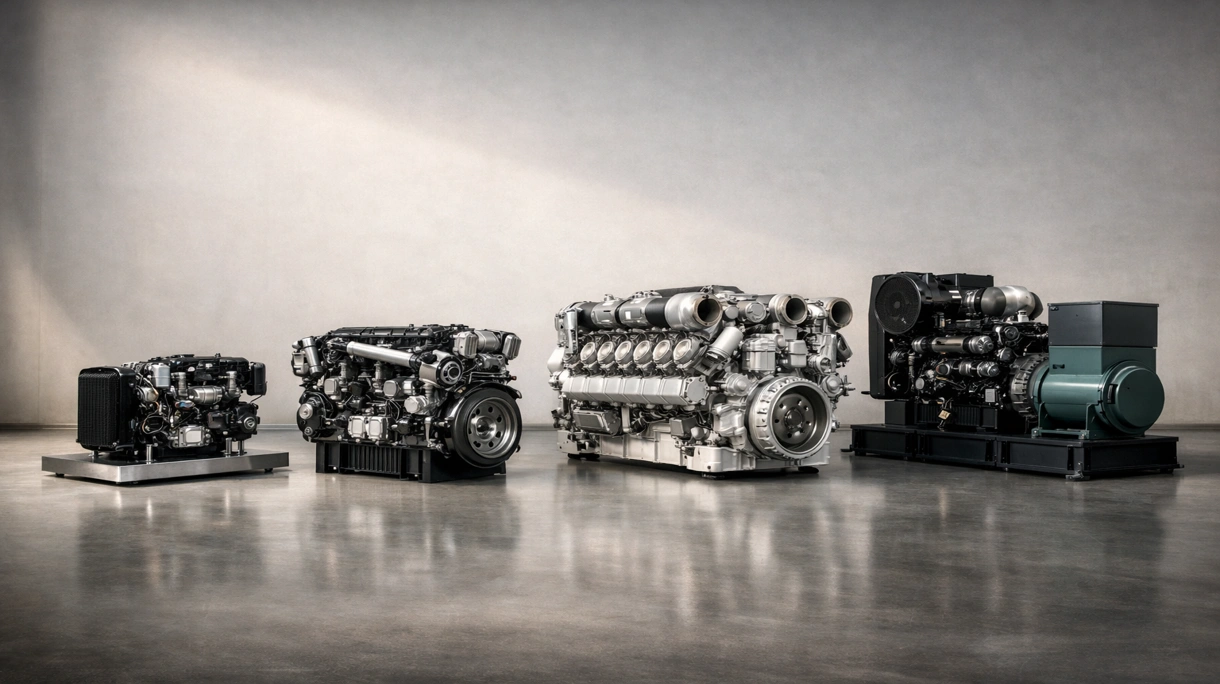
4 Criteria to choose your diesel engine
Power weight ratio
Optimizing payload capacity in heavy logistics and mobile machinery while maintaining sufficient torque for demanding industrial duty cycles.
Emissions standard compliance
Ensuring legal operation within current American or European environmental zones to avoid heavy fines and restricted site access.
Total cost ownership
Evaluating fuel consumption, maintenance intervals, and spare parts availability across the planned decade-long industrial equipment lifecycle.
Peak torque delivery
Determining the engine ability to handle sudden load increases in heavy production environments without significant speed fluctuations.
Available technologies and advantages
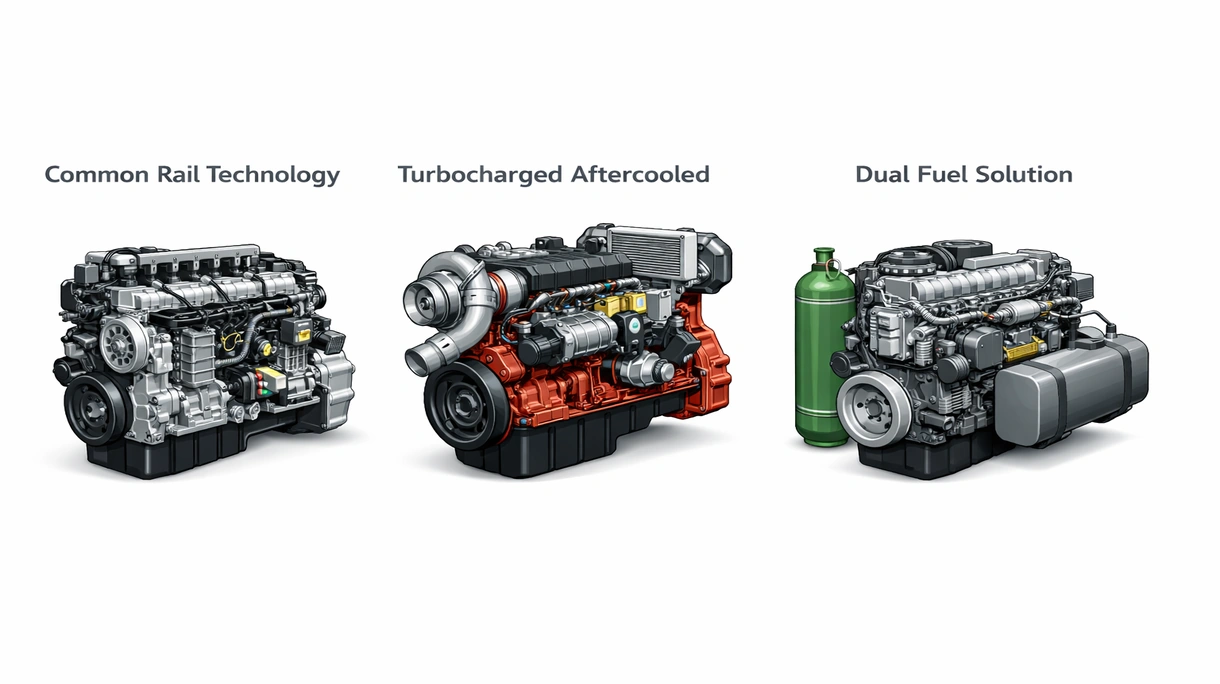
Common Rail Technology
These advanced systems utilize high-pressure fuel rails to optimize combustion cycles across various engine speeds, providing significantly superior control compared to traditional mechanical injection pumps.
Operational Trade-offs
Advantages include superior fuel efficiency and lower noise levels, while limitations involve requirements for ultra-clean fuel and complex electronic control units.
Turbocharged Aftercooled Systems
These units utilize exhaust-driven turbines and air coolers to increase intake density, significantly boosting power density compared to standard naturally aspirated industrial units.
Operational Trade-offs
High power output from smaller displacements is a key advantage, though increased thermal stress necessitates robust cooling systems and premium lubricants.
Dual Fuel Solutions
These industrial units integrate natural gas with diesel ignition to reduce particulate matter while maintaining the compression ignition reliability, performance, and heavy-duty capabilities.
Operational Trade-offs
Significant reduction in operating costs and emissions is achieved, yet these systems require complex fuel management infrastructure and dual storage tanks.
6 expert tips
Always verify the technical certification to ensure compliance with local building safety standards and long-term durability.
Prioritize engines with global service networks to ensure rapid parts delivery and minimize downtime for mission-critical production equipment.
Confirm certification with local environmental authorities to guarantee long-term operational legality in strictly regulated industrial construction zones.
Evaluate the compatibility of engine dimensions with existing chassis to prevent expensive structural modifications during machine integration phases.
Select models featuring integrated digital diagnostic ports to enable predictive maintenance and reduce unplanned failure rates in logistics.
Calculate real-world consumption data instead of manufacturer benchmarks to accurately forecast long-term operational expenditure for heavy fleet assets.
Innovations and Trends
Hydrogen-treated vegetable oil compatibility allows immediate carbon footprint reduction without requiring extensive hardware modifications to existing industrial fleets.
Integrated telematics and IoT sensors provide real-time performance monitoring to optimize fleet utilization and prevent catastrophic engine failures.
Electric-hybrid diesel configurations reduce fuel consumption and noise levels during low-load operations in sensitive industrial or urban environments.
Advanced Selective Catalytic Reduction systems minimize nitrogen oxide emissions to meet stringent American and European regulatory requirements.
*Prices are pre-tax. They exclude delivery charges and customs duties and do not include additional charges for installation or activation options. Prices are indicative only and may vary by country, with changes to the cost of raw materials and exchange rates.
About DirectIndustry
DirectIndustry is a marketplace that offers B2B players a complete experience, from product sourcing to purchase. DirectIndustry is an entity of VirtualExpo Group.
Are you a buyer?
Are you a supplier?
About Us
- VirtualExpo Group
- Our Partners
- Recruitment
- Testimonials