
- Home page
- buying guide
- peristaltic pump
peristaltic pump
peristaltic pump: A technical guide
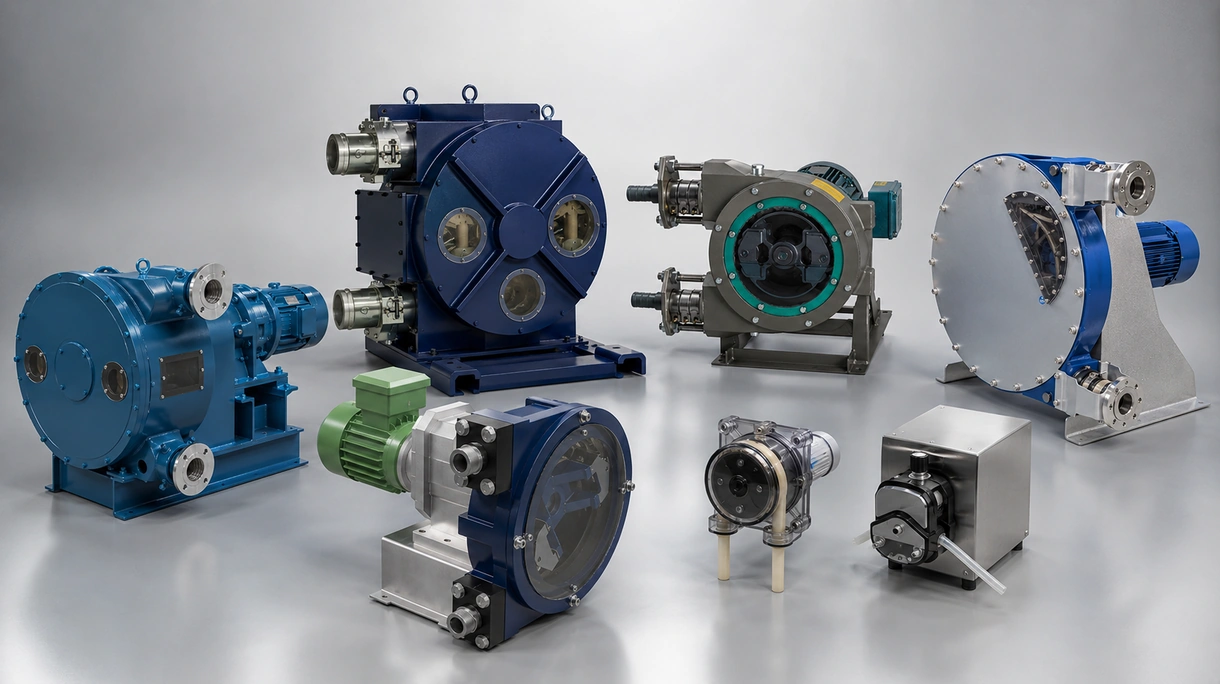
4 Criteria to choose your peristaltic pump
Precision and repeatability accuracy
Critical for dosing applications where consistent volumetric displacement ensures process stability and minimizes costly chemical or ingredient waste.
Chemical and thermal compatibility
Ensures hose longevity and prevents fluid contamination by matching elastomer properties with specific chemical compositions and operating temperatures.
System pressure and flow
Determines pump sizing to maintain precise dosing volumes while overcoming system back-pressure without sacrificing hose life or accuracy.
Maintenance and duty cycle
Evaluates motor durability and hose replacement intervals to minimize downtime during continuous round the clock industrial fluid transfer operations.
Available technologies and advantages
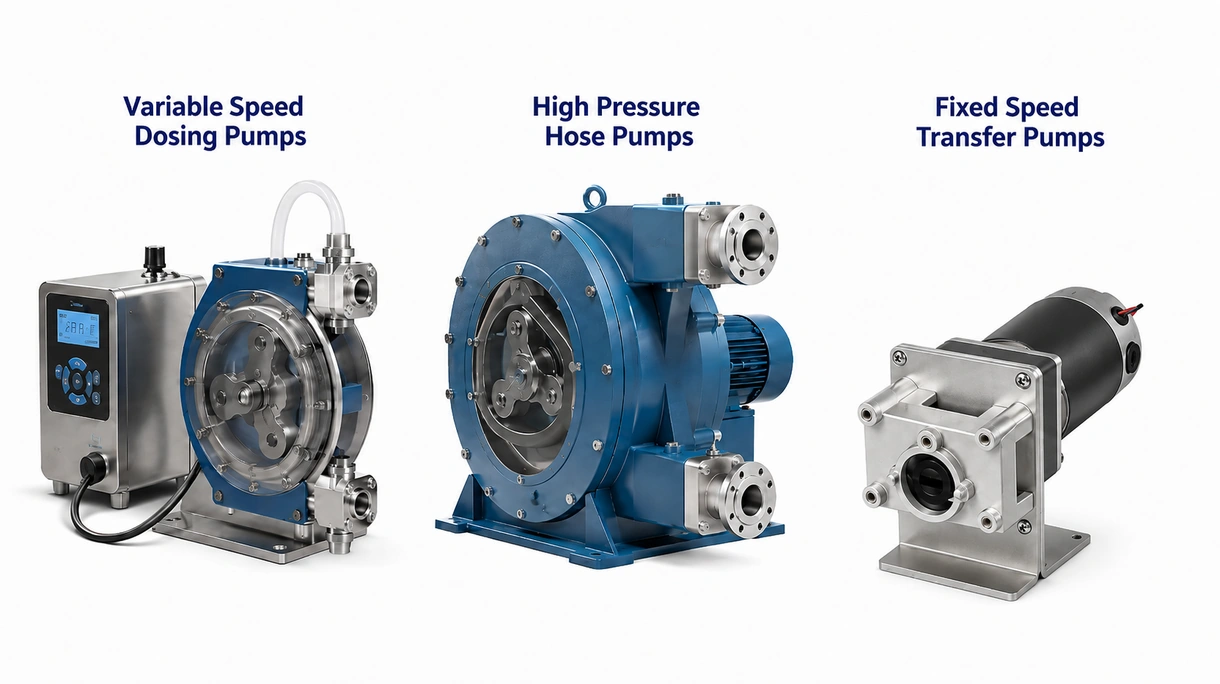
Variable Speed Dosing Pumps
These systems integrate digital controllers to adjust motor speed for precise volumetric control. They enhance process flexibility though requiring higher investment in electronic integration.
High Pressure Hose Pumps
Designed with reinforced casings, these handle abrasive slurries at high pressures. They provide exceptional durability in harsh conditions while requiring regular lubricant checks.
Fixed Speed Transfer Pumps
These units provide consistent flow for standard transfer tasks. They offer robust simplicity and lower initial capital expenditure but lack flexibility for variable process demands.
6 expert tips
Evaluate the chemical compatibility of the hose material with the process fluid to prevent premature rupture and leakage.
Select a pump head design that allows for rapid hose replacement without requiring specialized tools or long downtime.
Verify that the motor and drive system meet the required ingress protection ratings for the specific industrial environment.
Prioritize models with integrated leak detection sensors to shut down operations immediately upon detection of a hose failure.
Calculate the total cost of ownership by including the frequency and price of replacement hoses over five years.
Always verify the technical certification to ensure compliance with local building safety standards and long-term durability.
Innovations and Trends
IoT enabled remote monitoring systems track hose wear in real time, reducing unplanned downtime by predicting failure points accurately.
Advanced thermoplastic elastomer formulations extend hose life by forty percent, significantly lowering the frequency of maintenance interventions.
Integration of brushless DC motors improves energy efficiency by fifteen percent while providing superior control over low flow dosing.
Modular pump head designs allow for tool free changeovers, enhancing operational flexibility and reducing safety risks for maintenance staff.
*Prices are pre-tax. They exclude delivery charges and customs duties and do not include additional charges for installation or activation options. Prices are indicative only and may vary by country, with changes to the cost of raw materials and exchange rates.
About DirectIndustry
DirectIndustry is a marketplace that offers B2B players a complete experience, from product sourcing to purchase. DirectIndustry is an entity of VirtualExpo Group.
Are you a buyer?
Are you a supplier?
About Us
- VirtualExpo Group
- Our Partners
- Recruitment
- Testimonials