
- Home page
- buying guide
- piston valve
piston valve
piston valve: A technical guide
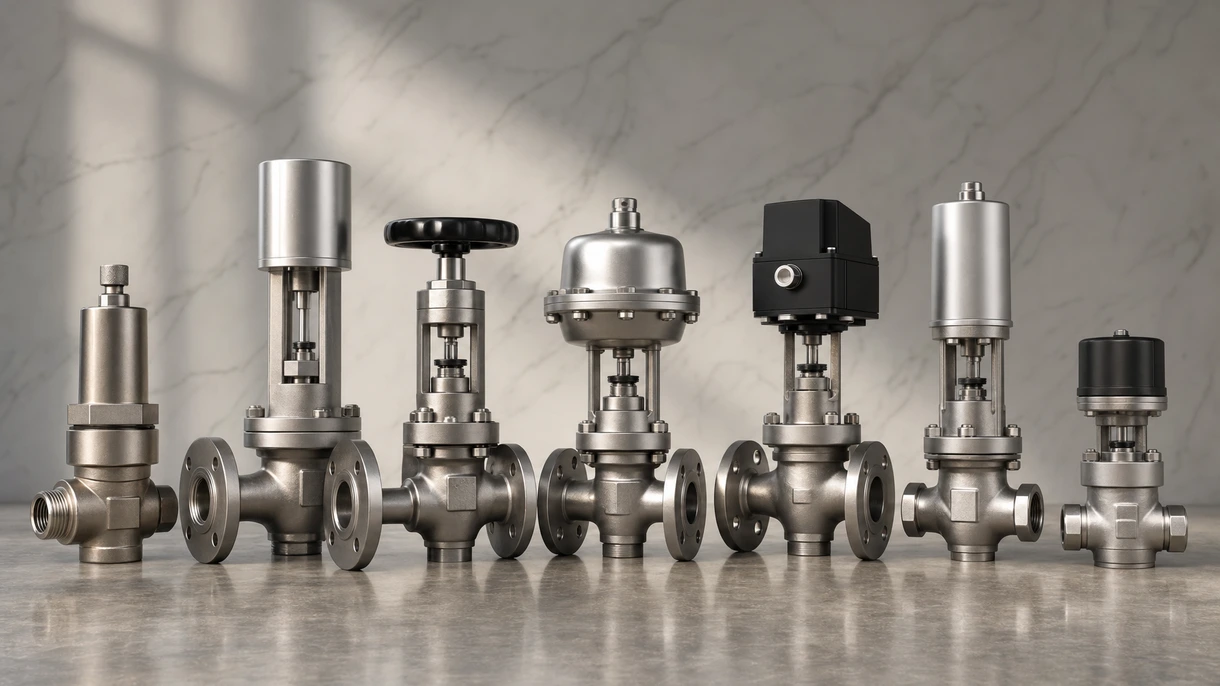
4 Criteria to choose your piston valve
Seal integrity and tightness
This ensures bubble-tight shut-off for steam or thermal fluids preventing energy loss and downstream contamination in process lines.
Media chemical compatibility
Engineering teams must match piston and ring materials to corrosive process fluids to ensure durability and prevent leakage.
Pressure temperature ratings
These parameters must align with ASME or EN standards to maintain safety during high-stress industrial thermal cycles.
Maintenance and repair accessibility
Designs allowing in-line ring replacement minimize production downtime and reduce total lifecycle labor costs for large manufacturing plants.
Available technologies and advantages
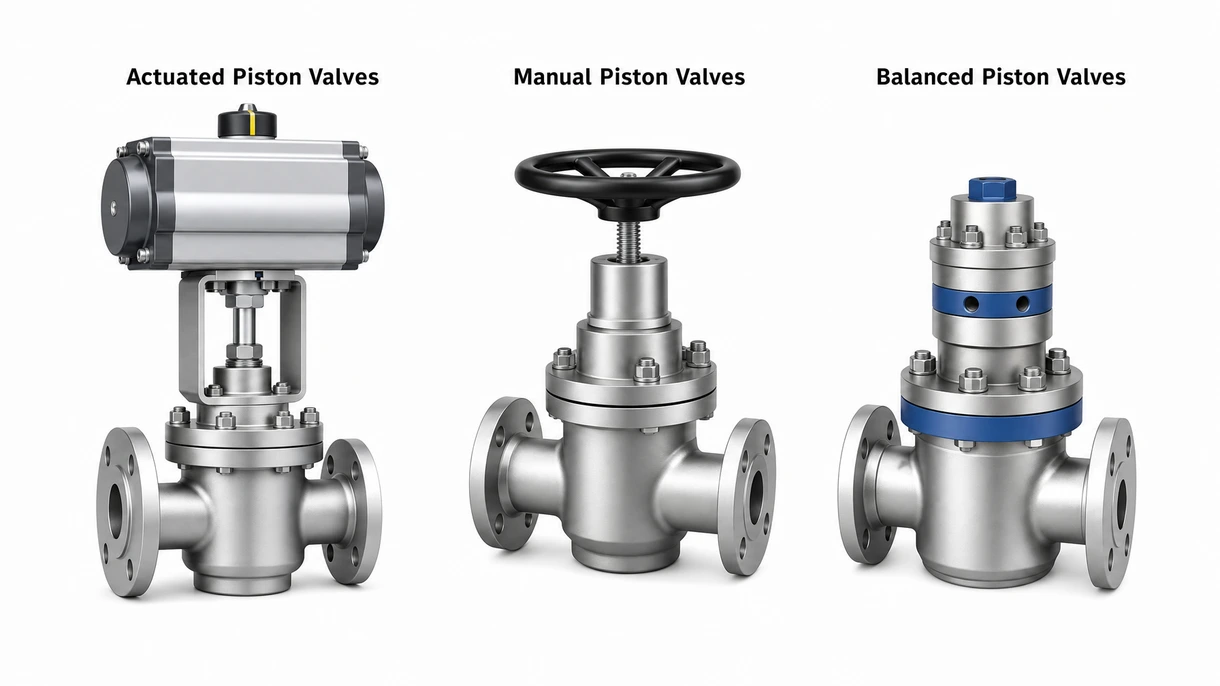
Actuated Piston Valves
These integrate pneumatic or electric actuators for remote operation. They provide precise control and integration into SCADA systems despite higher initial capital investment. This technology enables automated process sequences and remote safety shut-offs but requires higher technical expertise for electrical or pneumatic installation.
Manual Piston Valves
These use handwheels for flow regulation in utility lines. They offer low cost and high reliability but lack automation for complex process control systems. Manual units provide excellent tactile feedback and simplified maintenance for isolation tasks though they necessitate physical presence of floor operators.
Balanced Piston Valves
These feature internal pressure balancing to reduce operating torque. They allow for smaller actuators on high-pressure lines but involve more complex internal seals. The design reduces mechanical stress on the drive assembly and improves response times while increasing the complexity of internal sealing components.
6 expert tips
Prioritize valves with renewable sealing rings to ensure long-term operational efficiency and significantly reduce total maintenance expenditure.
Verify that the valve body casting complies with ASTM or EN pressure vessel codes for industrial safety.
Select stainless steel pistons for aggressive chemical environments to prevent surface pitting and maintain a perfect seal.
Evaluate the flow coefficient requirements to ensure the valve size minimizes pressure drops across the production line.
Opt for manufacturers providing comprehensive material traceability reports to satisfy strict industrial quality audit and safety requirements.
Always verify the technical certification to ensure compliance with local building safety standards and long-term durability.
Innovations and Trends
Smart positioners with diagnostic sensors now predict seal wear to trigger maintenance before critical failure occurs.
Advanced polymer sealing materials extend service life in extreme temperature cycles exceeding standard PTFE thermal limitations.
Additive manufacturing of valve internals allows for optimized flow paths that reduce turbulence and internal erosion.
Low-emission packing designs ensure compliance with tightening environmental regulations regarding fugitive volatile organic compound leaks.
*Prices are pre-tax. They exclude delivery charges and customs duties and do not include additional charges for installation or activation options. Prices are indicative only and may vary by country, with changes to the cost of raw materials and exchange rates.
About DirectIndustry
DirectIndustry is a marketplace that offers B2B players a complete experience, from product sourcing to purchase. DirectIndustry is an entity of VirtualExpo Group.
Are you a buyer?
Are you a supplier?
About Us
- VirtualExpo Group
- Our Partners
- Recruitment
- Testimonials