
- Home page
- buying guide
- thermal imaging camera
thermal imaging camera
thermal imaging camera: A technical guide
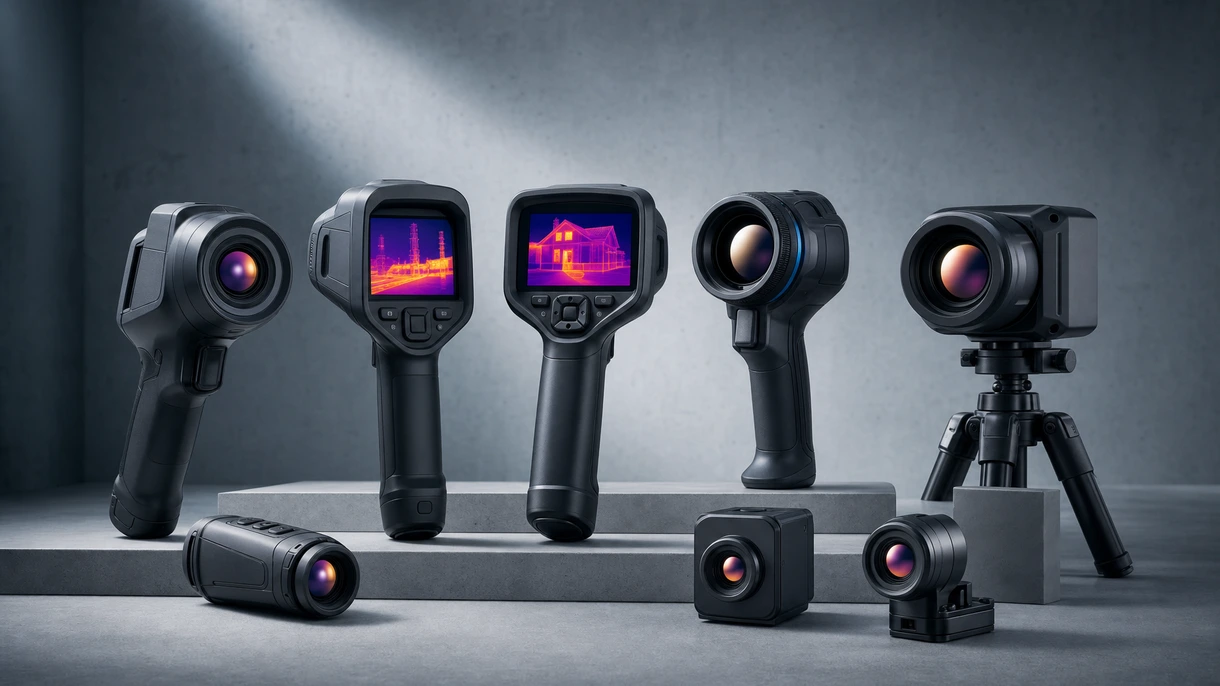
4 Criteria to choose your thermal imaging camera
Thermal Sensitivity NETD
High sensitivity ensures detection of minute temperature differences, critical for early electrical failure diagnostics and preventing costly production downtime.
Sensor Resolution Pixel Count
Superior detector resolution provides precise measurement data from safe distances, improving accuracy for detailed inspections of high-voltage industrial systems.
Temperature Measurement Range
Wide operating ranges accommodate diverse industrial processes, from cold storage monitoring to high-heat furnace and smelting equipment analysis.
Frame Rate Frequency
High refresh rates capture clear thermal data from moving machinery or rotating parts without motion blur or measurement errors.
Available technologies and advantages
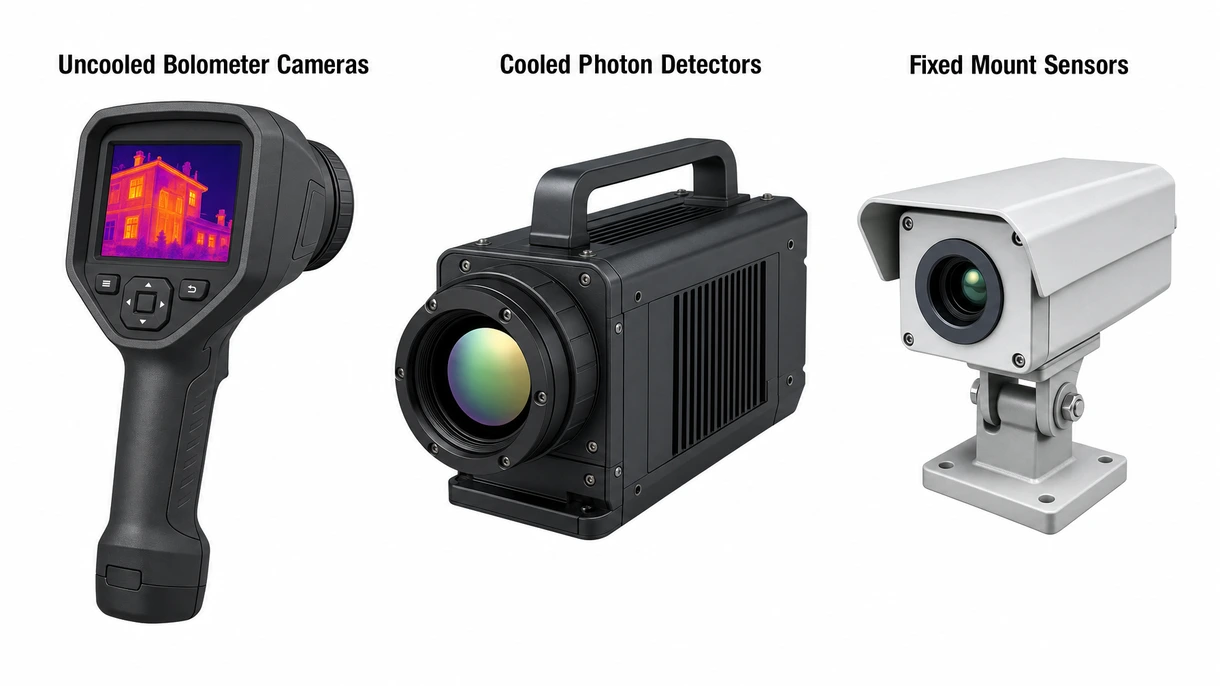
Uncooled Bolometer Cameras
These versatile handheld devices use microbolometer sensors for routine predictive maintenance, offering cost-effective reliability for standard electrical and mechanical inspections within most industrial environments.
Cooled Photon Detectors
These high-end systems utilizing cryogenic cooling provide extreme sensitivity and high-speed capture, necessary for specialized research, gas detection, and observing rapidly rotating machinery components.
Fixed Mount Sensors
These dedicated automation cameras integrate directly into factory PLC systems for continuous process monitoring, ensuring real-time quality control and thermal safety on automated assembly lines.
6 expert tips
Prioritize units with interchangeable lenses to ensure optical flexibility across both narrow mechanical spaces and wide electrical cabinets.
Select devices featuring integrated visual cameras to provide fused multi-spectral imagery for simplified reporting and faster fault localization.
Verify the ingress protection rating matches your specific environmental hazards to prevent damage from industrial dust and water.
Confirm software compatibility with existing enterprise asset management platforms to streamline data analysis and automated report generation workflows.
Choose models with field-replaceable batteries to guarantee continuous operation during extended facility shutdowns or large-scale maintenance audits.
Assess the manufacturer’s calibration and repair infrastructure within your region to minimize equipment downtime and maintain measurement traceability.
Always verify the technical certification to ensure compliance with local building safety standards and long-term durability.
Innovations and Trends
Real-time on-device analytics automatically identify thermal anomalies and categorize equipment health without requiring external cloud processing capabilities.
New portable sensors visualize fugitive gas leaks alongside thermal data, enhancing safety protocols and meeting strict environmental regulations.
Instant wireless uploading of thermal inspections enables remote expert review and immediate integration into digital twin maintenance platforms.
Advancements in sensor density provide megapixel thermal resolution, significantly improving safety when inspecting distant or energized industrial components.
*Prices are pre-tax. They exclude delivery charges and customs duties and do not include additional charges for installation or activation options. Prices are indicative only and may vary by country, with changes to the cost of raw materials and exchange rates.
About DirectIndustry
DirectIndustry is a marketplace that offers B2B players a complete experience, from product sourcing to purchase. DirectIndustry is an entity of VirtualExpo Group.
Are you a buyer?
Are you a supplier?
About Us
- VirtualExpo Group
- Our Partners
- Recruitment
- Testimonials