
- Home page
- buying guide
- cutting machine
cutting machine
cutting machine: A technical guide
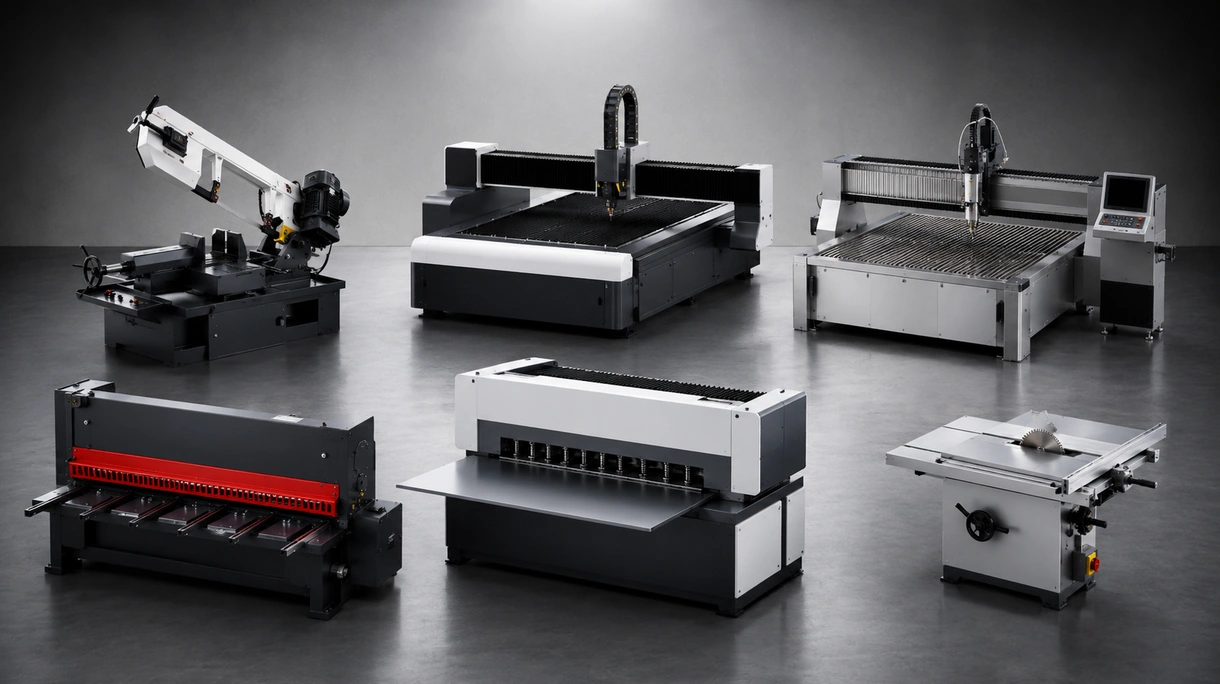
4 Criteria to choose your cutting machine
Material Compatibility Range
Assessing machine capability across various thicknesses and alloy types ensures versatile production flows and prevents equipment obsolescence.
Positional Accuracy Tolerance
High precision ratings reduce scrap rates and secondary finishing requirements, directly impacting the total cost of ownership.
Feed Rate Efficiency
Linear cutting speeds determine throughput capacity and must align with upstream processing speeds to prevent production bottlenecks.
Kerf Width Control
Minimizing material waste through narrow kerf widths optimizes raw material utilization and lowers unit production costs significantly.
Available technologies and advantages
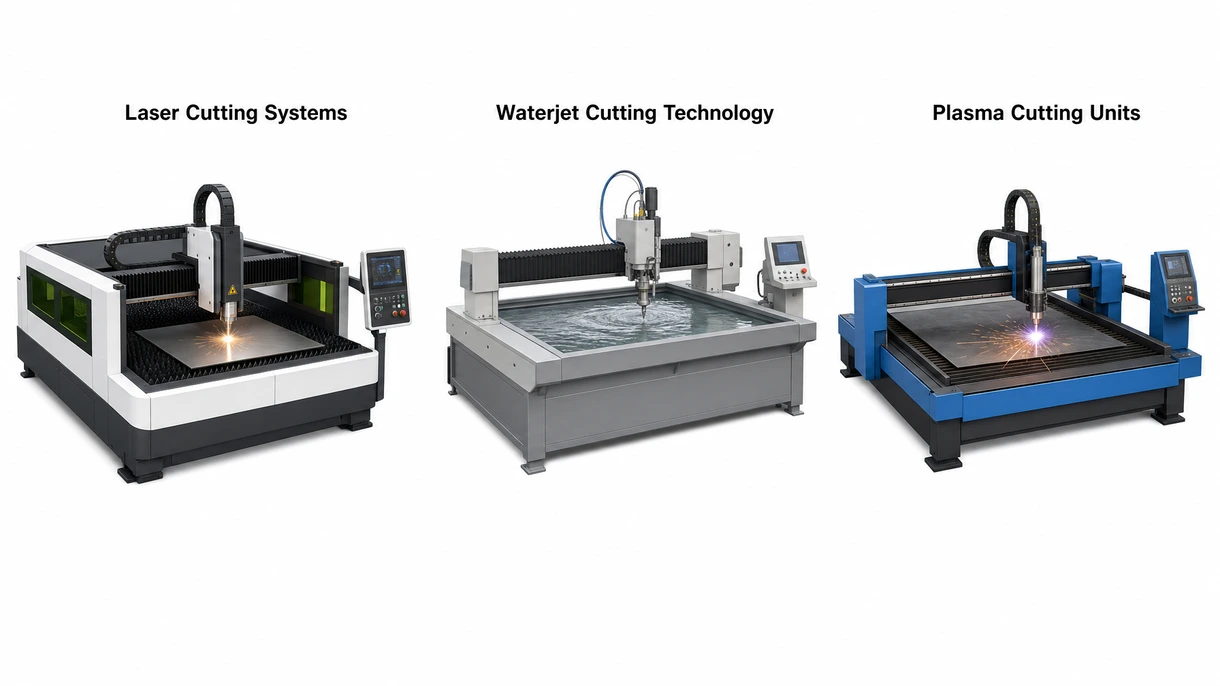
Laser Cutting Systems
Laser cutting systems utilize concentrated light beams to vaporize material, offering superior precision for thin sheets. While highly accurate, they struggle with reflective metals and require significant capital investment.
Waterjet Cutting Technology
Waterjet cutting technology uses high-pressure water with abrasives to erode material, cold-cutting any thickness without heat-affected zones. This prevents structural distortion but operates at slower speeds and incurs high costs.
Plasma Cutting Units
Plasma cutting units employ ionized gas to melt conductive metals at high speeds for heavy plate fabrication. They offer high productivity for thick materials but lack the fine precision of lasers.
6 expert tips
Always verify the technical certification to ensure compliance with local building safety standards and long-term durability.
Evaluate total cost of ownership by calculating energy consumption, gas usage, and consumable replacement cycles over extended periods.
Prioritize modular machine architectures that allow for future power source upgrades or automated material handling system integration.
Select vendors providing comprehensive remote diagnostic support to minimize downtime and reduce the need for on-site technician visits.
Inspect mechanical rigidity and vibration damping properties to ensure consistent accuracy during high-speed, multi-axis heavy industrial operations.
Assess software compatibility with existing CAD systems to streamline the transition from design to manufacturing without data loss.
Innovations and Trends
Fiber laser advancements allow for increased power density, significantly improving cutting speeds for thick steel while reducing electrical consumption.
AI-driven nesting software optimizes part placement on sheets to minimize material waste and automatically adjusts parameters for kerf compensation.
Real-time sensor monitoring detects nozzle wear and beam misalignment instantly, preventing defective batches and reducing unscheduled maintenance events.
Integrated robotic sorting automates the removal of finished parts from skeletons, increasing throughput and improving worker ergonomic safety.
*Prices are pre-tax. They exclude delivery charges and customs duties and do not include additional charges for installation or activation options. Prices are indicative only and may vary by country, with changes to the cost of raw materials and exchange rates.
About DirectIndustry
DirectIndustry is a marketplace that offers B2B players a complete experience, from product sourcing to purchase. DirectIndustry is an entity of VirtualExpo Group.
Are you a buyer?
Are you a supplier?
About Us
- VirtualExpo Group
- Our Partners
- Recruitment
- Testimonials