
- Home page
- buying guide
- chamber oven
chamber oven
chamber oven: A technical guide
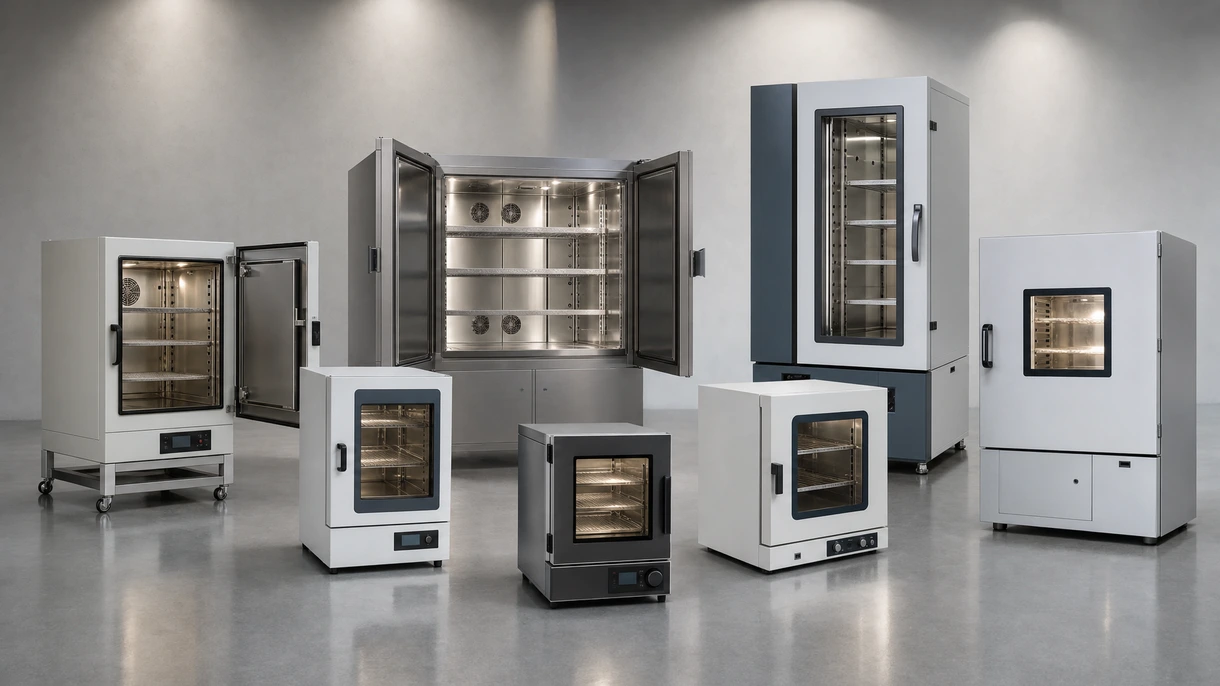
4 Criteria to choose your chamber oven
Temperature uniformity and control
Precise thermal distribution ensures consistent material properties across large batches, reducing scrap rates in critical aerospace or automotive components.
Heating rate and capacity
High wattage density determines throughput speed and ability to handle dense loads without compromising cycle times or energy efficiency.
Insulation and energy efficiency
Advanced refractory materials minimize heat loss to the environment, lowering operational costs and improving worker safety during continuous operation.
Atmospheric control and sealing
Integrated gas management or vacuum capabilities prevent oxidation, ensuring surface integrity for sensitive heat treatment or curing processes.
Available technologies and advantages
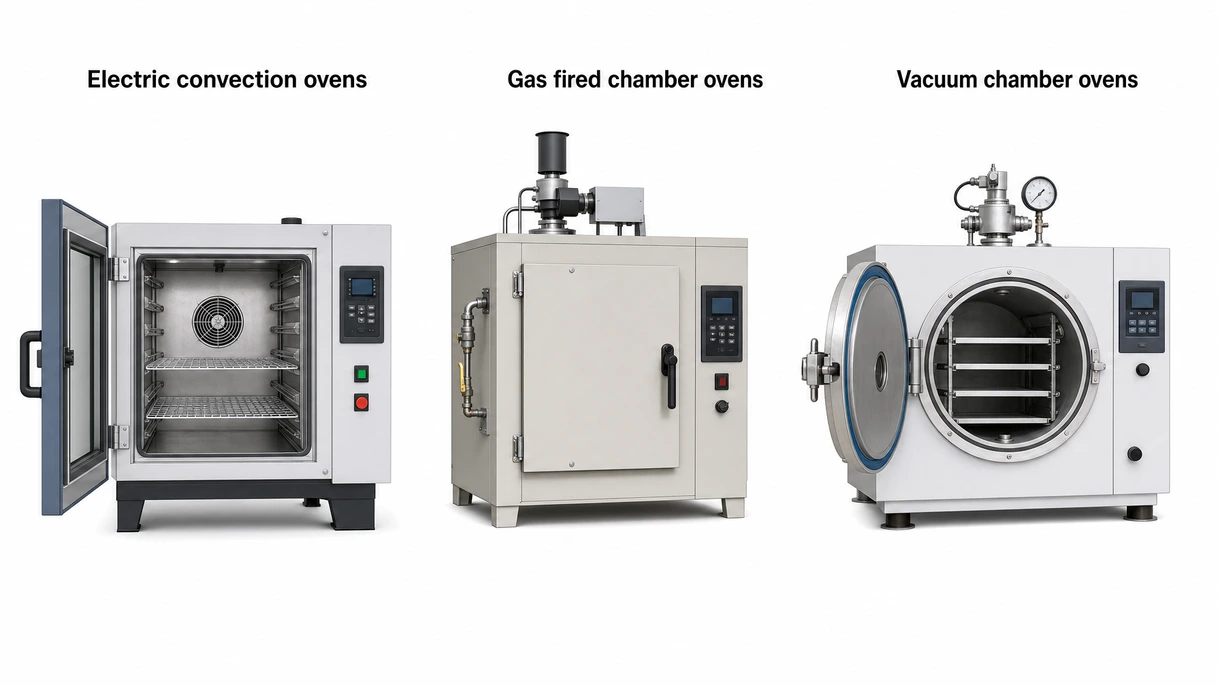
Electric convection ovens
These units use high-velocity fans to circulate air, providing superior temperature uniformity for drying. While efficient for low temperatures, they face limitations in rapid heating compared to radiant systems.
Gas fired chamber ovens
Natural gas or propane burners provide rapid thermal ramp rates and lower energy costs for heavy-duty tasks. These systems require complex venting but offer significant operational savings for high-volume production cycles.
Vacuum chamber ovens
Specialized units remove atmosphere to prevent oxidation and allow low-temperature boiling of solvents. They demand high maintenance of seals but are essential for high-purity material processing requirements.
6 expert tips
Prioritize models with high-grade mineral wool insulation to minimize thermal leakage and significantly reduce long-term industrial electricity costs.
Select integrated programmable controllers with data logging capabilities to ensure full traceability for stringent quality management system audits.
Evaluate internal airflow patterns to confirm that the convection system prevents cold spots during high-density loading of industrial parts.
Specify stainless steel interior liners to prevent corrosion and contamination when processing chemically active materials or high-moisture industrial loads.
Ensure the heating element configuration allows for easy maintenance access to minimize downtime during scheduled industrial repair intervals.
Always verify the technical certification to ensure compliance with local building safety standards and long-term durability.
Innovations and Trends
Combining infrared and convection technologies reduces cycle times by thirty percent while maintaining exceptional temperature uniformity for thick parts.
Remote monitoring and predictive maintenance sensors reduce unplanned downtime by detecting heating element degradation before a total failure occurs.
Lightweight vacuum-formed ceramic fibers improve thermal retention and structural integrity, lowering energy consumption by twenty percent in high-heat environments.
Transitioning to hydrogen fuel sources allows manufacturers to meet strict carbon emission regulations without sacrificing high-temperature industrial performance.
*Prices are pre-tax. They exclude delivery charges and customs duties and do not include additional charges for installation or activation options. Prices are indicative only and may vary by country, with changes to the cost of raw materials and exchange rates.
About DirectIndustry
DirectIndustry is a marketplace that offers B2B players a complete experience, from product sourcing to purchase. DirectIndustry is an entity of VirtualExpo Group.
Are you a buyer?
Are you a supplier?
About Us
- VirtualExpo Group
- Our Partners
- Recruitment
- Testimonials