
- Home page
- buying guide
- stationary compressor
stationary compressor
stationary compressor: A technical guide
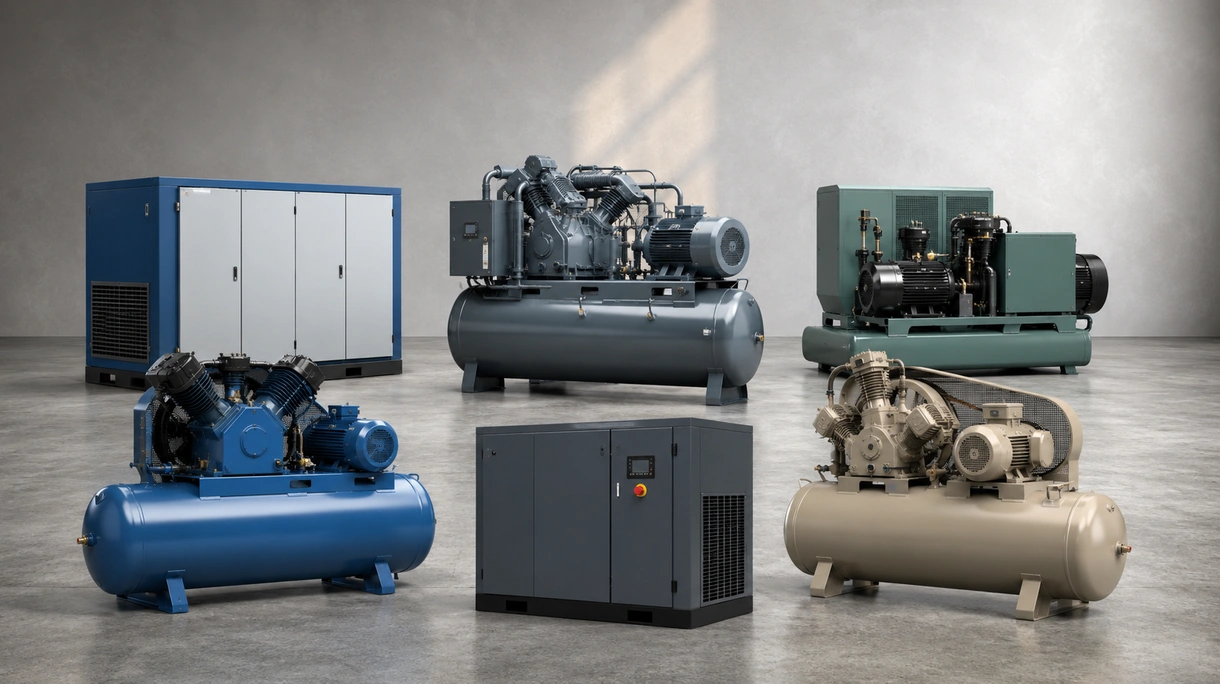
4 Criteria to choose your stationary compressor
Compressed air quality class
International purity standards determine suitability for sensitive pneumatic circuits or food-grade production environments to prevent downstream contamination.
Energy efficiency ratio
Specific energy requirements dictate long-term operational expenditure, emphasizing the necessity of variable speed technology for fluctuating plant demand.
Duty cycle requirements
Matching machine capacity to continuous or intermittent workloads ensures thermal stability and prevents premature mechanical component failure during operation.
Service maintenance accessibility
Strategic placement of internal components reduces downtime during scheduled inspections and facilitates rapid replacement of filters and lubricants.
Available technologies and advantages
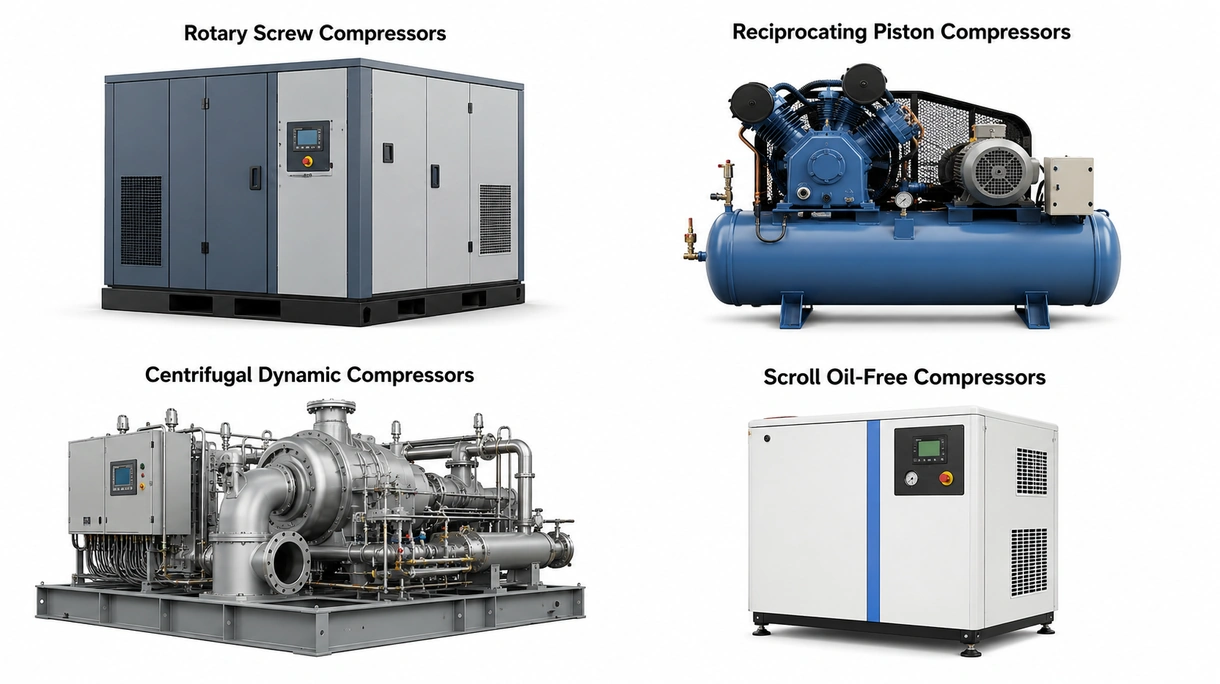
Rotary Screw Compressors
These units utilize twin meshing rotors for continuous, pulse-free air delivery in high-demand environments. They offer superior efficiency during constant operation but require sophisticated cooling systems and regular oil management.
Reciprocating Piston Compressors
Piston technology uses cylinders and valves to reach high pressures, ideal for intermittent heavy-duty tasks. While cheaper initially, they generate significant heat, noise, and vibration compared to rotary alternatives.
Centrifugal Dynamic Compressors
These high-capacity machines convert kinetic energy into pressure for massive air volumes. They are best for large-scale industrial plants needing oil-free air, though they involve high capital investment and complex control systems.
Scroll Oil-Free Compressors
Using interleaving spirals, these provide clean air for laboratories and electronics. They offer quiet operation and minimal maintenance but have limited capacity compared to screw or centrifugal designs.
6 expert tips
Evaluate initial purchase price against cumulative energy consumption and maintenance expenses over a decade of use to ensure profitability.
Install multiple smaller units rather than a single large compressor to ensure continuous production during maintenance or unexpected breakdowns.
Prioritize models with built-in dryers and filtration systems to minimize installation footprint and ensure immediate pneumatic air quality.
Implement variable speed drive motors to match power consumption exactly with real-time air demand, significantly reducing electrical overheads.
Select units with cloud-connected telemetry to track performance metrics and enable predictive maintenance schedules based on actual usage.
Assess noise emission levels against workshop safety regulations to determine if integrated sound enclosures or dedicated plant rooms are necessary.
Always verify the technical certification to ensure compliance with local building safety standards and long-term durability.
Innovations and Trends
Integrated heat exchangers recapture thermal energy from the compression process to provide carbon-neutral hot water for facility heating.
Machine learning algorithms analyze vibration and temperature data to forecast component failure before it impacts production uptime.
Advanced water-cooled screw elements eliminate the risk of hydrocarbon contamination while maintaining the thermal efficiency required for sensitive processes.
Adoption of high-efficiency permanent magnet motors reduces the carbon footprint and electrical losses in modern stationary air systems.
*Prices are pre-tax. They exclude delivery charges and customs duties and do not include additional charges for installation or activation options. Prices are indicative only and may vary by country, with changes to the cost of raw materials and exchange rates.
About DirectIndustry
DirectIndustry is a marketplace that offers B2B players a complete experience, from product sourcing to purchase. DirectIndustry is an entity of VirtualExpo Group.
Are you a buyer?
Are you a supplier?
About Us
- VirtualExpo Group
- Our Partners
- Recruitment
- Testimonials