
- Home page
- buying guide
- gate valve
gate valve
gate valve: A technical guide
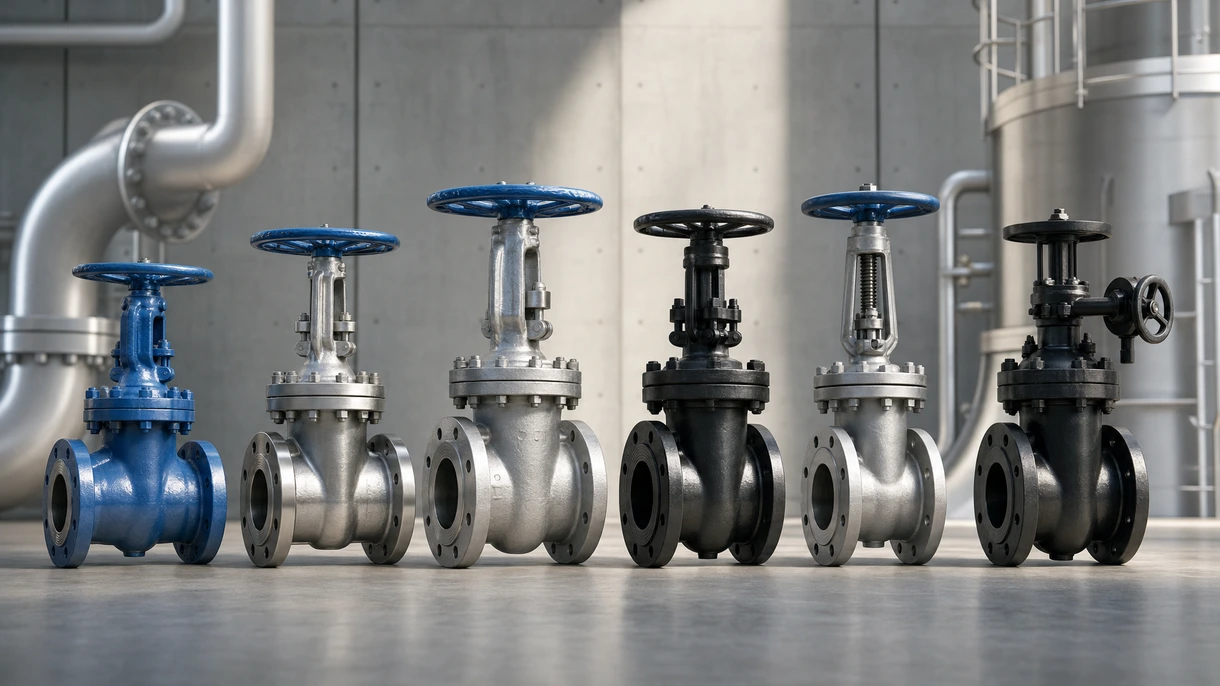
4 Criteria to choose your gate valve
Pressure and temperature ratings
These parameters determine the mechanical integrity of the valve body and seals under extreme operational thermal and hydraulic stresses.
Material chemical compatibility
Selecting alloys resistant to corrosion prevents premature structural failure and contamination when transporting aggressive industrial fluids or slurry media.
Sealing mechanism design
The choice between wedge or parallel discs affects the valve's ability to provide bubble-tight shutoff in varying pressure conditions.
Actuation and connection type
Integration with existing control systems requires precise matching of manual, electric, or pneumatic actuators to the valve stem interface.
Available technologies and advantages
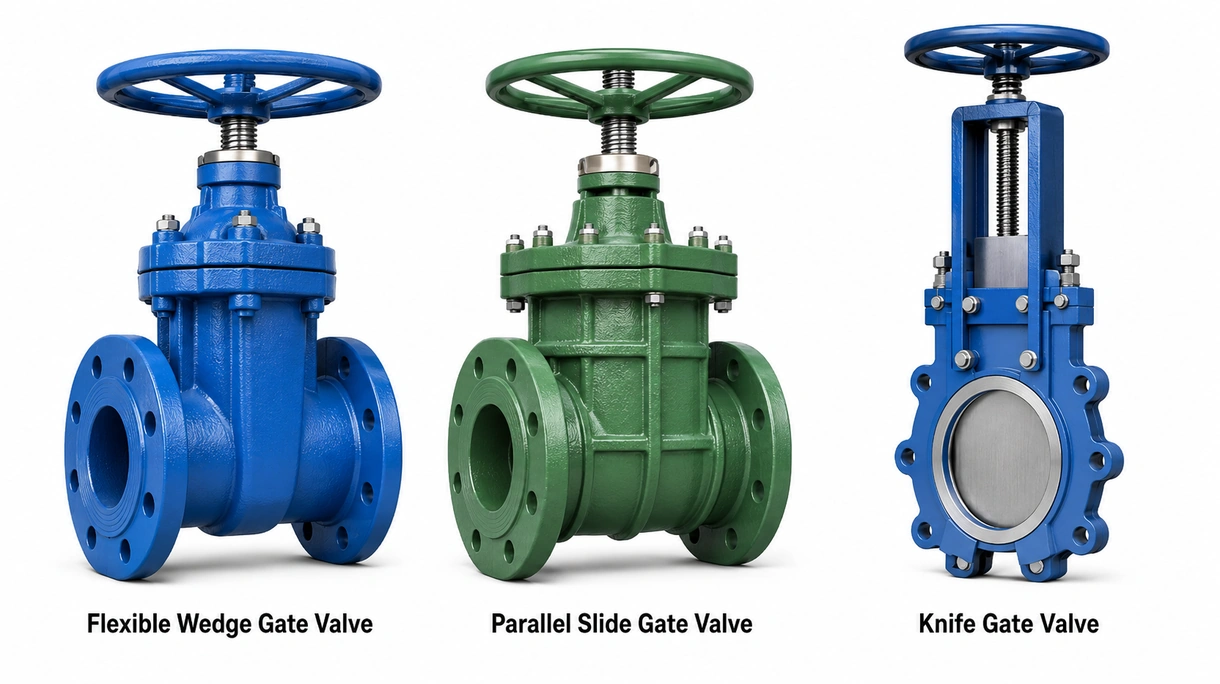
Flexible Wedge Gate Valves
This design features a one-piece disc with a cut around the perimeter to allow for better seating alignment. Advantages include improved sealing performance and resistance to thermal binding, though high-pressure friction remains an operational trade-off.
Parallel Slide Gate Valves
Utilizing two flat discs pushed apart by a spring, these valves excel in high-temperature steam applications without jamming. They offer low operating torque and superior seat life but may struggle with low-pressure sealing efficiency.
Knife Gate Valves
Designed with a sharp edge to cut through thick fluids and solids, these are essential for pulp and paper. While excellent for slurries, they are generally limited to low-pressure systems and unidirectional flow configurations.
6 expert tips
Prioritize valves with extended service intervals to reduce the long-term financial burden of frequent downtime and component replacement.
Select low-leakage packing designs to meet international environmental standards and avoid costly regulatory fines in chemical processing plants.
Verify standardized dimensions to ensure seamless replacement and minimize modification costs during critical infrastructure upgrades or maintenance shutdowns.
Demand mill test reports to confirm alloy purity and ensure the hardware can withstand the specific corrosive environment.
Calculate the necessary torque for automated systems to prevent actuator overload and ensure reliable remote operation during emergencies.
Choose designs with top-entry access to facilitate faster repairs and reduce labor costs during scheduled industrial piping inspections. Always verify the technical certification to ensure compliance with local building safety standards and long-term durability.
Innovations and Trends
Embedded IoT sensors provide real-time data on valve position and seal integrity to enable predictive maintenance strategies effectively.
Innovative stem sealing materials significantly reduce VOC leaks to comply with tightening global environmental and safety industrial regulations.
Production of internal components via metal printing allows for optimized fluid flow paths and reduced weight without compromising strength.
Application of ceramic or metallic nanocoatings increases wear resistance and extends the service life of valves in abrasive environments.
*Prices are pre-tax. They exclude delivery charges and customs duties and do not include additional charges for installation or activation options. Prices are indicative only and may vary by country, with changes to the cost of raw materials and exchange rates.
About DirectIndustry
DirectIndustry is a marketplace that offers B2B players a complete experience, from product sourcing to purchase. DirectIndustry is an entity of VirtualExpo Group.
Are you a buyer?
Are you a supplier?
About Us
- VirtualExpo Group
- Our Partners
- Recruitment
- Testimonials