
- Home page
- buying guide
- plunger pump
plunger pump
plunger pump: A technical guide
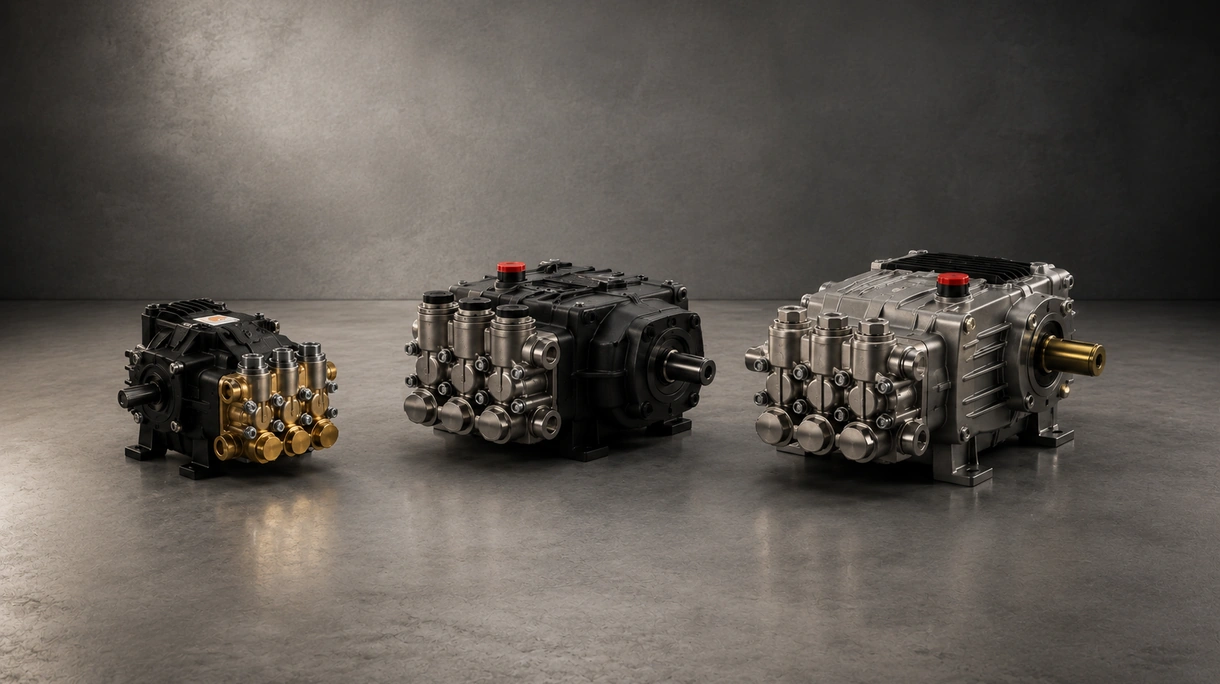
4 Criteria to choose your plunger pump
Maximum discharge pressure
Evaluates the system's ability to handle high-pressure tasks like waterjet cutting or heavy-duty industrial cleaning without mechanical failure.
Fluid chemical compatibility
Determines material selection for seals and plungers to prevent corrosion or erosion when handling aggressive industrial process chemicals.
Volumetric efficiency rating
Measures the actual flow rate against theoretical displacement, critical for maintaining precise dosing and reducing energy waste during operation.
Maintenance interval requirements
High-frequency cycles demand durable packing designs to extend service life and minimize costly downtime in continuous production environments.
Available technologies and advantages
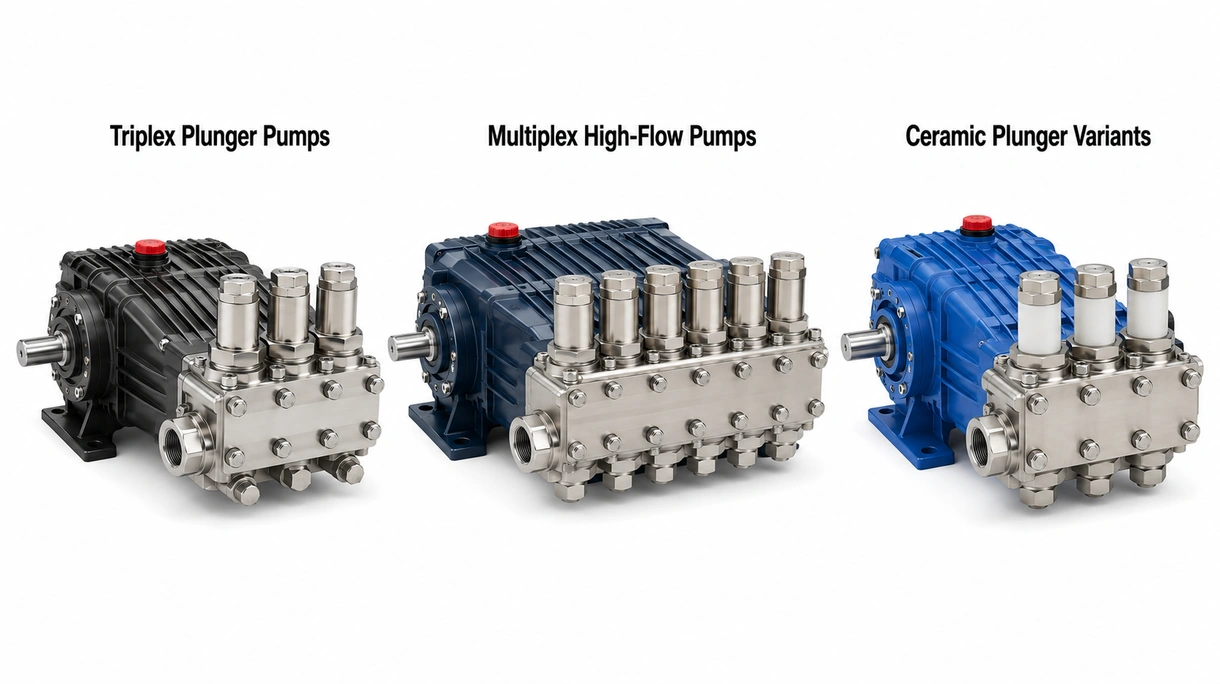
Triplex Plunger Pumps
These utilize three plungers to minimize pressure pulsations and provide a smooth, continuous flow for heavy industrial applications. High mechanical efficiency makes them ideal for high-pressure washing and continuous process manufacturing systems.
Multiplex High-Flow Pumps
Incorporating five or more plungers allows for significantly higher flow rates while further reducing vibrational stress on piping. These are strategically relevant for massive industrial scales where volume and extreme pressure must coexist.
Ceramic Plunger Variants
Featuring advanced ceramic plungers, these units offer superior wear resistance against abrasive fluids compared to standard stainless steel. While more expensive, they significantly reduce replacement frequency in mining and heavy chemical transport applications.
6 expert tips
Always verify the technical certification to ensure compliance with local building safety standards and long-term durability.
Prioritize modular manifold designs to simplify internal component access and reduce the mean time to repair during maintenance cycles.
Select materials with specific coatings like tungsten carbide to withstand high-velocity particulate erosion in abrasive fluid handling environments.
Calculate the total cost of ownership including energy consumption and seal kits rather than focusing only on purchase price.
Evaluate the availability of local spare parts inventories to prevent prolonged production stoppages when critical seals require immediate replacement.
Specify integrated dampeners to protect downstream instrumentation from pressure surges caused by the reciprocating motion of the plungers.
Innovations and Trends
Integration of vibration and temperature sensors enables predictive maintenance to prevent catastrophic pump failure and optimize service schedules.
Variable speed drives combined with digital controllers adjust flow in real-time to match process demand and save energy.
Development of high-performance non-toxic packing materials ensures compliance with stricter environmental regulations regarding chemical leakage and contamination.
Utilizing 3D-printed internal components allows for optimized flow geometries that reduce turbulence and improve overall hydraulic efficiency.
*Prices are pre-tax. They exclude delivery charges and customs duties and do not include additional charges for installation or activation options. Prices are indicative only and may vary by country, with changes to the cost of raw materials and exchange rates.
About DirectIndustry
DirectIndustry is a marketplace that offers B2B players a complete experience, from product sourcing to purchase. DirectIndustry is an entity of VirtualExpo Group.
Are you a buyer?
Are you a supplier?
About Us
- VirtualExpo Group
- Our Partners
- Recruitment
- Testimonials