


- Company
- Products
- Catalogs
- News & Trends
- Exhibitions
Electrically-powered hydraulic power unit 3520 series low-noise

Add to favorites
Compare this product
Characteristics
- Power source
- electrically-powered
- Other characteristics
- low-noise
- Operating pressure
210 bar, 280 bar
(3,046 psi, 4,061 psi)- Nominal power
15 kW, 22 kW, 45 kW
(20.39 hp, 29.91 hp, 61.18 hp)
Description
The Perfect Partner for Your Servohydraulic Test System
Instron®’s 3520 series allows you to configure a Hydraulic Power Unit (HPU) to meet all your testing requirements and site conditions with unsurpassed efficiency and low environmental impact. They are used to provide varying flow rates of hydraulic oil at high pressure and are compatible with the full range of Instron’s Servohydraulic Dynamic and Fatigue Testing Systems. The 3520 Series includes model variants producing 210 bar or 280 bar and flow rates from 27 to 118L/min (7.1 to 31.2 GPM).
Benefits
Low Noise Levels: Acoustic attenuation system providing noise levels of 58 - 63 dB (A)*.
Low Operating and Power Costs:
The pressure-compensated variable flow pump configuration ensures operating costs are maintained with test flow demand. Combined with high-efficiency Class 1 motors, power costs are kept to an absolute minimum.
*dB (A) is a measurement of the sound pressure level (units Decibel, dB), weighted to suit the normal frequency response of the human ear. It is expressed in free field (open) conditions, and therefore readings may vary within the installed environment.


Other Instron products
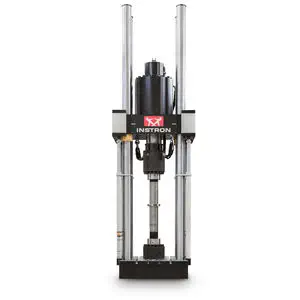
Dynamic and Fatigue Systems




*Prices are pre-tax. They exclude delivery charges and customs duties and do not include additional charges for installation or activation options. Prices are indicative only and may vary by country, with changes to the cost of raw materials and exchange rates.
About DirectIndustry
DirectIndustry is a marketplace that offers B2B players a complete experience, from product sourcing to purchase. DirectIndustry is an entity of VirtualExpo Group.
Are you a buyer?
Are you a supplier?