|
|
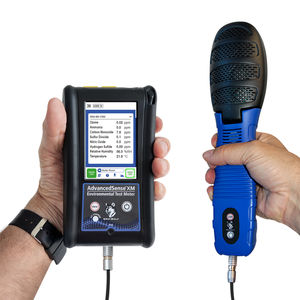
Many different gases can be detected and monitored:-
Flammable gases such as Methane & LPG
Carbon Dioxide
Refrigerant gases such as modern "Freons" and their replacements
Alcohols
"Greenhouse" gases
Combustion products such as Carbon Monoxide and Nitrogen Oxides
Oxygen
Ozone
Toxic gases such as Ammonia, Hydrogen sulphide and Carbon Monoxide
Ozone |
|
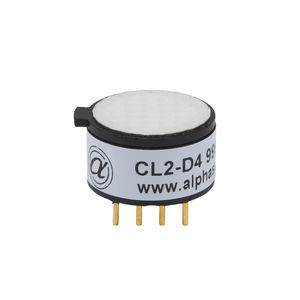
Electrochemical detectors
Design does matter: a bigger sensor means bigger electrodes and more electrolyte, hence
faster response
higher accuracy
more stability
longer life
The smart DraegerSensor with embedded micro-chip and temperature element supports sensor recognition, numerous selftest functions, remote calibration and signal compensation over the entire temperature range of typically -40 to +65 ºC.
|
|
| The Model TS4000 Intelligent Toxic Manufacturers of gas detector continuously professional monitors toxic gases in the ppm range or oxygen deficiency, delivering highly accurate detection and protection. The unit features one person calibration and can virtually self-calibrate by simply activating a magnetic contactor and applying gas. It provides status indication and alarm outputs. |
|
J. Dittrich Elektronic gas industrial measuring systems for toxic gases and vapors determine the concentration of toxic gases and vapors in the air mixture at an ambient temperature of -10 to +50° C.
Specific electrochemical transducers measure ammonia (NH3), chlorine (Cl2), carbon monoxide (CO), oxygen (O2), hydrogen sulphide (H2S), nitrogen dioxide (NO2) and nitrogen monoxide (NO) in the ppm range.
The sensors are calibrated with the help of the respective test gas using a potentiometer; there is no or only negligible cross-sensitivity to other substances. |
|
Industrial gas detectors E2606 are intended for air quality monitoring - control of toxic gas and oxygen concentration and prevention of gas leaks in confined spaces.
Depending on version the gas detector E2606 uses either advanced metal-oxide semiconductor or an electrochemical gas transducer. Concentration of toxic (carbon monoxide, VOC, freons, ammonia,H2S etc) gases or oxygen deficiency can be measured.
- Measuring range 0..5 %vol.
- Temperature range -20..+50 °C
- Output relay 230 VAC, 8A
- Supply 230 VAC or 24 VDC
- Diffusion, flow-through and remote sensor versions
- Visual and audible alarms, adjustable output relay
- Linearized analog output 4-20 mA
- RS485 Modbus RTU interface option for direct Fieldbus networking
- Wall-mount |
|
MSA provides detectors for continuous monitoring of virtually all hazards of combustible atmospheres, toxic gases, oxygen deficieny and fire using detection methods that best suit your application.
|
|
Gas detection : O2, H2S, NH3, CO, NO, NO2, H2, SO2, Cl2, HCl, HCN…
The modern technologies used offer a high resistance to the humidity and temperature compensation as well as stability over time. In order to meet every requirement, SIMRAD Optronics ICARE proposes two different detection technologies :
• Electrochemical cells enabling a wide detection range and excellent selectivity.
• Semi-conductor cells providing extended detector lifetime.
The interchangeable and removable cartridge along with the wall mounting,
independent from the electronic housing, make this detector particularly simple to use.
• NH3 detection, low temperature
To meet needs of cold chains, a low temperature version enables detection down to -40°C. |
|
| Dräger's product range covers a wide variety of types: electrochemical, catalytical or infra-red IR sensor technology point or open path detection intrinsically safe or explosion proof analog 4 to 20 mA, digital HART or RS 485 signal output with or without local display with or without on-board relays low budget or high end equipment Your local representative will gladly help you determine the right product for your application. |
|
| ... products without technical information |
| |
| ... products without technical information |
| |
|
|