
- Home page
- buying guide
- butterfly valve
butterfly valve
butterfly valve: A technical guide
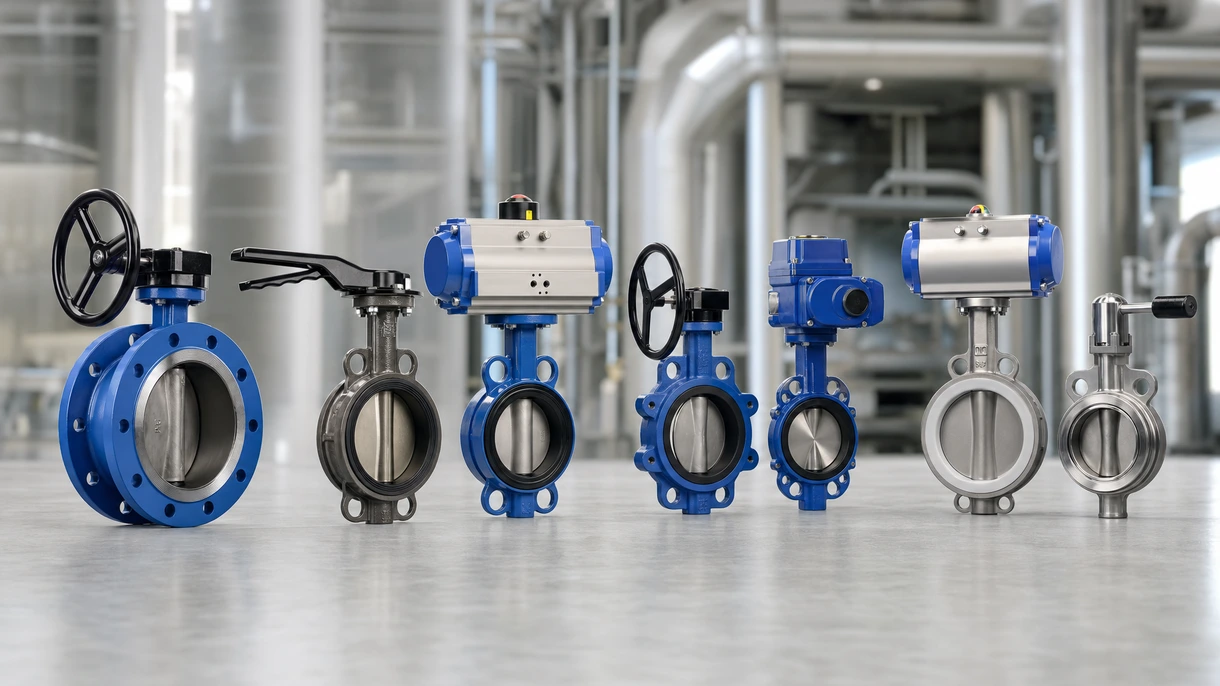
4 Criteria to choose your butterfly valve
Media chemical compatibility
Selecting body and seat materials like EPDM or PTFE ensures longevity against corrosive chemicals or high-temperature industrial fluids.
Pressure drop limits
High flow coefficients minimize energy loss across the valve, critical for maintaining system efficiency in large-scale piping networks.
Sealing performance requirements
Zero-leakage bidirectional shut-off is essential for safety and process integrity in pressurized chemical and industrial water treatment systems.
Actuation torque demand
Precise torque calculations determine actuator sizing, directly affecting response times and the overall reliability of automated control loops.
Available technologies and advantages
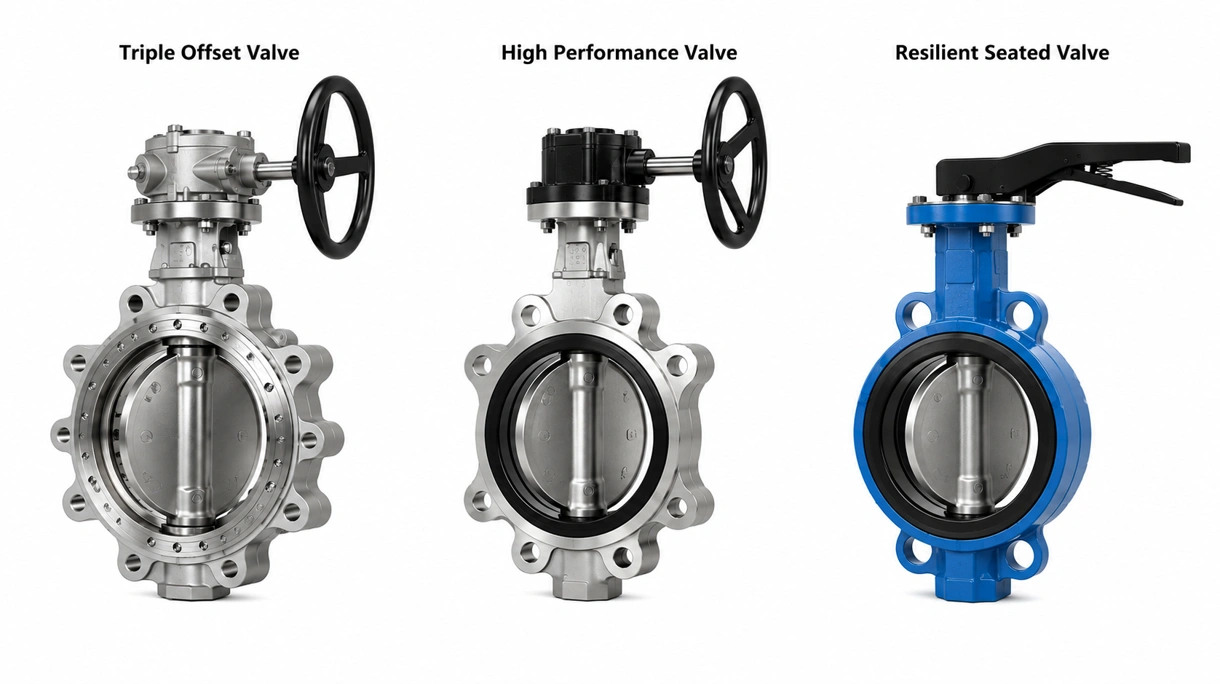
Triple offset valves
These valves employ a unique metal-to-metal seat with three distinct offsets to eliminate all friction during the entire opening and closing cycle.
Triple offset valves
Superior durability and fire-safe certification justify the high cost for critical applications where elastomer seals would melt or degrade.
High performance valves
Featuring a double-offset disc geometry, these units minimize seat friction compared to concentric designs during high-cycle operations in demanding steam services.
High performance valves
They provide extended service life and better throttling capability although they require more precise alignment during installation and maintenance.
Resilient seated valves
This design utilizes an elastomer liner to create a tight seal against a rotating disc within low-pressure industrial systems compared to metal seated alternatives.
Resilient seated valves
These models offer cost-effective bubble-tight shut-off for water applications but fail under high temperatures or harsh chemical exposure.
6 expert tips
Prioritize triple-offset designs for high-pressure steam applications to eliminate seat wear and ensure long-term bubble-tight sealing performance.
Conduct a comprehensive financial review including maintenance frequency rather than focusing solely on the initial procurement price.
Select hardware with ISO five-two-one-one pads to simplify actuator replacement and ensure global component compatibility.
Utilize lug body designs instead of wafer types when downstream piping requires removal while the system remains pressurized.
Always verify the technical certification to ensure compliance with local building safety standards and long-term durability.
Align the specific actuator speed and safety factors with the dynamic friction characteristics of the processed medium.
Innovations and Trends
Integrate IoT sensors for real-time health monitoring and predictive maintenance to reduce unplanned facility downtime.
Provide superior abrasion resistance in mining and slurry applications, extending the operational life of valves.
Allow for optimized internal geometries that reduce turbulence and cavitation during high-velocity fluid transport.
Meet strict environmental regulations by significantly reducing fugitive VOC emissions in volatile chemical processing plants.
*Prices are pre-tax. They exclude delivery charges and customs duties and do not include additional charges for installation or activation options. Prices are indicative only and may vary by country, with changes to the cost of raw materials and exchange rates.
About DirectIndustry
DirectIndustry is a marketplace that offers B2B players a complete experience, from product sourcing to purchase. DirectIndustry is an entity of VirtualExpo Group.
Are you a buyer?
Are you a supplier?
About Us
- VirtualExpo Group
- Our Partners
- Recruitment
- Testimonials