
- Home page
- buying guide
- laser cutting machine
laser cutting machine
laser cutting machine: A technical guide
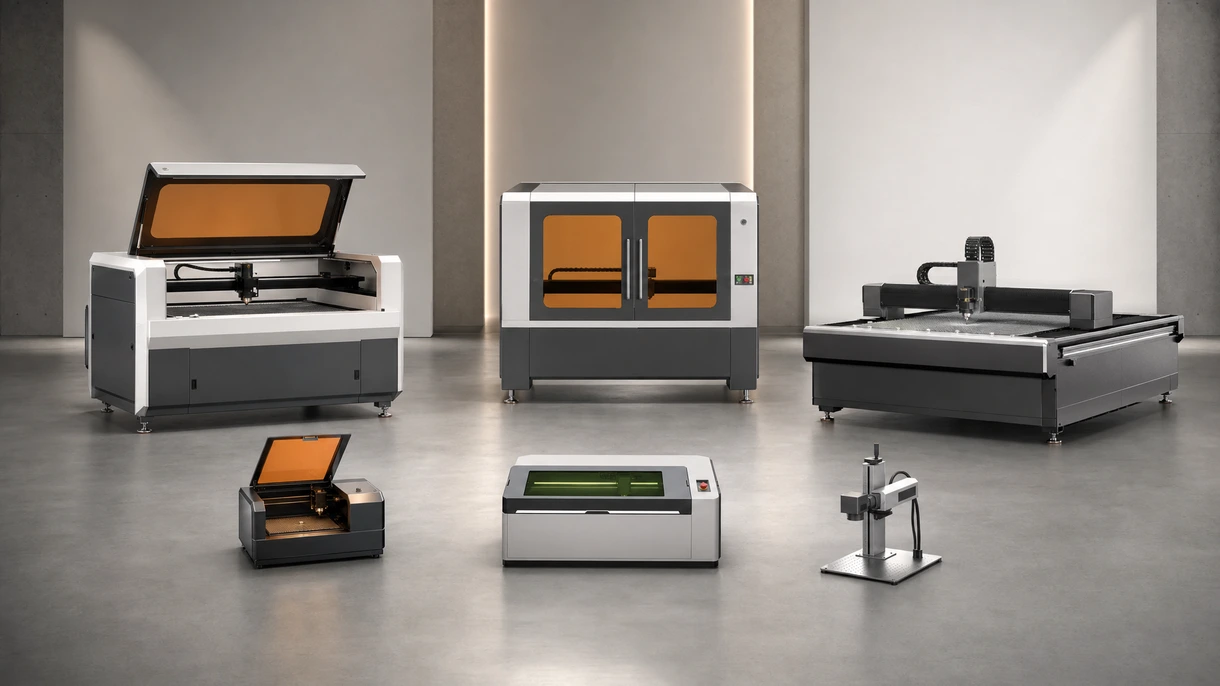
4 Criteria to choose your laser cutting machine
Beam Source and Power
Higher wattage dictates maximum material thickness and processing speeds essential for maintaining throughput in high-volume industrial production cycles.
Positioning Accuracy and Repeatability
Precision determines the tolerance levels for intricate geometries, reducing waste and ensuring consistency across large industrial manufacturing batches.
Dynamic Acceleration and Speed
High acceleration rates minimize cycle times on complex paths, directly impacting the overall productivity and cost-per-part in fabrication.
Automated Material Handling Integration
Seamless integration with loading systems reduces labor costs and downtime, maximizing machine utilization during intensive multi-shift industrial operations.
Available technologies and advantages
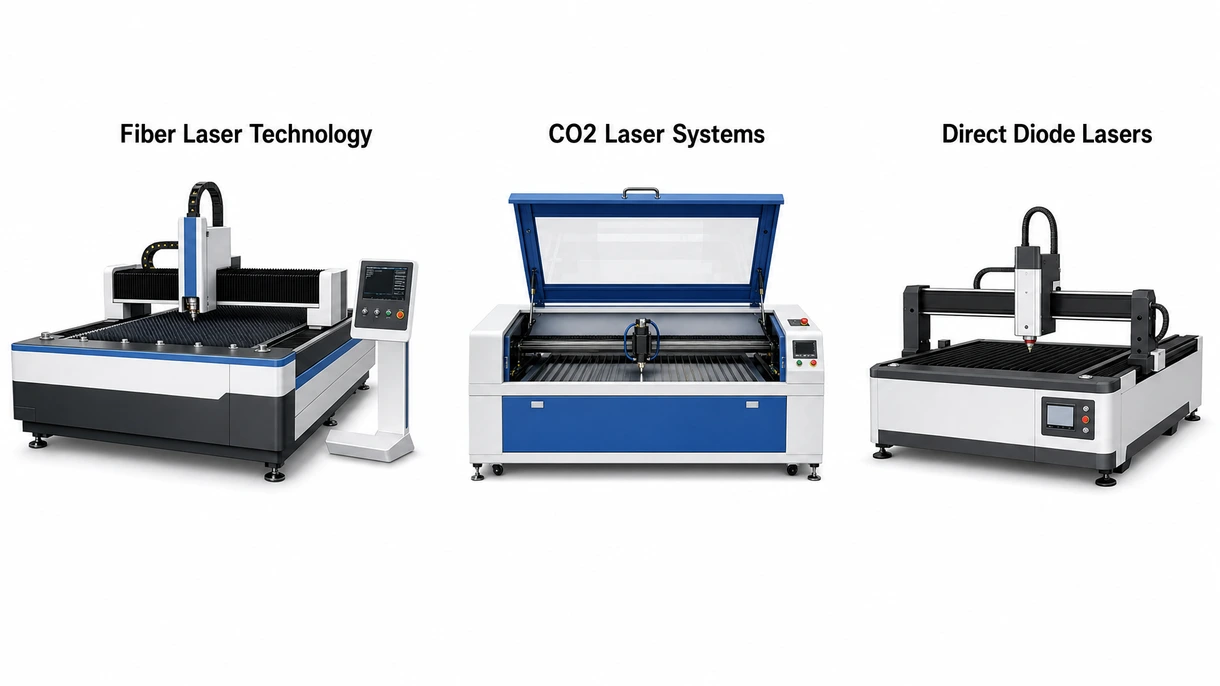
Fiber Laser Technology
Fiber lasers utilize solid-state diodes for light amplification, offering superior energy efficiency and speed for thin metals. They provide low maintenance but have limitations with specific reflective non-ferrous materials.
CO2 Laser Systems
CO2 lasers utilize gas mixtures, excelling in cutting thicker materials and providing smoother edge finishes. They are versatile but require higher energy consumption and frequent optical alignment and maintenance.
Direct Diode Lasers
Direct diode systems bypass fiber mediums to achieve higher efficiency and absorption in reflective metals. They offer rapid processing but currently represent a higher initial capital investment for fabrication shops.
6 expert tips
Prioritize fiber sources over CO2 for thin sheet metal to achieve higher throughput and lower electricity costs.
Select machines with automated nozzle changers to minimize manual intervention and increase uptime during diverse production runs.
Calculate total cost of ownership by including annual maintenance contracts and projected consumable usage over five years.
Verify the structural rigidity of the machine bed to ensure long-term accuracy under high acceleration and workloads.
Assess the availability of local technical support and spare parts inventory to mitigate risks of extended production downtime.
Always verify the technical certification to ensure compliance with local building safety standards and long-term durability.
Innovations and Trends
Optimizes the energy distribution in real-time to improve edge quality on thick plate sections.
Automatically detect material grain and defects to reduce scrap rates and improve part nesting efficiency.
Allows fiber lasers to compete with plasma for heavy plate cutting while maintaining superior precision.
Systems reduce standby energy consumption to comply with tightening European industrial carbon footprint regulations.
*Prices are pre-tax. They exclude delivery charges and customs duties and do not include additional charges for installation or activation options. Prices are indicative only and may vary by country, with changes to the cost of raw materials and exchange rates.
About DirectIndustry
DirectIndustry is a marketplace that offers B2B players a complete experience, from product sourcing to purchase. DirectIndustry is an entity of VirtualExpo Group.
Are you a buyer?
Are you a supplier?
About Us
- VirtualExpo Group
- Our Partners
- Recruitment
- Testimonials