
- Home page
- buying guide
- machining center
machining center
machining center: A technical guide
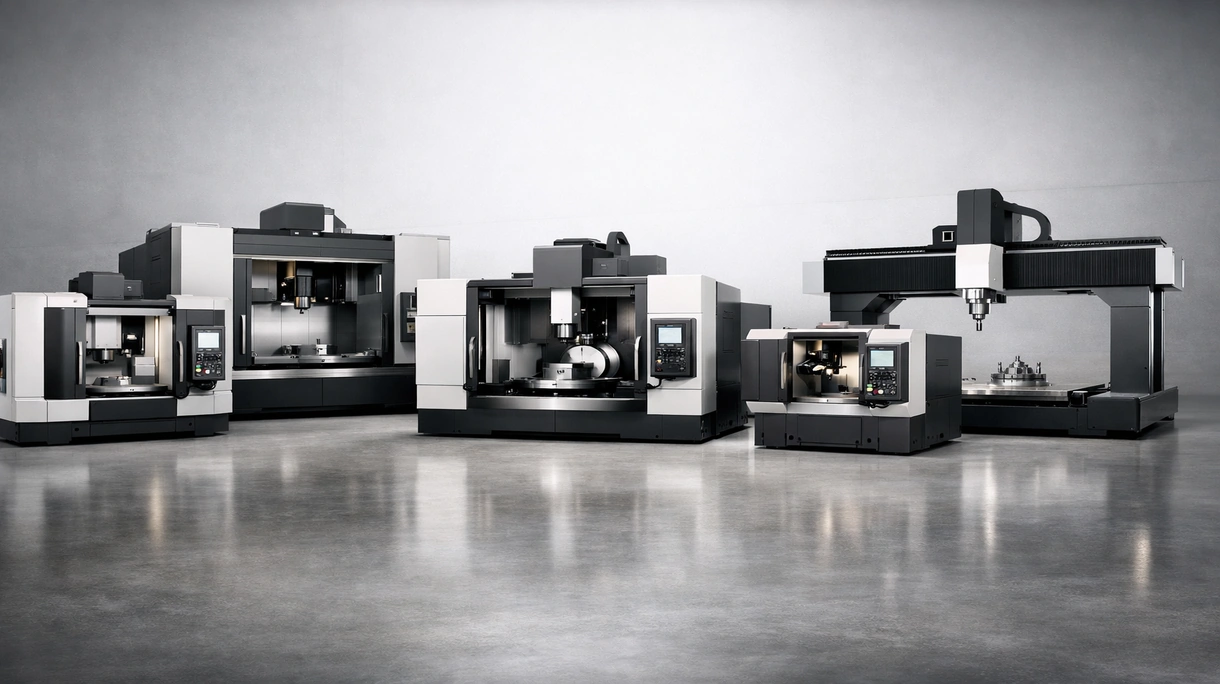
4 Criteria to choose your machining center
Positional Accuracy and Repeatability
Ensures tight tolerances for critical aerospace components while maintaining consistency throughout long production cycles to minimize scrap rates.
Spindle Power and Torque
Determines the capacity to machine tough alloys like titanium or hardened steel at high material removal rates for productivity.
Axis Travel and Speed
Defines maximum workpiece dimensions and rapid traverse rates which directly influence cycle times and overall shop floor throughput levels.
Control System Processing Speed
Affects the ability to execute complex tool paths smoothly during high-speed surfacing without causing surface finish irregularities or errors.
Available technologies and advantages
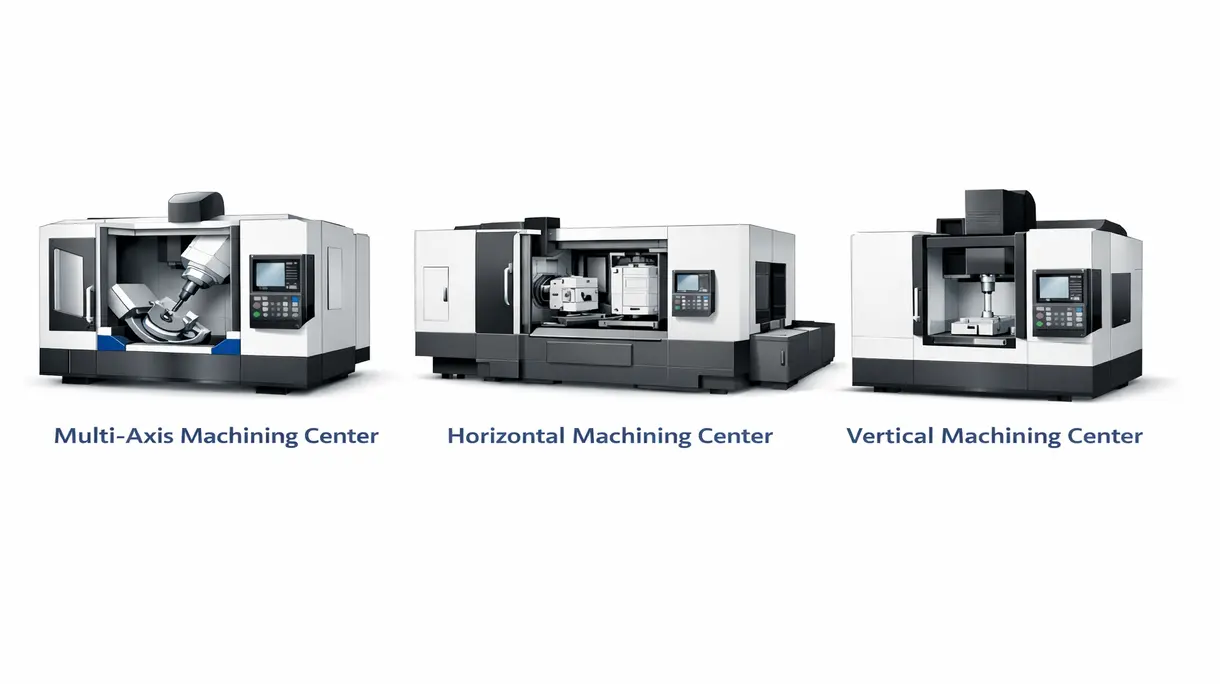
Multi-Axis Machining Centers
provide simultaneous tool movement to machine complex angles in one setup. This reduces manual handling and improves accuracy while increasing programming complexity and initial procurement costs.
Horizontal Machining Centers
feature horizontal spindles and integrated pallet changers to improve chip flow and spindle utilization. They offer higher throughput for high-volume production but require significantly more floor space.
Vertical Machining Centers
employ vertical spindles for prismatic parts, offering superior accessibility and lower costs. However, poor chip evacuation in deep cavities necessitates frequent operator intervention compared to horizontal designs.
6 expert tips
Prioritize machines with integrated pallet changers to maximize spindle utilization and reduce idle time during loading and unloading cycles.
Evaluate the spindle thermal compensation systems to maintain dimensional stability during continuous multi-shift operations across varying ambient workshop temperatures.
Assess the dynamic stiffness of the machine structure to ensure vibration-free cutting performance when processing high-strength industrial metal alloys.
Inspect the chip conveyor capacity and coolant filtration systems to prevent blockages during intensive material removal and high-volume manufacturing.
Calculate the total cost of ownership including energy consumption and routine maintenance requirements over a five-year operational lifecycle period.
Always verify the technical certification to ensure compliance with local building safety standards and long-term durability.
Innovations and Trends
Leverages real-time sensor data to predict tool wear and optimize cutting parameters for a ten percent productivity increase.
Allows for virtual verification of complex tool paths to eliminate physical collisions and reduce setup times by half.
Monitor power consumption during idle times to comply with evolving ISO environmental standards and reduce operational costs.
Combines laser cladding with subtractive milling to produce complex metal parts with significant reduction in material waste.
*Prices are pre-tax. They exclude delivery charges and customs duties and do not include additional charges for installation or activation options. Prices are indicative only and may vary by country, with changes to the cost of raw materials and exchange rates.
About DirectIndustry
DirectIndustry is a marketplace that offers B2B players a complete experience, from product sourcing to purchase. DirectIndustry is an entity of VirtualExpo Group.
Are you a buyer?
Are you a supplier?
About Us
- VirtualExpo Group
- Our Partners
- Recruitment
- Testimonials