

- Packaging - Logistics - Handling
- Handling and Lifting
- Transfer cart
- Henan Peisa Machinery Co., Ltd

- Company
- Products
- Catalogs
- News & Trends
- Exhibitions
Transfer cart DWPplatformelectricmagnetic


Add to favorites
Compare this product
Characteristics
- Type
- transfer
- Structure
- platform
- Other characteristics
- electric, magnetic
- Carrying capacity
Min.: 1 t
(1 us ton)Max.: 200 t
(220 us ton)
Description
Drive System:
Electric non-rail flat cars are powered by electric drive systems, typically consisting of motors, batteries, and control systems.
The drive system allows for flexible and precise control over the movement of the flat car.
Navigation System:
These flat cars often employ advanced navigation systems for movement within the facility. Common navigation methods include laser guidance, magnetic guidance, inertial guidance, or vision-based systems.
The navigation system enables the flat car to follow predefined paths, avoid obstacles, and navigate efficiently through the workspace.
Load Capacity:
Electric non-rail flat cars come in various load capacities to accommodate different material handling requirements. Load capacity may range from a few hundred kilograms to several tons, depending on the specific model.
Flat Platform:
The flat car typically features a level platform or cargo area for placing goods, materials, or equipment. The platform design allows for flexibility in accommodating various types of cargo.
Battery System:
Most electric non-rail flat cars are equipped with onboard battery systems. The batteries provide the necessary power for the electric motors and are rechargeable to ensure continuous operation.
Control System:
A control system manages the movement, speed, and direction of the flat car. This can include manual controls, remote control options, or automated systems that follow predetermined routes or respond to real-time conditions.
VIDEO
Catalogs
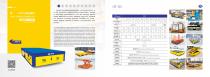
DWP
1 Pages

Product Catalog
32 Pages
Other Henan Peisa Machinery Co., Ltd products
Electric Transfer Cart


*Prices are pre-tax. They exclude delivery charges and customs duties and do not include additional charges for installation or activation options. Prices are indicative only and may vary by country, with changes to the cost of raw materials and exchange rates.