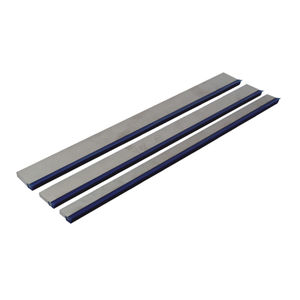
Foamed rubber strips are industrial protective components made of foamed rubber, combining cushioning, impact protection, and sealing functions. They are primarily used in the machine tool, sheet metal, and solar energy industries. Their core functions include absorbing impact energy, preventing liquid and gas leakage, protecting sheet metal edges, and reducing the risk of damage to equipment and structures during operation or installation.
Compared to solid rubber strips, foamed structures offer superior compression resilience and sealing fit, making them particularly suitable for applications requiring cushioning or uneven contact surfaces.
In what situations is it appropriate to use rubber foam shaped strips?
In practical industrial and equipment applications, rubber foam profiled strips are particularly suitable for the following situations:
1. Equipment or structures requiring collision protection and cushioning
2. Joints needing to prevent liquid or gas leakage
3. Sheet metal edges needing protection to avoid scratching personnel or parts
4. Outdoor equipment or equipment exposed to UV radiation for extended periods
5. Standard sealing strips unable to fit uneven structures. The foamed structure can rebound after compression, improving sealing stability and service life.
Structural and Material Design Specifications
Customized rubber foam strips can be made in terms of materials and structure to suit different applications. Key design features include:
1. Main Material: Foam Rubber
2. Common Material Options (selectable based on requirements):
2-1. EPDM Foam Rubber (weather resistant, UV resistant, suitable for outdoor use)