


Counter-rotating twin-screw extruder PESrecycling

Add to favorites
Compare this product
Characteristics
- Number of screws
- counter-rotating twin-screw
- Applications
- recycling
- Output
3,500 kg/h
(7,716.1792 lb/h)- Screw diameter
Min.: 60 mm
(2.4 in)Max.: 100 mm
(3.9 in)
Description
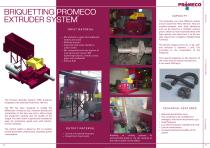
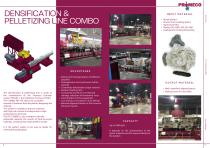
The Promeco Extruder System® (PES) produces briquettes with diameter from 60 to 100 mm.
The PES has been designed to handle the differences of waste as size, moisture, density and composition in the best way and is able to keep the production capacity and the quality of the output. The main motor is generously oversized to keep the production speed even with hard-to-process materials.
The control system is based on PLC to monitor several parameters continuously, expecially power consumption.
INPUT MATERIAL
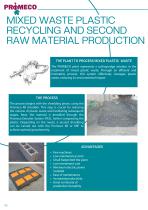
Mix of plastics, paper and cardboard, textiles and wood
MSW dry fraction
Industrial solid waste (similar to urban waste)
Mix composed by the dry fraction of municipal waste used as RDF (lightweight plastics, textiles, wood, paper and cardboard)
ASR Car fluff
OUTPUT MATERIAL
Second raw material briquettes
Briquettes of mixed waste
TECHNICAL FEATURES
Reduced densification time
Few machines to be installed and managed, with lower investment costs
Small footprint
Low electrical power installed and used
Ease of mainteinance
Increased yield and versatility of the system
*Prices are pre-tax. They exclude delivery charges and customs duties and do not include additional charges for installation or activation options. Prices are indicative only and may vary by country, with changes to the cost of raw materials and exchange rates.
About DirectIndustry
DirectIndustry is a marketplace that offers B2B players a complete experience, from product sourcing to purchase. DirectIndustry is an entity of VirtualExpo Group.
Are you a buyer?
Are you a supplier?