HATTORI SEISAKUSHO CO.,LTD.
Who are we?
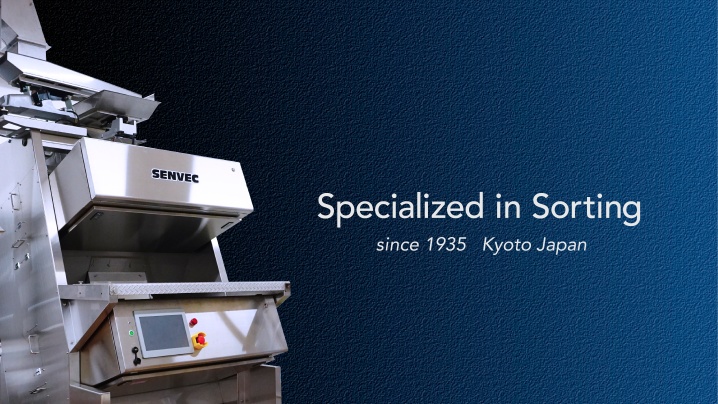
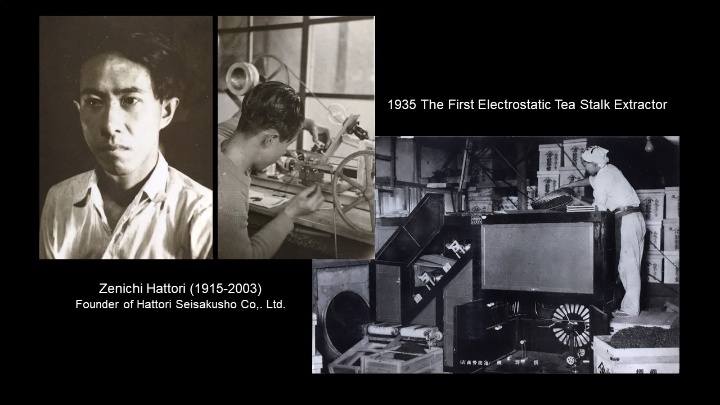
In 1935, the founder Zenichi Hattori found out that the friction charge phenomenon could separate the leaves from the stalk of green tea and he invented an electrostatic tea sorter. Hattori Seisakusho co. ltd. was stablished at the same time.
For further improvement of green tea sorting, we successfully commercialized color sorters for the first time in Japan in 1962. As a pioneer of sorters in Japan for a long time, our company has developed a variety of sorters.
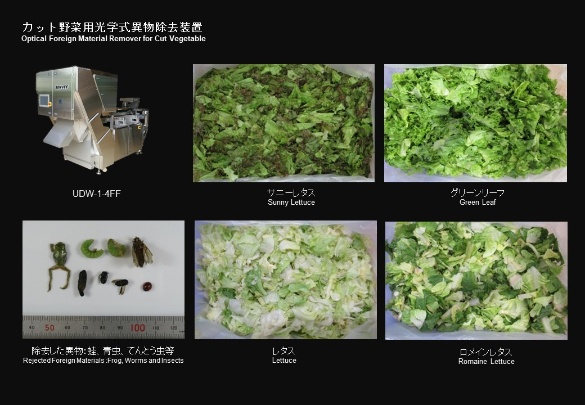
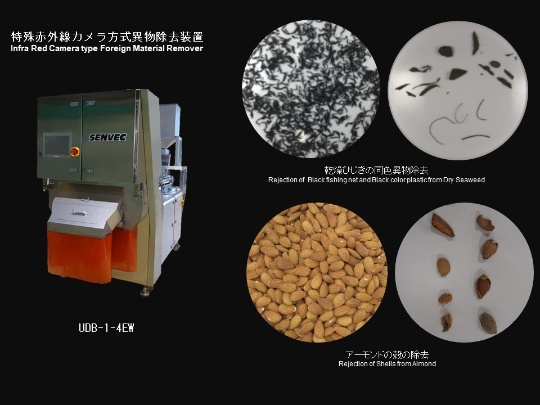
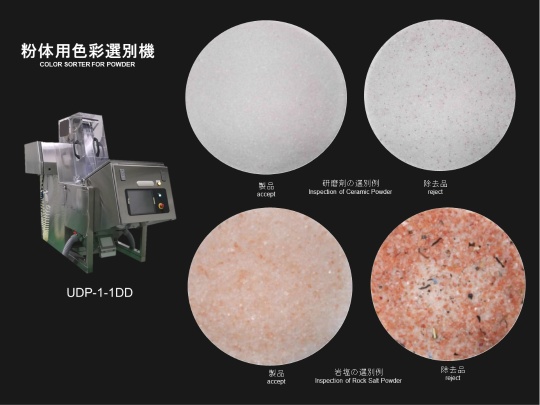
Our market has been expanding from tea industry to any type of food, medical and chemical materials.
Sorting method is also developed from electrostatic to color sorting, vacuum sorting, visual processing sorting and optical characteristic sorting.
As a result, we have major market share in Japanese color sorter market for Tea, Spice, Seed, Sea Food and Powder. We are also providing high-end color sorters for Grain and Beans.
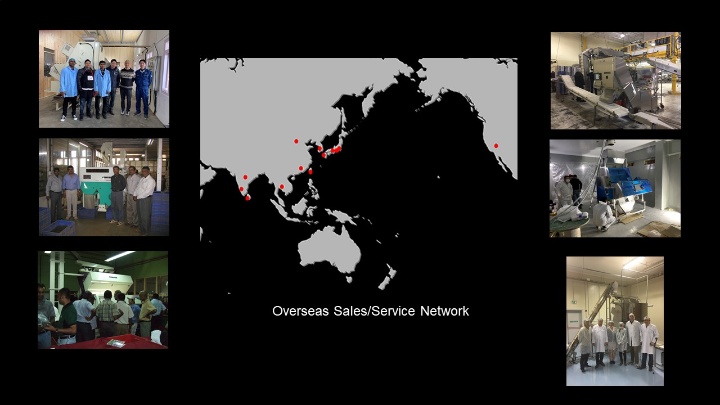
In last 30years, we have installed about 10,000 units in Japan and about 2,000 units in overseas market.
To support those customers, we have three sales/service branch in Japan and 8 agents out of Japan.
Our values
For various food items, chemical and medical materials, our sorting machines are designed to match each customer's requirement. Mechanical design, software and optical design are changed for each customer.
Our top priority is to satisfy our customers. Our motto is not to give up until we can implement high quality sorting. Our continuous efforts are reflected in today’s products.