
- Home page
- buying guide
- stepper motor
stepper motor
stepper motor: A technical guide
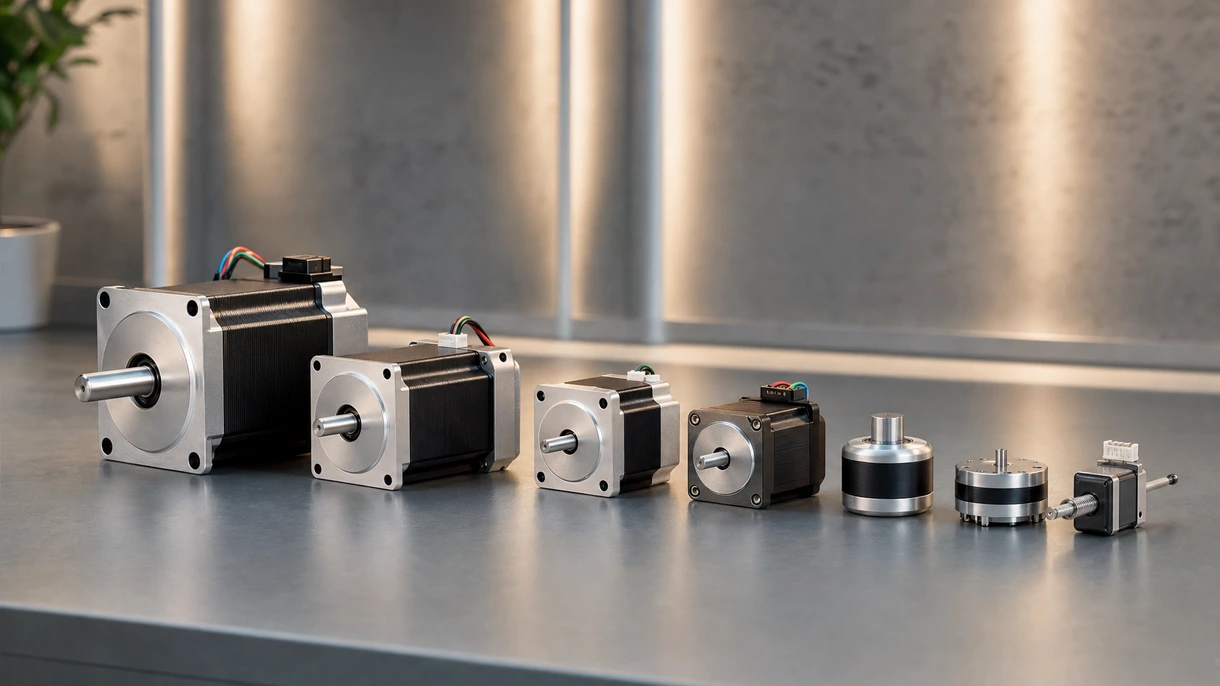
4 Criteria to choose your stepper motor
Dynamic Torque Rating
High holding torque at static speed prevents slippage in vertical positioning tasks without requiring expensive mechanical braking.
Step Resolution Precision
Microstepping capabilities define the precision of move increments, critical for lab automation and synchronized multi-axis robotics platforms.
Thermal Management Capacity
Continuous duty cycles require robust cooling to prevent winding insulation failure and maintain magnetic flux consistency.
Standardized Frame Sizes
Universal mounting dimensions ensure mechanical compatibility with gearboxes and linear actuators across global industrial supply chains.
Available technologies and advantages
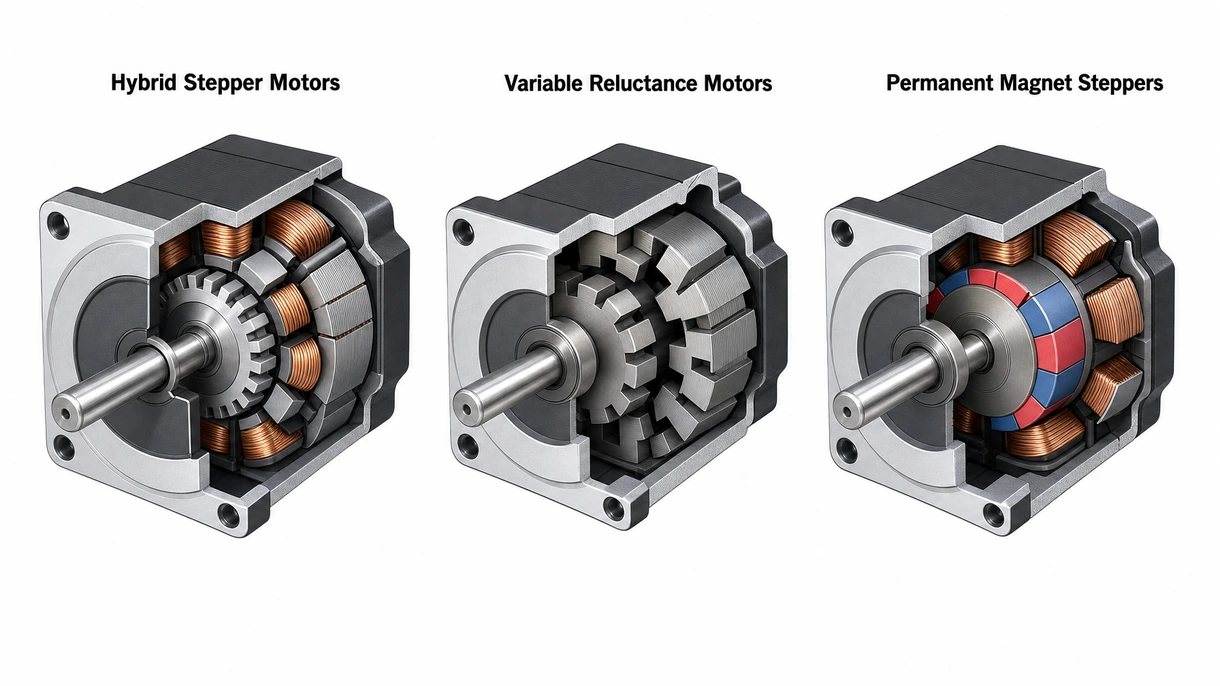
Hybrid Stepper Motors
These combine permanent magnets and rotor teeth to achieve high torque and resolution. They offer a superior balance between speed and precision.
Variable Reluctance Motors
These use multi-toothed soft iron rotors rather than magnets to operate. They allow for high-speed operation but suffer from lower torque density and noise.
Permanent Magnet Steppers
Using a non-toothed rotor with magnets, these deliver lower torque but provide a cost-effective solution for applications where holding torque is secondary.
6 expert tips
Prioritize integrated closed-loop controllers to eliminate lost steps and reduce heat generation during high-intensity industrial production cycles.
Select motors with NEMA ratings matching existing mechanical interfaces to simplify integration and minimize specialized mounting hardware costs.
Verify winding insulation class and IP ratings to ensure reliable performance in harsh manufacturing environments with high temperatures.
Calculate required inertia ratios between the load and motor to prevent resonance issues that cause positioning errors.
Evaluate driver compatibility to ensure microstepping resolution meets the specific accuracy requirements of your precision metrology equipment.
Always verify the technical certification to ensure compliance with local building safety standards and long-term durability.
Innovations and Trends
Digital encoders provide real-time feedback to correct positioning errors and reduce energy consumption in automated warehouses.
Modern electronics allow higher voltage inputs which extend the usable torque range into much higher rotational speeds.
Direct fieldbus integration enables sub-millisecond synchronization between hundreds of axes in complex robotic assembly lines.
New magnetic alloys reduce dependence on volatile supply chains while maintaining high flux density for motors.
*Prices are pre-tax. They exclude delivery charges and customs duties and do not include additional charges for installation or activation options. Prices are indicative only and may vary by country, with changes to the cost of raw materials and exchange rates.
About DirectIndustry
DirectIndustry is a marketplace that offers B2B players a complete experience, from product sourcing to purchase. DirectIndustry is an entity of VirtualExpo Group.
Are you a buyer?
Are you a supplier?
About Us
- VirtualExpo Group
- Our Partners
- Recruitment
- Testimonials