



- Company
- Products
- Catalogs
- News & Trends
- Exhibitions
Power transformer SSTdistributionelectrical power supplyimmersed

Add to favorites
Compare this product
Characteristics
- Type
- power, distribution, electrical power supply
- Configuration
- immersed
- Applications
- substation, for industrial applications, for electrical networks, for outdoor service, railway, for photovoltaic applications, for mining equipment, high-power, for inverters, for data centers, emergency power supply
- Electrical characteristics
- three-phase, medium-voltage
- Mounting
- floor-standing, pad-mount, trolley-mounted
- Norms
- IEC, UL, ANSI, TUV
- Other characteristics
- primary, compact, with copper windings, low-loss, energy-saving, oil-immersed, hermetically-sealed, K-factor, two-winding, containerized
- Output power kVA
Min.: 225 kVA
(305.91476 hp)Max.: 5,000 kVA
(6,798.105776 hp)- Primary voltage
15 V, 600 V
- Secondary voltage
0.4 kV
Description
• IEC 60076, ANSI/IEEE Std C57.12, NEMA
• ISO 9001, KEMA, CESI, CE, TUV, UL, ASTA
• Mineral Oil / Vegetable Oil (FR3), Free PCB
• Seismic design, ETGI-1.020, IEEE Std 693, NCh2369
• Structural design, ASTM A325, ANSI/AISC 360, AWS D1.1
• High altitude correction per IEC 60076 & IEEE C57.12, ~ 5000m
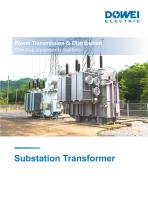
Substation Distribution Transformer is a transformer installed in a distribution substation to reduce medium- or high-voltage electricity to lower distribution voltages for delivery to residential, commercial, and industrial consumers. It serves as the interface between the transmission or sub-transmission network and the local distribution system.
Typical Specifications
·Primary Voltage: 33 kV, 66 kV, 110 kV, or 132 kV
·Secondary Voltage: 11 kV, 6.6 kV, 3.3 kV, or 400/230 V
·Highest System Voltage: Up to 145 kV (depending on design)
·Rated Power: 5–100 MVA
·Frequency: 50 Hz or 60 Hz
·Number of Phases: Three-phase
·Cooling Method: ONAN, ONAF
·Insulation: Mineral oil or natural/synthetic ester fluid
·Tap Changer: Off-circuit tap changer or On-Load Tap Changer (OLTC)
·Vector Group: Dyn11, YNd11, YNyn0+d11, or as specified
Common Voltage Ratios
Typical substation distribution transformer configurations include:
·132/33 kV
·110/33 kV
·66/11 kV
·33/11 kV
·33/6.6 kV
·11/0.4 kV (400/230 V)
Standard Power Ratings
Common ratings are:
·5 MVA
·10 MVA
·16 MVA
·20 MVA
·25 MVA
·31.5 MVA
·40 MVA
·50 MVA
·63 MVA
·80 MVA
·100 MVA
Main Components
·Laminated magnetic core
·High-voltage winding
·Low-voltage winding
·Main tank
·Transformer insulating oil
·Conservator tank
·Cooling radiators
·High- and low-voltage bushings
·On-load tap changer (for voltage regulation)
·Buchholz relay
·Pressure relief device
·Oil level indicator
·Temperature indicators
·Silica gel breather
·Marshalling kiosk and monitoring equipment
Applications
·Utility distribution substations
·Urban power distribution networks
·Industrial parks
·Commercial developments
·Renewable energy collection substations
·Airports, hospitals, and large infrastructure facilities
Cooling Methods
·ONAN Oil Natural Air Natural
·ONAF Oil Natural Air Forced
Larger units may also use OFAF (Oil Forced Air Forced) cooling where higher loading is required.
Protection Systems
·Differential protection (87T)
·Restricted earth fault (REF)
·Overcurrent protection (50/51)
·Earth fault protection (50N/51N)
·Buchholz relay
·Pressure relief device
·Oil and winding temperature protection
·Surge arresters
·Overexcitation protection (24)
Routine Factory Tests
Typical tests include:
·Winding resistance measurement
·Turns ratio and vector group verification
·Insulation resistance measurement
·No-load loss and excitation current
·Load loss and impedance voltage
·Applied AC withstand voltage test
·Induced overvoltage withstand test
·Lightning impulse test (as applicable)
·Oil dielectric strength test
·Leak test
·Functional testing of accessories
Monitoring Features
Modern substation distribution transformers may include:
·Online dissolved gas analysis (DGA)
·Top-oil and winding temperature monitoring
·Moisture-in-oil sensors
·Bushing condition monitoring
·Load monitoring
·Remote SCADA connectivity
Applicable Standards
·IEC 60076 – Power Transformers
·IEEE C57 series – Power Transformer Standards
·IEC 60137 – Insulated bushings
·IEC 60296 – Mineral insulating oils
·IEC 60599 – Dissolved Gas Analysis (DGA)
Advantages
·High efficiency, typically 99.2–99.8%
·Reliable voltage transformation for local distribution networks
·Supports voltage regulation with OLTC
·Long service life of 30–50 years with proper maintenance
·Designed for continuous outdoor operation
·Compatible with modern monitoring and automation systems
A substation distribution transformer is a key component of the electrical distribution system, reducing voltages from transmission or sub-transmission levels (such as 132 kV, 66 kV, or 33 kV) to distribution levels (such as 11 kV or 400/230 V). With ratings generally ranging from 5 MVA to 100 MVA, these transformers ensure reliable and efficient delivery of electricity to downstream distribution feeders and end users.
• ISO 9001, KEMA, CESI, CE, TUV, UL, ASTA
• Mineral Oil / Vegetable Oil (FR3), Free PCB
• Seismic design, ETGI-1.020, IEEE Std 693, NCh2369
• Structural design, ASTM A325, ANSI/AISC 360, AWS D1.1
• High altitude correction per IEC 60076 & IEEE C57.12, ~ 5000m
Substation Distribution Transformer is a transformer installed in a distribution substation to reduce medium- or high-voltage electricity to lower distribution voltages for delivery to residential, commercial, and industrial consumers. It serves as the interface between the transmission or sub-transmission network and the local distribution system.
Typical Specifications
·Primary Voltage: 33 kV, 66 kV, 110 kV, or 132 kV
·Secondary Voltage: 11 kV, 6.6 kV, 3.3 kV, or 400/230 V
·Highest System Voltage: Up to 145 kV (depending on design)
·Rated Power: 5–100 MVA
·Frequency: 50 Hz or 60 Hz
·Number of Phases: Three-phase
·Cooling Method: ONAN, ONAF
·Insulation: Mineral oil or natural/synthetic ester fluid
·Tap Changer: Off-circuit tap changer or On-Load Tap Changer (OLTC)
·Vector Group: Dyn11, YNd11, YNyn0+d11, or as specified
Common Voltage Ratios
Typical substation distribution transformer configurations include:
·132/33 kV
·110/33 kV
·66/11 kV
·33/11 kV
·33/6.6 kV
·11/0.4 kV (400/230 V)
Standard Power Ratings
Common ratings are:
·5 MVA
·10 MVA
·16 MVA
·20 MVA
·25 MVA
·31.5 MVA
·40 MVA
·50 MVA
·63 MVA
·80 MVA
·100 MVA
Main Components
·Laminated magnetic core
·High-voltage winding
·Low-voltage winding
·Main tank
·Transformer insulating oil
·Conservator tank
·Cooling radiators
·High- and low-voltage bushings
·On-load tap changer (for voltage regulation)
·Buchholz relay
·Pressure relief device
·Oil level indicator
·Temperature indicators
·Silica gel breather
·Marshalling kiosk and monitoring equipment
Applications
·Utility distribution substations
·Urban power distribution networks
·Industrial parks
·Commercial developments
·Renewable energy collection substations
·Airports, hospitals, and large infrastructure facilities
Cooling Methods
·ONAN Oil Natural Air Natural
·ONAF Oil Natural Air Forced
Larger units may also use OFAF (Oil Forced Air Forced) cooling where higher loading is required.
Protection Systems
·Differential protection (87T)
·Restricted earth fault (REF)
·Overcurrent protection (50/51)
·Earth fault protection (50N/51N)
·Buchholz relay
·Pressure relief device
·Oil and winding temperature protection
·Surge arresters
·Overexcitation protection (24)
Routine Factory Tests
Typical tests include:
·Winding resistance measurement
·Turns ratio and vector group verification
·Insulation resistance measurement
·No-load loss and excitation current
·Load loss and impedance voltage
·Applied AC withstand voltage test
·Induced overvoltage withstand test
·Lightning impulse test (as applicable)
·Oil dielectric strength test
·Leak test
·Functional testing of accessories
Monitoring Features
Modern substation distribution transformers may include:
·Online dissolved gas analysis (DGA)
·Top-oil and winding temperature monitoring
·Moisture-in-oil sensors
·Bushing condition monitoring
·Load monitoring
·Remote SCADA connectivity
Applicable Standards
·IEC 60076 – Power Transformers
·IEEE C57 series – Power Transformer Standards
·IEC 60137 – Insulated bushings
·IEC 60296 – Mineral insulating oils
·IEC 60599 – Dissolved Gas Analysis (DGA)
Advantages
·High efficiency, typically 99.2–99.8%
·Reliable voltage transformation for local distribution networks
·Supports voltage regulation with OLTC
·Long service life of 30–50 years with proper maintenance
·Designed for continuous outdoor operation
·Compatible with modern monitoring and automation systems
A substation distribution transformer is a key component of the electrical distribution system, reducing voltages from transmission or sub-transmission levels (such as 132 kV, 66 kV, or 33 kV) to distribution levels (such as 11 kV or 400/230 V). With ratings generally ranging from 5 MVA to 100 MVA, these transformers ensure reliable and efficient delivery of electricity to downstream distribution feeders and end users.
Catalogs
Related Searches
- Transformer
- Dry transformer
- Capacitor
- IEC transformer
- Current transformer
- Encapsulated transformer
- Power transformer
- Single-phase transformer
- Electronic filter
- Industrial transformer
- Three-phase transformer
- Floor-standing transformer
- Instrument transformer
- AC electronic filter
- Protection transformer
- Cast resin transformer
- Transformer for industrial applications
- Indoor service transformer
- Distribution transformer
- Power capacitor
*Prices are pre-tax. They exclude delivery charges and customs duties and do not include additional charges for installation or activation options. Prices are indicative only and may vary by country, with changes to the cost of raw materials and exchange rates.
About DirectIndustry
DirectIndustry is a marketplace that offers B2B players a complete experience, from product sourcing to purchase. DirectIndustry is an entity of VirtualExpo Group.
Are you a buyer?
Are you a supplier?