


- Materials - Tools - Components
- Standard Mechanical Component
- Compression spring
- Zhejiang Lisheng Spring Co., Ltd.
Compression spring LM30 serieswirewaveflat wire

Add to favorites
Compare this product
Characteristics
- Function
- compression
- Type
- wire, wave, flat wire
- Material
- stainless steel, nickel alloy, titanium, Inconel718, bronze, alloy
- Applications
- for composite material parts, for valves, for the aerospace industry, motor, for medical devices, for automobiles
- Other characteristics
- precision, corrosion-resistant
- Wire diameter
Min.: 0.3 mm
(0.01 in)Max.: 0.46 mm
(0.02 in)- Internal diameter
30 mm
(1.18 in)- Force
Min.: 50 N
Max.: 130 N
- Extended length
Min.: 7.6 mm
(0.3 in)Max.: 17.8 mm
(0.7 in)- Length under load
Min.: 3.18 mm
(0.13 in)Max.: 9.78 mm
(0.39 in)- Number of coils
Min.: 3 unit
Max.: 7 unit
Description
MultiWave wavy Springs Compression Springs with plain ends manufacturers
Description:
Overview:
Alloy multi turn wave springs are formed from alloy materials that combine metal elements with other metal or non-metal elements. They typically have a lower melting point than constituent metals and higher hardness. They are designed for manufacture of elastic components requiring high elastic limit, high yield ratio, high fatigue strength, and sufficient toughness.
Performance and advantages:
Alloy multi turn wave springs offer small size, light weight, good corrosion resistance, and fatigue resistance. Because alloy materials can have a higher shear modulus than high-carbon spring steel, fewer turns are required to achieve a given deflection. Compared with equivalent high-carbon springs, alloy wave springs can be 60%–70% lighter and their height design can often be reduced by 50%–80%. Alloy materials may also reduce the need for protective coatings due to improved corrosion resistance.
The role of alloying elements in spring materials
To meet diverse operating conditions, alloying elements are added to base spring steels to improve properties such as elastic limit, hardenability, fatigue resistance, and corrosion resistance. Key elements and their effects are described below.
Carbon (C)
Carbon content in spring steels typically ranges from about 0.3% to 1.2%. Higher carbon increases hardness and strength but reduces ductility and increases brittleness. Typical carbon ranges cited for spring steels fall between 0.46%–0.90% depending on steel grade.
Manganese (Mn)
Often added around 1% for improved hardenability, strength, and reduced decarburization. Excess Mn can increase overheating sensitivity and temper brittleness and raise quench-cracking tendency.
Silicon (Si)
Silicon acts as a deoxidizer in smelting and, when present in higher amounts (e.g., 0.70%–2.80% in some alloy spring steels), can significantly strengthen ferrite and improve hardenability and temper stability. Excessive Si can coarsen grains and increase graphitization tendency.
Chromium (Cr)
Chromium improves hardenability and refines grain structure; it is important in alloy steels for high fatigue performance and is a main additive in many stainless spring steels. Chromium can cause temper brittleness and may require careful tempering control.
Nickel (Ni)
Used to stabilize austenitic structures in some stainless alloys; it improves toughness and high-temperature behavior in chromium-nickel alloys. Nickel-containing alloys are used where stable structure and temperature resistance are needed.
Specification:
Part No. | Operates in Bore Diameter (mm) | Lears Shaft Diameter (mm) | Load (N) | Work Height (mm) | Free Height (mm) | Waves | Turns | Thickness (mm) | Radial Wall (mm) | Spring Rate (N/MM)
LM30-H1 | 30 | 24 | 130 | 4.19 | 7.62 | 3.5 | 3 | 0.46 | 2.39 | 37.9
LM30-L1 | 30 | 24 | 50 | 3.18 | 7.62 | 3.5 | 3 | 0.3 | 2.39 | 11.26
LM30-M1 | 30 | 24 | 90 | 3.51 | 7.62 | 3.5 | 3 | 0.38 | 2.39 | 21.9
LM30-H2 | 30 | 24 | 130 | 5.59 | 10.16 | 3.5 | 4 | 0.46 | 2.39 | 28.45
LM30-L2 | 30 | 24 | 50 | 4.22 | 10.16 | 3.5 | 4 | 0.3 | 2.39 | 8.42
LM30-M2 | 30 | 24 | 90 | 4.7 | 10.16 | 3.5 | 4 | 0.38 | 2.39 | 16.48
LM30-H3 | 30 | 24 | 130 | 6.99 | 12.7 | 3.5 | 5 | 0.46 | 2.39 | 22.77
LM30-L3 | 30 | 24 | 50 | 5.28 | 12.7 | 3.5 | 5 | 0.3 | 2.39 | 6.74
LM30-M3 | 30 | 24 | 90 | 5.87 | 12.7 | 3.5 | 5 | 0.38 | 2.39 | 13.18
LM30-H4 | 30 | 24 | 130 | 8.38 | 15.24 | 3.5 | 6 | 0.46 | 2.39 | 18.95
LM30-L4 | 30 | 24 | 50 | 6.32 | 15.24 | 3.5 | 6 | 0.3 | 2.39 | 5.61
LM30-M4 | 30 | 24 | 90 | 7.04 | 15.24 | 3.5 | 6 | 0.38 | 2.39 | 10.98
LM30-H5 | 30 | 24 | 130 | 9.78 | 17.78 | 3.5 | 7 | 0.46 | 2.39 | 16.25
LM30-L5 | 30 | 24 | 50 | 7.39 | 17.78 | 3.5 | 7 | 0.3 | 2.39 | 4.81
LM30-M5 | 30 | 24 | 90 | 8.2 | (value not specified) | (values not specified) | (values not specified) | (values not specified) | (values not specified) | (values not specified)
Applications:
Alloy multi turn wave springs are suitable for aerospace, precision machinery, hydraulic seals, high-end motors, automotive components (clutch, transmission, valves), aerospace and defense (high-temperature and high-fatigue applications), medical devices (biocompatible alloys), electronics and electrical connectors (phosphor bronze), industrial equipment (compressors, pumps), and energy/power generation (turbines, valves).
Advantages and design notes:
- Compact axial footprint compared with conventional round-wire springs
- Nearly linear force-deflection behavior for predictable performance
- High load capacity due to load distribution across multiple waves
- Reduced required interference fits in many assemblies
- Wide material selection (stainless steels, Inconel, Elgiloy, phosphor bronze, titanium) enables optimization for corrosion resistance, temperature resistance, electrical conductivity, biocompatibility, or strength
Caractéristiques / Spécifications techniques:
Description:
- Alloy multi turn wave springs are made of a single filament of round-edged, pre-tempered flat wire from a continuous coil.
- This results in uniform diameters and wave heights. They replace conventional round wire springs when space is critical, typically occupying only 1/3 to ? of the compressed height space, while providing more deflection with the same load specifications.
- Alloy multi turn wave springs should be used for all applications requiring tight load deflection specifications where axial space is critical.
Overview:
Alloy multi turn wave springs are formed from alloy materials that combine metal elements with other metal or non-metal elements. They typically have a lower melting point than constituent metals and higher hardness. They are designed for manufacture of elastic components requiring high elastic limit, high yield ratio, high fatigue strength, and sufficient toughness.
Performance and advantages:
Alloy multi turn wave springs offer small size, light weight, good corrosion resistance, and fatigue resistance. Because alloy materials can have a higher shear modulus than high-carbon spring steel, fewer turns are required to achieve a given deflection. Compared with equivalent high-carbon springs, alloy wave springs can be 60%–70% lighter and their height design can often be reduced by 50%–80%. Alloy materials may also reduce the need for protective coatings due to improved corrosion resistance.
The role of alloying elements in spring materials
To meet diverse operating conditions, alloying elements are added to base spring steels to improve properties such as elastic limit, hardenability, fatigue resistance, and corrosion resistance. Key elements and their effects are described below.
Carbon (C)
Carbon content in spring steels typically ranges from about 0.3% to 1.2%. Higher carbon increases hardness and strength but reduces ductility and increases brittleness. Typical carbon ranges cited for spring steels fall between 0.46%–0.90% depending on steel grade.
Manganese (Mn)
Often added around 1% for improved hardenability, strength, and reduced decarburization. Excess Mn can increase overheating sensitivity and temper brittleness and raise quench-cracking tendency.
Silicon (Si)
Silicon acts as a deoxidizer in smelting and, when present in higher amounts (e.g., 0.70%–2.80% in some alloy spring steels), can significantly strengthen ferrite and improve hardenability and temper stability. Excessive Si can coarsen grains and increase graphitization tendency.
Chromium (Cr)
Chromium improves hardenability and refines grain structure; it is important in alloy steels for high fatigue performance and is a main additive in many stainless spring steels. Chromium can cause temper brittleness and may require careful tempering control.
Nickel (Ni)
Used to stabilize austenitic structures in some stainless alloys; it improves toughness and high-temperature behavior in chromium-nickel alloys. Nickel-containing alloys are used where stable structure and temperature resistance are needed.
Specification:
Part No. | Operates in Bore Diameter (mm) | Lears Shaft Diameter (mm) | Load (N) | Work Height (mm) | Free Height (mm) | Waves | Turns | Thickness (mm) | Radial Wall (mm) | Spring Rate (N/MM)
LM30-H1 | 30 | 24 | 130 | 4.19 | 7.62 | 3.5 | 3 | 0.46 | 2.39 | 37.9
LM30-L1 | 30 | 24 | 50 | 3.18 | 7.62 | 3.5 | 3 | 0.3 | 2.39 | 11.26
LM30-M1 | 30 | 24 | 90 | 3.51 | 7.62 | 3.5 | 3 | 0.38 | 2.39 | 21.9
LM30-H2 | 30 | 24 | 130 | 5.59 | 10.16 | 3.5 | 4 | 0.46 | 2.39 | 28.45
LM30-L2 | 30 | 24 | 50 | 4.22 | 10.16 | 3.5 | 4 | 0.3 | 2.39 | 8.42
LM30-M2 | 30 | 24 | 90 | 4.7 | 10.16 | 3.5 | 4 | 0.38 | 2.39 | 16.48
LM30-H3 | 30 | 24 | 130 | 6.99 | 12.7 | 3.5 | 5 | 0.46 | 2.39 | 22.77
LM30-L3 | 30 | 24 | 50 | 5.28 | 12.7 | 3.5 | 5 | 0.3 | 2.39 | 6.74
LM30-M3 | 30 | 24 | 90 | 5.87 | 12.7 | 3.5 | 5 | 0.38 | 2.39 | 13.18
LM30-H4 | 30 | 24 | 130 | 8.38 | 15.24 | 3.5 | 6 | 0.46 | 2.39 | 18.95
LM30-L4 | 30 | 24 | 50 | 6.32 | 15.24 | 3.5 | 6 | 0.3 | 2.39 | 5.61
LM30-M4 | 30 | 24 | 90 | 7.04 | 15.24 | 3.5 | 6 | 0.38 | 2.39 | 10.98
LM30-H5 | 30 | 24 | 130 | 9.78 | 17.78 | 3.5 | 7 | 0.46 | 2.39 | 16.25
LM30-L5 | 30 | 24 | 50 | 7.39 | 17.78 | 3.5 | 7 | 0.3 | 2.39 | 4.81
LM30-M5 | 30 | 24 | 90 | 8.2 | (value not specified) | (values not specified) | (values not specified) | (values not specified) | (values not specified) | (values not specified)
Applications:
Alloy multi turn wave springs are suitable for aerospace, precision machinery, hydraulic seals, high-end motors, automotive components (clutch, transmission, valves), aerospace and defense (high-temperature and high-fatigue applications), medical devices (biocompatible alloys), electronics and electrical connectors (phosphor bronze), industrial equipment (compressors, pumps), and energy/power generation (turbines, valves).
Advantages and design notes:
- Compact axial footprint compared with conventional round-wire springs
- Nearly linear force-deflection behavior for predictable performance
- High load capacity due to load distribution across multiple waves
- Reduced required interference fits in many assemblies
- Wide material selection (stainless steels, Inconel, Elgiloy, phosphor bronze, titanium) enables optimization for corrosion resistance, temperature resistance, electrical conductivity, biocompatibility, or strength
Caractéristiques / Spécifications techniques:
- Denomination: Multi Turn Wave Springs A286 Alloy
- Material: A286 alloy (nickel-iron-chromium alloy) or other alloy options depending on part (stainless steel, Inconel, Elgiloy, phosphor bronze, titanium)
- Category: Multi Turn Wave Springs (Wave Spring)
- Typical thickness range shown in table: 0.3 mm – 0.46 mm
- Radial wall values shown in table: typically 2.39 mm
- Turns: typically 3–7 depending on variant
- Work height and free height specified per part number in the table above
- Spring rates: values given per part number in N/MM in the table above
- SKU on page: 388e0206cd3a
- Typical applications: aerospace, precision machinery, hydraulic seals, high-end motors, automotive, medical, electronics, industrial equipment, energy
Catalogs
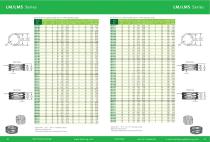
Wave Spring catalog-13
1 Pages
Other Zhejiang Lisheng Spring Co., Ltd. products
Wave Spring


Related Searches
- Spring
- Metal spring
- Wire spring
- Compression spring
- Stainless spring
- Snap ring
- Extension spring
- Steel spring
- Torsion spring
- External snap ring
- Sealing ring
- Carbon steel spring
- Internal retaining ring
- Metric snap ring
- Spiral retaining ring
- Wave spring
- Custom-made spring
- Flat wire spring
- Constant section retaining ring
- Cylindrical spring
*Prices are pre-tax. They exclude delivery charges and customs duties and do not include additional charges for installation or activation options. Prices are indicative only and may vary by country, with changes to the cost of raw materials and exchange rates.
About DirectIndustry
DirectIndustry is a marketplace that offers B2B players a complete experience, from product sourcing to purchase. DirectIndustry is an entity of VirtualExpo Group.
Are you a buyer?
Are you a supplier?