

- Power Transmission - Mechanical components
- Actuator and Positioning System
- Linear solenoid
- Weilong Intelligent Technology (Dongguan) Co., Ltd.


- Company
- Products
- Catalogs
- News & Trends
- Exhibitions
Pull solenoid WL 0643linearopen-frame24-volt


Add to favorites
Compare this product
Characteristics
- Type
- linear
- Other characteristics
- electromagnetic, open-frame, 24-volt, frame, DC, pull, with spring return
- Voltage
12 V, 24 V
- Force
Min.: 0.5 N
Max.: 1 N
- Stroke
Min.: 3 mm
(0.12 in)Max.: 6 mm
(0.24 in)
Description
Product overview The WL 0643 is a frame-type pull solenoid manufactured by Weilong Technology. It is a linear electromagnetic actuator designed to generate controlled pulling force for latching, locking, or mechanical linkage applications. Its open-frame design allows fast response and straightforward integration into automated equipment and office or industrial devices.
Applications
How it works When DC current flows through the coil, a magnetic field pulls the plunger (armature) into the coil producing a linear pulling motion. A return spring (internal or external) restores the plunger when power is removed. Stroke, pull force and duty cycle are configurable to match application requirements.
Technical specifications
FAQ / Notes
Applications
- Vending machines (coin and banknote mechanisms)
- Locking/unlocking systems for doors, cabinets and safes
- Office automation (printers, copiers, ATMs)
- Medical devices and diagnostic equipment
- Industrial machinery (sorting, actuated linkages, control systems)
How it works When DC current flows through the coil, a magnetic field pulls the plunger (armature) into the coil producing a linear pulling motion. A return spring (internal or external) restores the plunger when power is removed. Stroke, pull force and duty cycle are configurable to match application requirements.
Technical specifications
- Brand: Weilong Technology
- Model: WL 0643
- Rated voltage: DC 12 V or 24 V
- Rated power: 4–8 W
- Work mode: Pull type
- Pull force: 0.5–1 N
- Stroke: 3–6 mm (customizable)
- Operating duty: 1 s ON, 3 s OFF
- Service life: ≈200,000 cycles
- Certifications: CE, RoHS, ISO9001
- Material: magnetic carbon steel
- Lead wire length: 200 mm
- Install style: side screw mounting (M3 × 8 mm thread depth)
- Dimensional tolerance: ±0.1 mm
- Waterproof: none
- Insulation class: B
- Hi-pot test: AC 600 V 50/60 Hz 2 s
- Non-excitation holding force: 0 N
- Working temperature: -10 °C to 100 °C
- Duty cycle range: 1–100%
- Thread depth: M3 × 8 mm
- Payment terms: TT or LC at sight
- Sample order: available (10–15 days)
- Product warranty: 1 year
- MOQ: 500 pcs; Supply ability: 2000 pcs/week; Delivery time: ~30 days; Port: Shenzhen Yantian
FAQ / Notes
- What is a pull-type solenoid? An electromechanical actuator that pulls the plunger into the coil when energized to generate a controlled pulling force.
- Pull vs push type: Pull type draws the plunger inward; push type drives it outward. Some mechanisms combine linkages to achieve both actions.
- Key performance factors: rated voltage/current, stroke length, duty cycle, pull/holding force and operating temperature.
- Duty considerations: typical models are designed for intermittent operation to prevent overheating; continuous-duty variants require different thermal ratings.
VIDEO
Catalogs
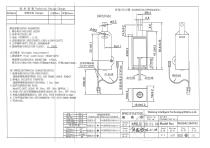
WL 0643 Pull Solenoid
7 Pages
Other Weilong Intelligent Technology (Dongguan) Co., Ltd. products
Frame Push Pull Solenoid


Related Searches
- Actuator
- Linear actuator
- Electric actuator
- Compact actuator
- Industrial actuator
- DC actuator
- Electromagnet
- Rotary actuator
- 24 V actuator
- 12 V actuator
- Linear electromagnet
- DC electromagnet
- Actuator for medical applications
- ISO actuator
- Voltage solenoid
- Compact electromagnet
- Holding electromagnet
- 24-volt electromagnet
- Single-acting actuator
- Electromagnetic electromagnet
*Prices are pre-tax. They exclude delivery charges and customs duties and do not include additional charges for installation or activation options. Prices are indicative only and may vary by country, with changes to the cost of raw materials and exchange rates.
About DirectIndustry
DirectIndustry is a marketplace that offers B2B players a complete experience, from product sourcing to purchase. DirectIndustry is an entity of VirtualExpo Group.
Are you a buyer?
Are you a supplier?