


{{product.productLabel}} {{product.model}}
{{#if product.featureValues}}{{product.productPrice.formattedPrice}} {{#if product.productPrice.priceType === "PRICE_RANGE" }} - {{product.productPrice.formattedPriceMax}} {{/if}}
{{#each product.specData:i}}
{{name}}: {{value}}
{{#i!=(product.specData.length-1)}}
{{/end}}
{{/each}}
{{{product.idpText}}}
{{product.productLabel}} {{product.model}}
{{#if product.featureValues}}{{product.productPrice.formattedPrice}} {{#if product.productPrice.priceType === "PRICE_RANGE" }} - {{product.productPrice.formattedPriceMax}} {{/if}}
{{#each product.specData:i}}
{{name}}: {{value}}
{{#i!=(product.specData.length-1)}}
{{/end}}
{{/each}}
{{{product.idpText}}}
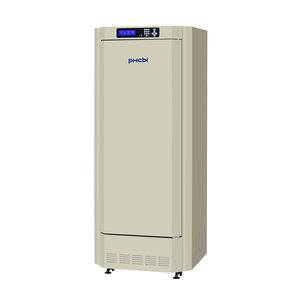

Capacity: 294 l
Temperature: 0 °C - 50 °C
Interior length: 520 mm
... Versatile Climate Chambers. The MLR-352 Climatic Test Chamber has been recognized as an exceptional unit suitable for a wide range of applications. The wide variety of temperatures, humidity and lighting ...
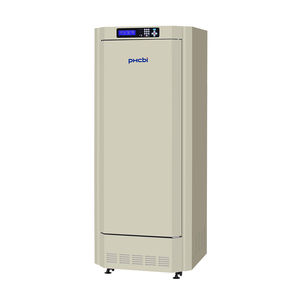
Capacity: 294 l
Temperature: 0 °C - 50 °C
Interior length: 520 mm
... Versatile Climate ChambersThe MLR-352H-PE Climate chamber has been recognized as an exceptional unit suitable for a wide range of applications. The wide variety of temperatures, humidity and lighting patterns that are essential in research, ...
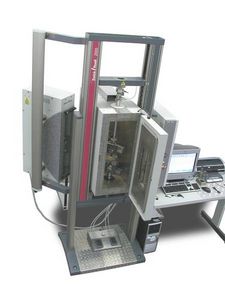

Temperature: -80 °C - 360 °C
Interior length: 460 mm
Interior height: 900 mm
... refrigeration units The chamber is tailored to integrated test needs because they are either fixed mounted, mounted on guide rails or using a hydraulic jack that the enduser can provide. Pushing the chamber ...
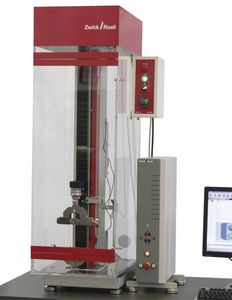
Temperature: -40 °C - 37 °C
External length: 650, 780 mm
External height: 1,260 mm
... temperature chamber, manufactured by Zwick Roell, is designed with a big front door to easily change the tools. It has dimensions of 405 x 600 x 1250 mm, voltage supply of 230 V, accuracy of ± 1 °C and a maximum ambient temperature of ...
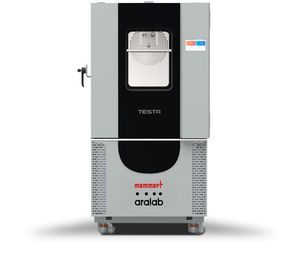

Capacity: 272 l
Temperature: -75 °C - 180 °C
Power: 11 W
... simulation for reproducible climatic and humidity testing. The CT300ECP75 from Memmert is a programmable environmental test chamber designed for industrial and laboratory testing requiring wide temperature and humidity ...
Memmert GmbH + Co. KG
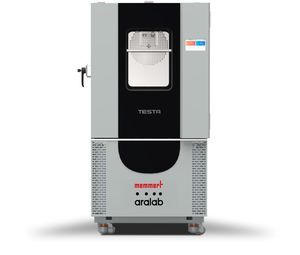
Capacity: 272 l
Temperature: -75 °C - 180 °C
Power: 11 W
... Overview
Environmental
test
chamber for precise climate simulation and reproducible
test conditions. Designed for laboratory and industrial R&D applications within the TESTA CT / TESTA TT family. ...
Memmert GmbH + Co. KG
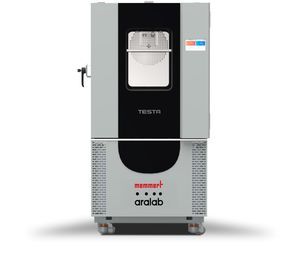
Capacity: 272 l
Temperature: -75 °C - 180 °C
Power: 11 W
... CT300EC75 from Memmert provides a controlled climate environment with wide temperature and humidity ranges suitable for material
tests, component qualification and accelerated aging studies.
Range of functions
- Adjustable
Memmert GmbH + Co. KG
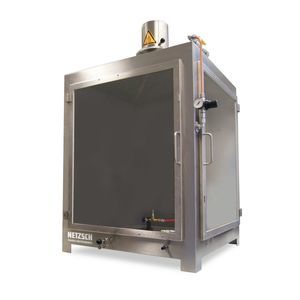

... 100 mm
NETZSCH Analyzing & Testing
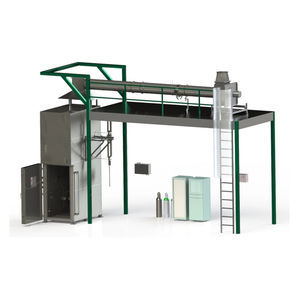
... recording of all test data is handled entirely via the control unit. Well thought-out details along with the use of high-quality materials guarantee the KBT 916 test system a long product life and a low degree of wear ...
NETZSCH Analyzing & Testing
Temperature: -100 °C - 1,300 °C
External length: 148 cm
External height: 245 cm
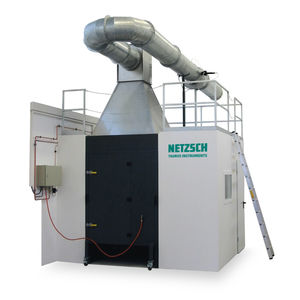
... recording of all test data is handled entirely via the control unit. Well thought-out details along with the use of high-quality materials guarantee the SBI test system a long product life and a low degree of wear and ...
NETZSCH Analyzing & Testing

Capacity: 180 l - 2,000 l
Temperature: -70 °C - 180 °C
Power: 4,800 W - 23,000 W
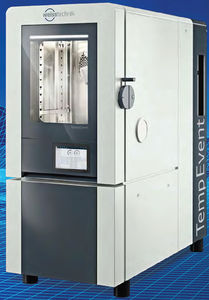
... conditions during production, transport, storage and use. The new TempEvent and ClimeEvent temperature and climatic test chambers help to test the influence temperature and humidity has on the properties, ...
Weiss Technik
Capacity: 6 m³ - 50 m³
Temperature: -10 °C - 60 °C
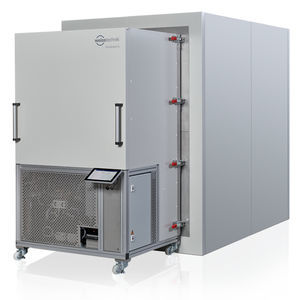
... solution for chambers from 6 m3 to 50 m3 – ClimeEvent M. Specialised in simple cases ClimeEvent M units are our specialists for simple climate tests without special requirements on air guidance. They are always used ...
Weiss Technik

Temperature: -70 °C - 150 °C
Length: 2,000, 2,300 mm
Width: 2,200 mm
... storage and use. The Weiss Technik Walk-in Chamber ClimeEvent will help you to test the influence of temperature and humidity on the properties, function and lifespan of your products. ClimeEvent is a test ...
Weiss Technik
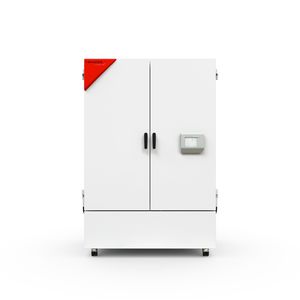

Capacity: 127 l - 1,610 l
Temperature: 0 °C - 70 °C
Interior length: 656 mm - 1,521 mm
... Modell KBF 130 | Constant climate chambers with a large temperature / humidity range Modell KBF 260 | Constant climate chambers with a large temperature / humidity range Modell KBF 470 | Constant climate chambers ...
BINDER
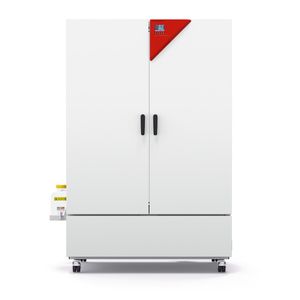
Capacity: 247 l - 1,020 l
Temperature: 0 °C - 70 °C
Interior length: 650, 973 mm
... | Constant climate chambers with environmentally friendly thermoelectric cooling Model KBF-S ECO 400 | Constant climate chambers with environmentally friendly thermoelectric cooling Model KBF-S ECO 720 | Constant climate ...
BINDER
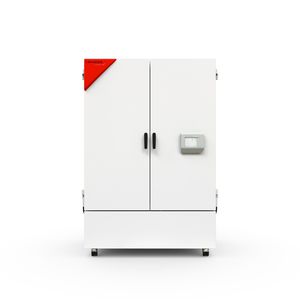
Capacity: 127 l - 1,610 l
Temperature: -20 °C - 100 °C
Interior length: 656 mm - 1,521 mm
... KBF PRO 130 | Constant climate chambers with expanded temperature / humidity range Model KBF PRO 260 | Constant climate chambers with expanded temperature / humidity range Model KBF PRO 470 | Constant climate chambers ...
BINDER


Power: 24,000 W
External length: 160 cm
External height: 198 cm
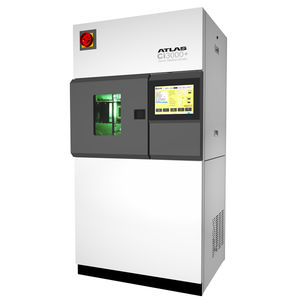
... control of relative humidity • Direct setting and control of specimen chamber air temperature • Display of diagnostic messages • 14 factory pre-programmed test methods • Space for 12 custom programs; ...
Atlas
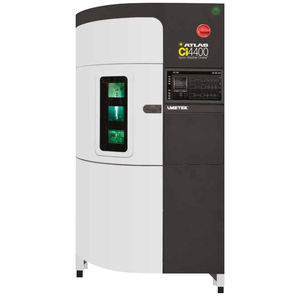
Power: 13,200, 13,800 W
External length: 104.1 cm
External height: 195.2 cm
... of all test parameters • Direct setting and control of irradiance: 340nm, 420nm, or 300-400nm • Direct setting and control of BPT/BST • Direct setting and control of relative humidity • Direct setting and control ...
Atlas
Power: 8,500 W
External length: 97 cm
External height: 183 cm
... humidity • Direct setting and control of specimen chamber air temperature • Display of diagnostic messages • 14 factory pre-programmed test methods (Weather-Ometer); 6 factory pre-programmed test ...
Atlas
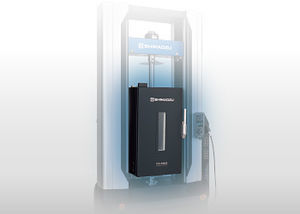

... Overview
Compact thermostatic
chamber for Autograph Precision Universal Testing Machines. The
chamber controls temperature within the testing space to enable tensile, bending and compression
tests ...

Temperature: -40 °C - 85 °C
Interior length: 300 mm - 400 mm
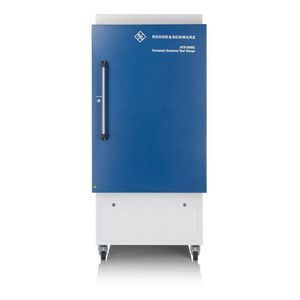
... Multi-angle IFF/RRM testing: Side- chamber extensions allow additional reflectors and multiple angles of arrival.
Applications ...
Rohde Schwarz
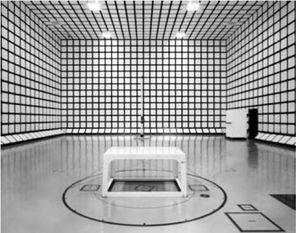

... create anechoic chambers to meet your requirements, designing for the desired functions and performance, and ensuring compliance with specific standards. We welcome your inquiries concerning repairs or maintaining your existing anechoic ...
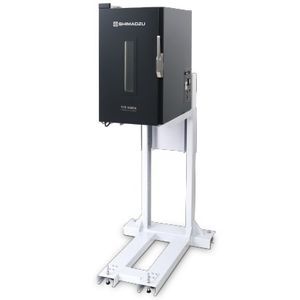

Temperature: -7 °C - 300 °C
... data from the thermostatic chamber can be recorded, using TRAPEZIUM X-V software. Thermostatic chamber positioning is easy A new stand with rails has been added to the lineup, enabling easy positioning of the thermostatic ...
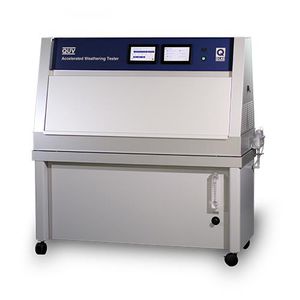

Temperature: 28 °C - 80 °C
External length: 137 cm
External height: 135 cm
... complimentary test types - see QUV and Q-SUN: A Comparison for further information. With thousands of testers in use worldwide, it is the world's most widely-used weathering tester. The World's Most Widely Used Weathering Tester™ Test ...
Q-LAB
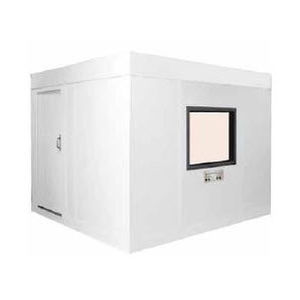

Length: 102 cm - 305 cm
Width: 122 cm - 366 cm
Depth: 198 cm - 269 cm
... ETS-Lindgren's Double-Wall Exam Booths are acoustic booths constructed with our premium AS-A504 10 cm (4 in) thick wall panels and provide impressive isolation. Double-Wall Exam Booth offer the choice of either a standard model package or a built-to-order ...
ETS Lindgren
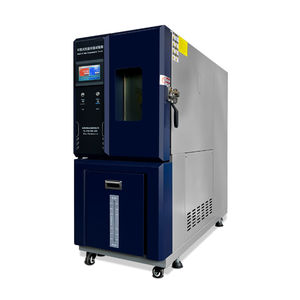

Capacity: 100 l
Temperature: -40 °C - 150 °C
Interior length: 400 mm
... humidity testing at the same time. chamber power can be customized. Constant Temperature Humidity Chamber which also call environment test chamber is designed for detecting the material ...
HAIDA EQUIPMENT CO., LTD
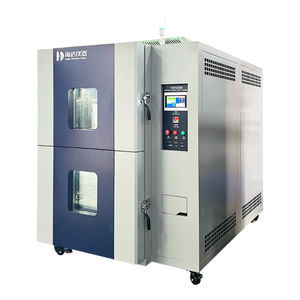
Temperature: -10 °C - 150 °C
Interior length: 350, 500, 600 mm
Interior height: 400, 500 mm
... Programmable Thermal Shock Chamber Product Information Programmable Thermal Shock Chamber (Three Zone System) Thermal Shock Test Chamber Introduction: Hot and cold impact ...
HAIDA EQUIPMENT CO., LTD
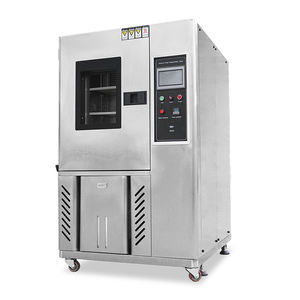
Temperature: -70 °C - 150 °C
Interior length: 400, 500, 600, 1,000 mm
Interior height: 500, 600, 750, 850, 1,000 mm
... temperature and humidity value and cyclic test as you set the different parameter.this temperature humidity chamber can temperature and humidity test,holding test, cooling-off test, ...
HAIDA EQUIPMENT CO., LTD
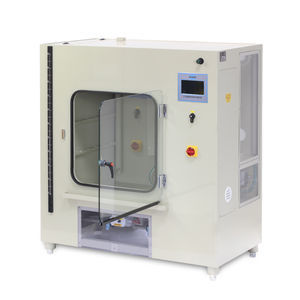

Capacity: 400 l - 1,000 l
... integrated beside the test chamber, enabling unattended test runs (for example over a weekend). CORROTHERM 610 series corrosion testers are manually operated. Clearly arranged push-buttons are provided ...
ERICHSEN GmbH & Co. KG
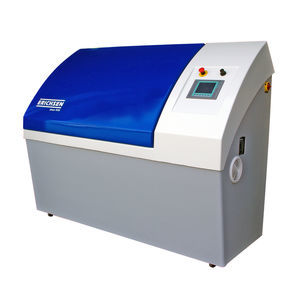
Capacity: 400 l - 2,000 l
Temperature: -40 °C - 70 °C
... specifications
- Tests: condensate test; salt spray test; cyclic climate tests; tests with regulated humidity; low-temperature test
- Useful
ERICHSEN GmbH & Co. KG
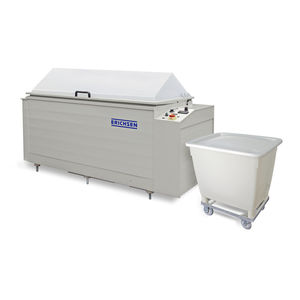
Capacity: 300 l - 2,000 l
Temperature: max 50.0 °C
... of each
test
chamber includes three specimen holders for weathering panels.
For testing small quantities or small
test specimens, the user has access to a corrosion testing apparatus in a modular design ...
ERICHSEN GmbH & Co. KG
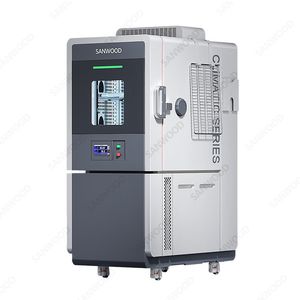

Capacity: 150 l
Temperature: -70 °C - 180 °C
Power: 500 W
... humidity test chamber is a high-performance and energy-saving environmental test chamber that provides flexible configurations for simulating sample environmental tests ...
Sanwood Technology
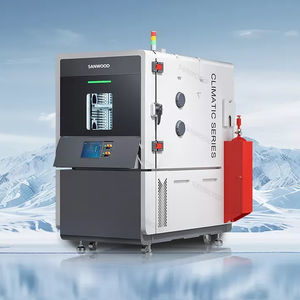
Capacity: 80 l
Temperature: -70 °C - 180 °C
Interior length: 500 mm
... explosion-proof
test
chamber is widely used in the battery manufacturing industry, new energy vehicle industry and related R&&D laboratories.
Application Fields of Battery
Test
Chamber
The ...
Sanwood Technology
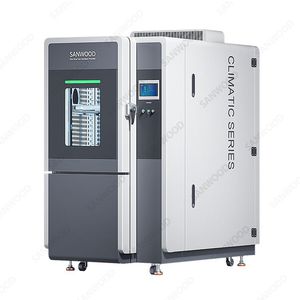
Capacity: 225 l
Temperature: -70 °C - 180 °C
Interior length: 500 mm
... standard Ethernet/LAN port of the test chamber can be used to monitor and operate the test chamber via a computer. Desktop computers, tablets and smart phones can also achieve synchronized ...
Sanwood Technology
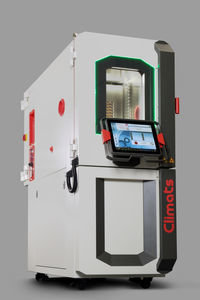

Capacity: 140 l - 1,800 l
Temperature: -90 °C - 250 °C
Interior length: 540, 700, 900, 1,000, 1,150 mm
... and innovation.
More efficient and ergonomic, the 8 standard
chamber sizes and their numerous features are sure to meet your needs.
You can always optimize your climate
chamber by combining multiple standardized ...
CLIMATS
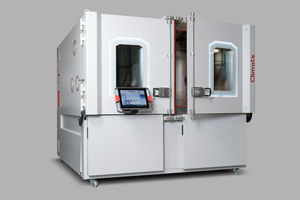
Capacity: 1,600, 2,500 l
Temperature: -70 °C - 150 °C
Interior length: 800, 2,500 mm
... Horizontal
test
chamber with dual doors for oversized applications
• Expandable capacity : Its double front door and horizontal format make it easy to load and handle bulky products.
Its innovative geometry ...
CLIMATS
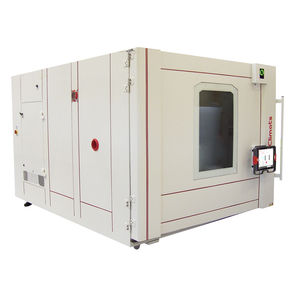
Capacity: 3 m³ - 100 m³
Temperature: -70 °C - 180 °C
Interior length: 2,200, 3,020, 1,500 mm
... CLIMATS G-type environmental chambers are widely endorsed by their users : • because of their important tests volumes • because of their equipping adaptability (accessibility, loading) • because of their ...
CLIMATS

Temperature: -70 °C - 300 °C
Interior length: 290 mm
Interior height: 600 mm
... allows the specimen to be inspected during test. The cabinets are mounted on wheels on an independent base unit. Normal ambient tests are possible when the cabinet is moved in rear position, clear of the test ...
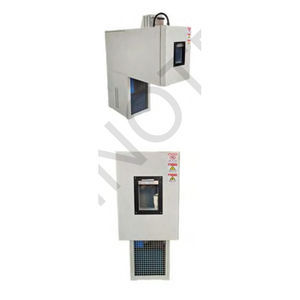

Temperature: -70 °C - 350 °C
... The low/high temperature environmental test chamber mainly consists of a low/high temperature chamber, a temperature measurement and control system, a refrigeration unit system, etc. This device ...
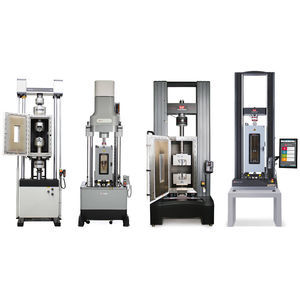

environmental test chamber3119-600 Series
Temperature: -150 °C - 350 °C
Interior length: 240, 400 mm
Interior height: 485 mm - 1,000 mm
... dynamic testing machines, the 3119-600 Series environmental chambers provide extensive temperature testing capabilities for evaluating material properties under non-ambient conditions. Chambers are available in a wide ...
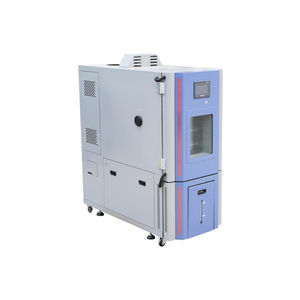

Temperature: -40 °C - 150 °C
Length: 1,720 mm
Width: 780 mm
... OTH-150DJ is used to test the performance of materials in various environments and test the heat resistance, cold resistance, dry resistance and humidity resistance of various materials. It is suitable for quality testing ...
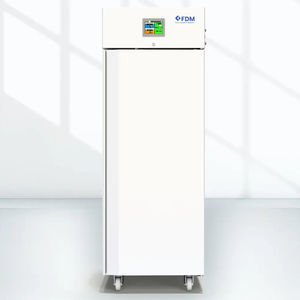

Capacity: 140 l - 2,300 l
Temperature: -25 °C - 70 °C
... Overview
FDM CB-CS Series climate
chamber for regulated stability testing and environmental simulation. Precise, simultaneous control of temperature and humidity with selectable internal volumes (140–2300 L). Operating range: ...
FDM - Environment Makers
Capacity: 25 l - 900 l
Temperature: -40 °C - 180 °C
Interior length: 300 mm
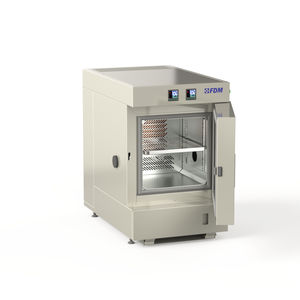
... We can say that the environmental chamber was created to reproduce extreme test conditions. FDM Environmental Simulation Chambers FDM environmental chambers guarantee better parameter ...
FDM - Environment Makers
Capacity: 140 l - 2,300 l
Temperature: -25 °C - 70 °C
Power: 1,400 W - 4,100 W
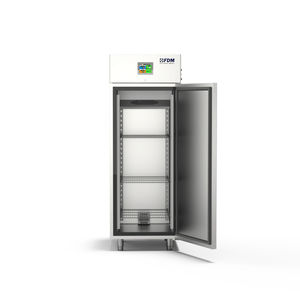
... according to the type of product under examination. Temperature Stability Chamber For climatic stability tests, we refer instead to a constant temperature chamber. This instrument ...
FDM - Environment Makers
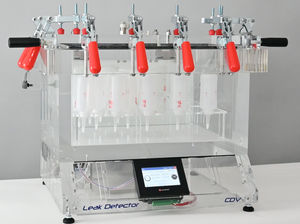

... with personalized passwords. It as two applications: Quick Test: As its name describes, an “on the spot” test where user enters pressure level and time on the screen and starts the test. Programmable ...
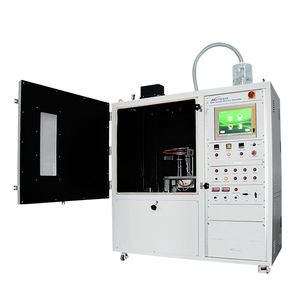

... density test: • Specific optical density, Dsmax, Ds10, Ds1.5, Ds4.0. • Clear-beam correction factor Dc. • VOF4. • Results derived from different standards. NBS Smoke Density Chamber consists of • Thick stainless ...
Motis Fire Technology Co., Ltd.

... smoke produced and the smoke-density rating. Exit Sign Test Apparatus consists of • Stainless steel test chamber, the dimension is 300mm by 300mm by 790mm. • The internal wall of the test ...
Motis Fire Technology Co., Ltd.
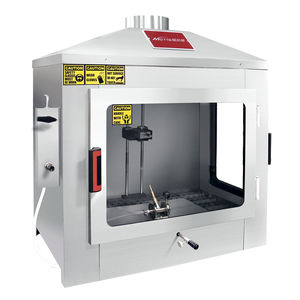
... Source Test is widely used to assess the flammability performance class of construction or railway material, such as EN 13501-1, EN 45545-2, DIN 4102, DIN 5510-2, etc. Single-Flame Source Test Apparatus consists of • ...
Motis Fire Technology Co., Ltd.
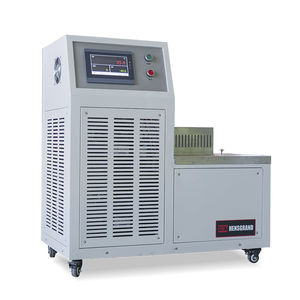

Temperature: -100 °C - 30 °C
Interior length: 120 mm
Interior height: 120 mm
... DWC Series Temperature Chamber is designed according to the standard of 'Charpy Notch Impact Test Method for Metal Materials' and adopts compressor cooling technology, which is made up of two sections (Low temperature ...
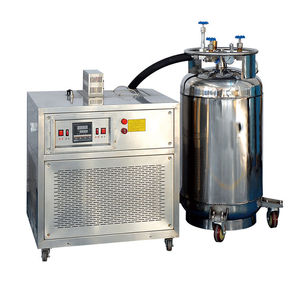
Temperature: -196 °C - 30 °C
Interior length: 240 mm
Interior height: 150 mm
... GB/T229-2009 Features: It uses liquid nitrogen cooling technology and high-precision intelligent instrument to control ultra-low temperature test l It can achieve automatic uniform cooling and constant temperature ...
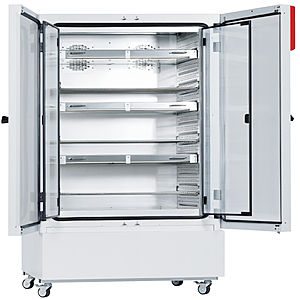
A test chamber is used to analyze the chemical and physical properties of many different substances. These include reaction to physical stress or exposure to chemicals. It also can be employed to identify dangerous emissions or other health risks associated with the material, and to determine conformity with established norms. Analysis occurs during or after tests on a substance placed in the hermetic chamber.
ApplicationsThese devices are found in all industrial branches for testing the various properties of different substances and to verify compliance with norms.
How to chooseChoice will depend on the types of substances and the characteristics to be tested. Normative values and other analytic parameters are also important factors.
the best suppliers