


{{product.productLabel}} {{product.model}}
{{#if product.featureValues}}{{product.productPrice.formattedPrice}} {{#if product.productPrice.priceType === "PRICE_RANGE" }} - {{product.productPrice.formattedPriceMax}} {{/if}}
{{#each product.specData:i}}
{{name}}: {{value}}
{{#i!=(product.specData.length-1)}}
{{/end}}
{{/each}}
{{{product.idpText}}}
{{product.productLabel}} {{product.model}}
{{#if product.featureValues}}{{product.productPrice.formattedPrice}} {{#if product.productPrice.priceType === "PRICE_RANGE" }} - {{product.productPrice.formattedPriceMax}} {{/if}}
{{#each product.specData:i}}
{{name}}: {{value}}
{{#i!=(product.specData.length-1)}}
{{/end}}
{{/each}}
{{{product.idpText}}}
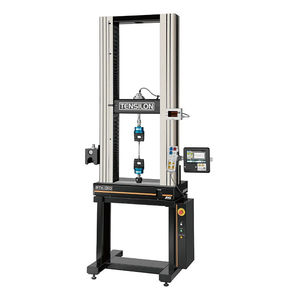

... TENSILON is a universal material testing machine for tensile, compression and bending tests. It combines a digital servo drive, high-speed sampling and selectable model capacities (up to 10 kN) to support laboratory testing ...
A&D COMPANY, LIMITED
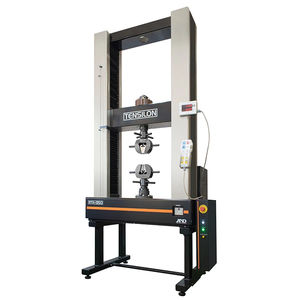
... Overview
The TENSILON RTH is a universal material
testing instrument from A&D. Designed as a world-class Class 0.5
testing
machine, the RTH series features a high-stiffness load frame and improved ...
A&D COMPANY, LIMITED
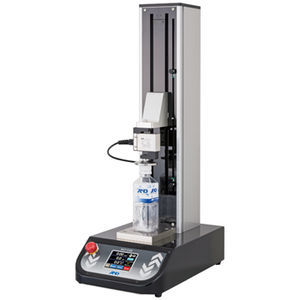
... on startup)
A&D COMPANY, LIMITED
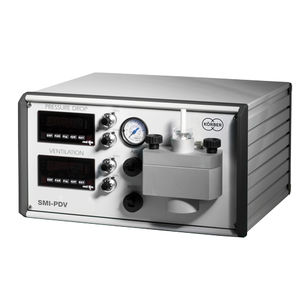

... Quick and easy manual instrument that measures the pressure drop and the ventilation of cigarettes, filter rods, tubes and cigarillos or cigars. Range of interchangeable measuring heads for various diameters available Pressure drop: Complies with ISO ...
Körber Technologies GmbH
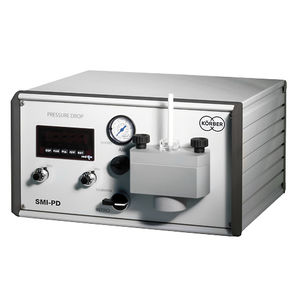
... Quick and easy manual instrument that measures the pressure drop of cigarettes, filter rods, tubes and cigarillos or cigars. - Range of interchangeable measuring heads for various diameters available - Complies with ISO 6565 and CRM 41 standards ...
Körber Technologies GmbH
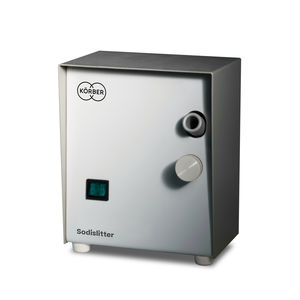
... Slit open cigarette fed manaully. Prepare samples for analysis. No damage to the tobacco. ...
Körber Technologies GmbH


... installed base all around the globe, Waygate Technologies is a trusted partner in aerospace material testing. Many customers operate multiple machines, having placed their trust in RokStar for decades. The system is well ...
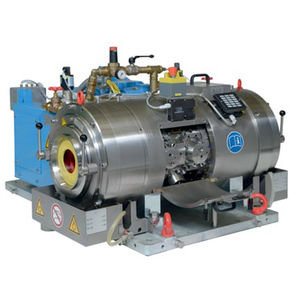
... high-speed full-body tube tester with rotating ultrasonic probes for seamless and electrical resistance welded (ERW) tubes. Krautkrämer ROT comes in a compact package and is designed to be integrated into the production line ...
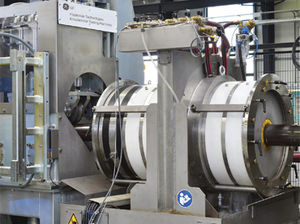
... The Krautkrämer ROWA-WT is a compact phased array ultrasonic testing machine for seamless OCTG and ERW tubes and is designed for direct integration into the production line. The test functionality comprises online ...


... accelerate fatigue studies for a variety of materials, subcomponents and complete devices. With the capability of simultaneously testing up to 16 specimens at up to 100 Hz, users can generate S/N curves faster and with higher statistical ...
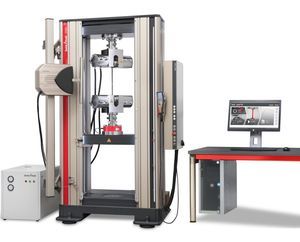

... ul>
Floor-standing testing machine vs. table-top testing machine
- Table-top
ZwickRoell GmbH & Co. KG

... Flexure test Applications • - Universal testing applications in a small force range Powerful, flexible, cost-effective testing solution for all your testing requirements The zwickiLine testing ...
ZwickRoell GmbH & Co. KG
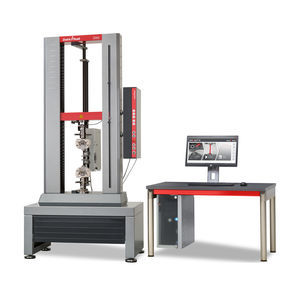
... ProLine is the ideal testing machine for function tests on components and standard tests on materials. Combined with ZwickRoell's intuitive testing software the ProLine materials testing ...
ZwickRoell GmbH & Co. KG
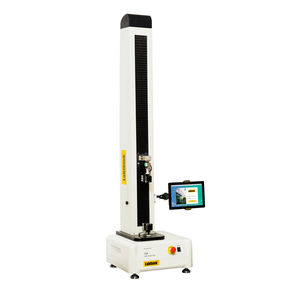

... C610H Auto Tensile Tester is newly designed and lanuched by Labthink. Compared with the other tensile tester, C610H Auto Tensile Tester is designed with more test modes and high accuracy. Applications -- plastic ...
Labthink Instruments Co., Ltd.
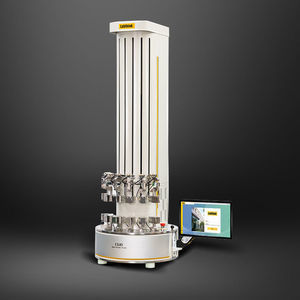
... /p>
Testing items covers professional testing items for flexible packaging materials, including tensile strength, peeling,tearing, heat sealing and elongation-to-tension testing, etc.
Grip spacing
...Labthink Instruments Co., Ltd.

...
C610M Auto Tensile Tester / Tensile Testing Machine is professionally applicable to measurement of tensile, peeling, deformation, tearing, heat sealing, adhesive, puncture force, opening
...Labthink Instruments Co., Ltd.
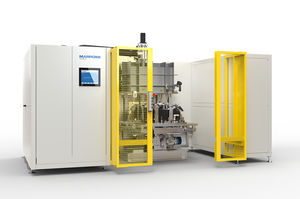

... mass-spectrometer. The machine is provided by a single vacuum chamber, assembled on welded and painted stainless steel frame. Under the vacuum chamber of the machine it is placed a rotary table with 8 stations. On ...


... Our material testing system is designed for precision measurements on very stiff samples with a controlled force range, both static and dynamic, of up to 50 N. The full resolution is available throughout the entire force range, resulting ...
NETZSCH Analyzing & Testing

... available Wide frequency range (option) Wide temperature range (option) Automatic Sample Changer (ASC) for fully automatic testing (24h) (option) Simultaneous measurement of the visco-elastic properties (option) Visco-elastic properties ...
NETZSCH Analyzing & Testing
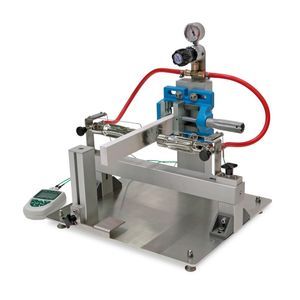
... Thermocouples NiCrNi
NETZSCH Analyzing & Testing
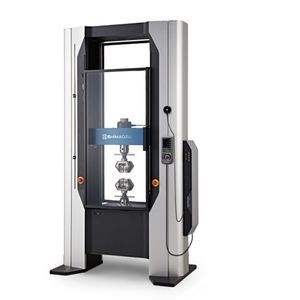

... Overview
The AGX-V2 Series universal
testing
machines from Shimadzu combine long experience in materials
testing with advanced control and high-precision measurement. Available as floor-standing ...
Shimadzu France
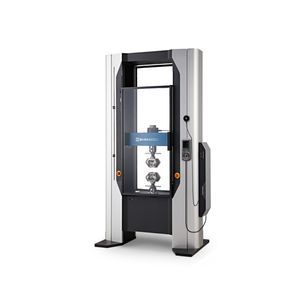

... instruments that provide the highest level of test results. To this end, we created the AGX-V2, the highest class of testing machine in the industry. It features a high rigidity frame; multi processors, high-speed sampling ...
Shimadzu France
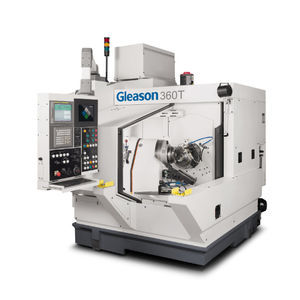

... State of the art CNC-controlled roll testing of just about any gearset type is now possible with the ground-breaking Gleason 360T Universal Gear Tester. Workpiece diameter, max.450 mm Pinion speed, max.3000 rpm Highly Versatile The ...
Gleason


... to Total Testing Connecting to Uster Quality Expert is the route to preventive process optimization. Yarn testing at the laboratory provides everything needed to control quality and ensures it always meets customer requirements. ...
USTER TECHNOLOGIES


... -Sep-24): Added support for CS2Plus and LSPlus
machines.
Typical applications and test types
- Tensile testing
- Compression testing
- Peel and adhesion testing
- Spring
AMETEK Test
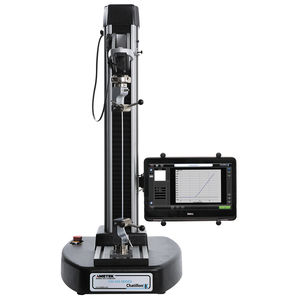
... Tensile (pull) testing
Programmable ...
AMETEK Test

... The LS materials testing machines from Lloyd Instruments are easy-to-use universal testing machines ideal for materials testing up to 5 kN (1124 lbf). The machines ...
AMETEK Test
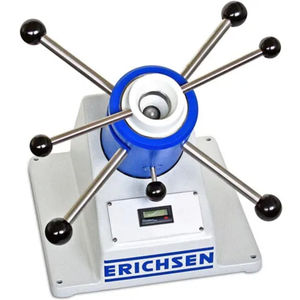

... manually operated Erichsen cupping machine for evaluating sheet and foil formability using the standardized Erichsen cupping test. It is designed for simple, low-effort operation and is suitable for limited in‑factory testing ...
ERICHSEN GmbH & Co. KG
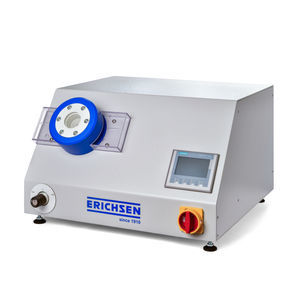
... Product Overview
The Electro-hydraulic Erichsen cupping
machine – Model 111 is an electronically controlled sheet metal
testing
machine with an electro-hydraulic drive and a maximum ...
ERICHSEN GmbH & Co. KG
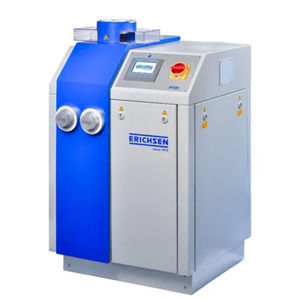
... Electro-hydraulic Erichsen cupping machine – Model 102 is a sheet metal testing machine designed for Erichsen cupping and bore expanding tests, capable of applying up to 60 kN (102-60) / 80 kN (102-80) ...
ERICHSEN GmbH & Co. KG
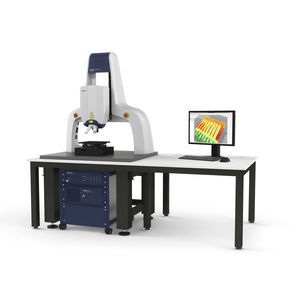

... MICROSTRUCTURES This full optical workstation allows surface topography and dynamic motion analysis for quality control, testing and development of microstructures and MEMS devices (micro-electro-mechanical systems). The 3D visualization ...


... The machine is suitable for 3,4-points bending test of tempered glass,and also tensile,compression, Flexural, peel, shear, tear, bursting, fatigue tests for wire ,metal foil, sheet metal and metal tape, rubber, plastic, air/sea foam, ...
Sanwood Technology

... This UTM are suitable for the testing of tensile, compression, shearing force, adhesion, peeling force, tear strength, fatigue etc for semi-product & finished product in the field of rubber, plastic, metal, nylon, non-woven fabrics, textile, ...
Sanwood Technology

... Typical applications - Tape/Adhesive parts peeling test at 90 degree Metal plate/rod/pipe strength test Rubber/plastic tensile test Metal/plastic benging test Wire/sheet tensile/compression/tearing/benging test Scope - tape, automobile, ceramic, composite ...
Sanwood Technology
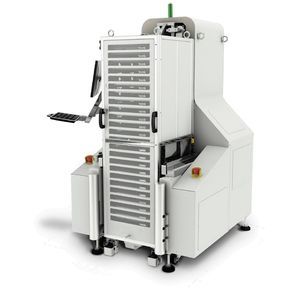

... solution from Cosmic is a rack‑based, eco‑efficient alternative to traditional burn‑in ovens. Designed for high‑density device testing, the platform pairs a Burn‑In System (BIS) with racks featuring 24 internal slots (each slot can host ...


... Price FOB, CIF Description: This Peel Testing Equipmentcan do tensile test, tear test, peel test, bond test with different clamps for yarn,paper, tape, film,rubber and other kind of materials. unversal test equipment ...
HAIDA EQUIPMENT CO., LTD

... powerful system function. universal test machine can do tensile test, tear test, peel test, bond test with different clamps for metal,wire,steel,cable,plastic and other kind of materials. This universal test ...
HAIDA EQUIPMENT CO., LTD

... compression of all kinds of materials, semi-finished products and finished products Adhesive tape Tensile Test Equipment working principle: Testing machine loading force sensor generates electrical ...
HAIDA EQUIPMENT CO., LTD
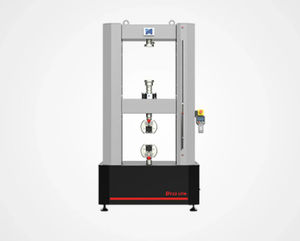

... DF-23 High-Force UTM DF series floor models provide up to 1000kN capacity available in standard, exra height/width, and tall base options. ▪Capacity: DF23.105D:100kN DF23.305D:300kN DF23.605D:600kN ...
SINOTEST
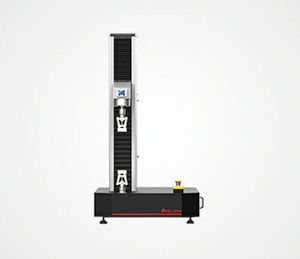
... DF-21 Low-Force UTM DF series single column UTM, provide up to 5kN capacity available in standard and extra height options ▪Capacity: DF21.502D:500N DF21.103D:1000N DF21.503D:5000N ▪Single column ▪Table ...
SINOTEST
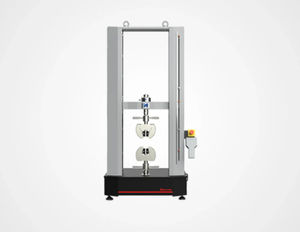
... DF-22 Mid-Force UTM DF series dual column table models provide up to 50kN capacity available in standard and extra height/width options. ▪Capacity: DF22.104D:10kN DF22.204D:20kN DF22.504D:50kN ▪Dual column ▪Table ...
SINOTEST
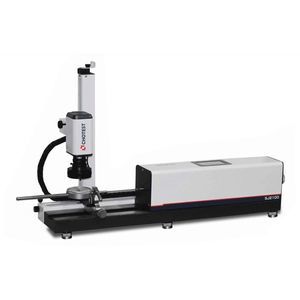

... digital display automatically. 3. Measure the above objects with imperial system automatically. 4. Semi-auto testing function, which is for testing dial indicators with stains. 5. Automatic zeroing after click Start. 6. ...
Chotest Technology Inc.
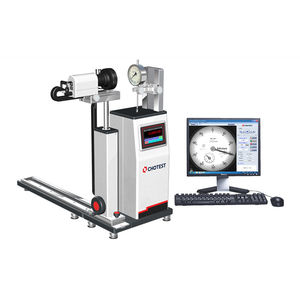
... digital display automatically. 3. Measure the above objects with imperial system automatically. 4. Semi-auto testing function, which is for testing dial indicators with stains. 5. Automatic zeroing after click Start. 6. ...
Chotest Technology Inc.
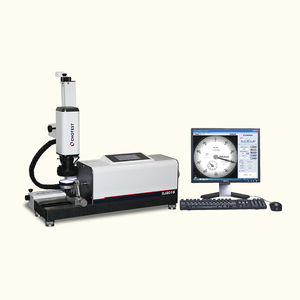
... digital display automatically. 3. Measure the above objects with imperial system automatically. 4. Semi-auto testing function, which is for testing dial indicators with stains. 5. Automatic zeroing after click Start. 6. ...
Chotest Technology Inc.


... The 6800 Series single column universal testing machines are designed to perform tensile, compression, flex, peel, puncture, friction, shear tests, and more. The systems are compatible with hundreds of grips and fixtures ...
Instron

... The 6800 Series universal testing machines are designed to perform tensile, compression, flex, peel, puncture, friction, shear tests, and more. The systems are compatible with hundreds of grips and fixtures found in Instron’s ...
Instron

... Universal Testing Systems for Tensile, Compression, and Flexure Testing The 3400 Series Universal Testing Machines range in capacity from 500 N to 50 kN and are designed to meet all ...
Instron


... With our pull tester you can now do the quality tests by yourself. This machine impresses by enormous testing distance of 500mm and is used within its case. Lubrication-free and only view service need ...
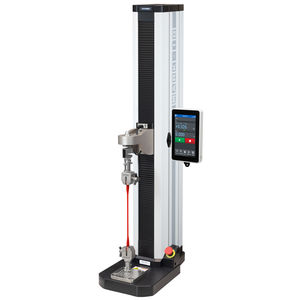

... engineered to perform a wide range of tension and compression tests, including break testing, cycling, limit testing to a load or distance, load holding, average force testing, and more. Set up and ...
Mark-10
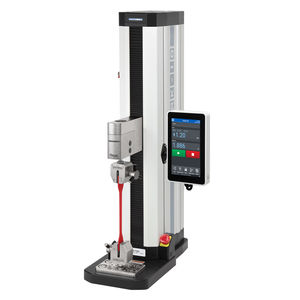
... engineered to perform a wide range of tension and compression tests, including break testing, cycling, limit testing to a load or distance, load holding, average force testing, and more. Set up and run ...
Mark-10
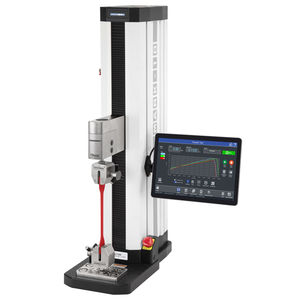
... This family of force testers is designed for tension and compression force testing applications, with force capacities up to 500 lbF (2.2 kN). Select from vertical or horizontal orientations, along with a broad range ...
Mark-10


... materials testing requirements the twin-column OmniTest universal testing machine range is available in 3 models, 10 kN, 25 kN and 50 kN. These versatile universal testing systems ...

... Mecmesin’s range of single-column bench-top OmniTest universal testing machines (UTMs) is designed for tensile and compression testing of materials, products and components. The OmniTest enables the ...

... motorised force tester offering outstanding value. Designed for precision-controlled compression and tension testing the MultiTest-dV’s simple controls, backed by sophisticated electronics, make it the ideal choice for ...
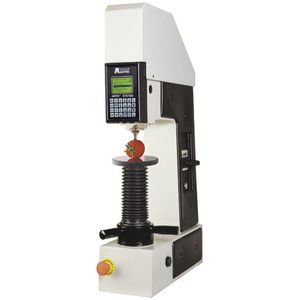

... BRINELL HBTW Real testing machine for compression and traction. It is fully motorized with closed loop load cell and can adapt to receive different clamping accessories for tensile, compression and breaking test. ...
the best suppliers